
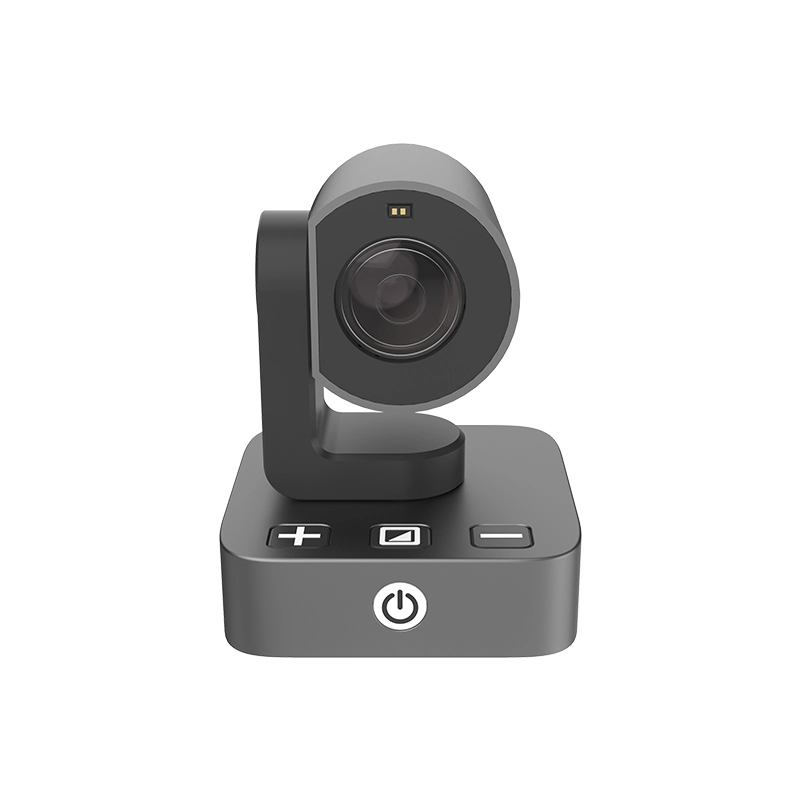









Low Vision Aids for Macular Degeneration: Regain Clear Sight for Daily Tasks


Low Vision Aids for Macular Degeneration: Your Guide to Clearer Daily Vision
Age-related macular degeneration (AMD) is one of the leading causes of vision loss among seniors in the U.S., robbing millions of the ability to see fine details needed for daily tasks. For AMD patients, simple actions like reading a doctor’s prescription, watching a favorite TV show, or recognizing a street sign can turn into frustrating challenges. The good news is that low vision aids for macular degeneration are designed to bridge this gap, restoring functional vision and helping users maintain independence. This guide breaks down common AMD symptoms, how low vision devices address them, scenario-based product selection, and top Zoomax tools tailored for different daily needs—whether you’re an AMD patient, a caring family member, or an optometrist seeking reliable recommendations.
What Macular Degeneration Symptoms Disrupt Daily Vision?
Macular degeneration targets the macula, the part of the retina responsible for sharp central vision. As the condition progresses, patients notice distinct changes that impact reading, screen viewing, and object recognition.
When reading, AMD patients often see blurry or distorted text. Lines on a page may appear wavy, and small print—like on medication bottles or grocery receipts—becomes nearly unreadable. Eye strain sets in quickly, even with good lighting. For TV and digital device viewing, faces on screen may fade into the background, and colors can look washed out. Prolonged watching leads to fatigue, making it hard to enjoy movies or video calls with loved ones.
In daily life, recognizing objects also gets harder. Bus stop names blend into signs, price tags at the supermarket are illegible, and even distinguishing between spices in the kitchen becomes a chore. These symptoms don’t just limit vision—they chip away at independence.
Fortunately, targeted low vision tools can mitigate these struggles effectively.
How Low Vision Aids for Macular Degeneration Improve Daily Sight
Low vision aids for macular degeneration work by enhancing what the eye can no longer do on its own, focusing on magnification, contrast, and accessibility features.
First, magnification technology enlarges small text and details to a visible size, eliminating the need to squint or hold items inches from the face. Many devices also offer adjustable magnification levels, so users can customize settings for different tasks.
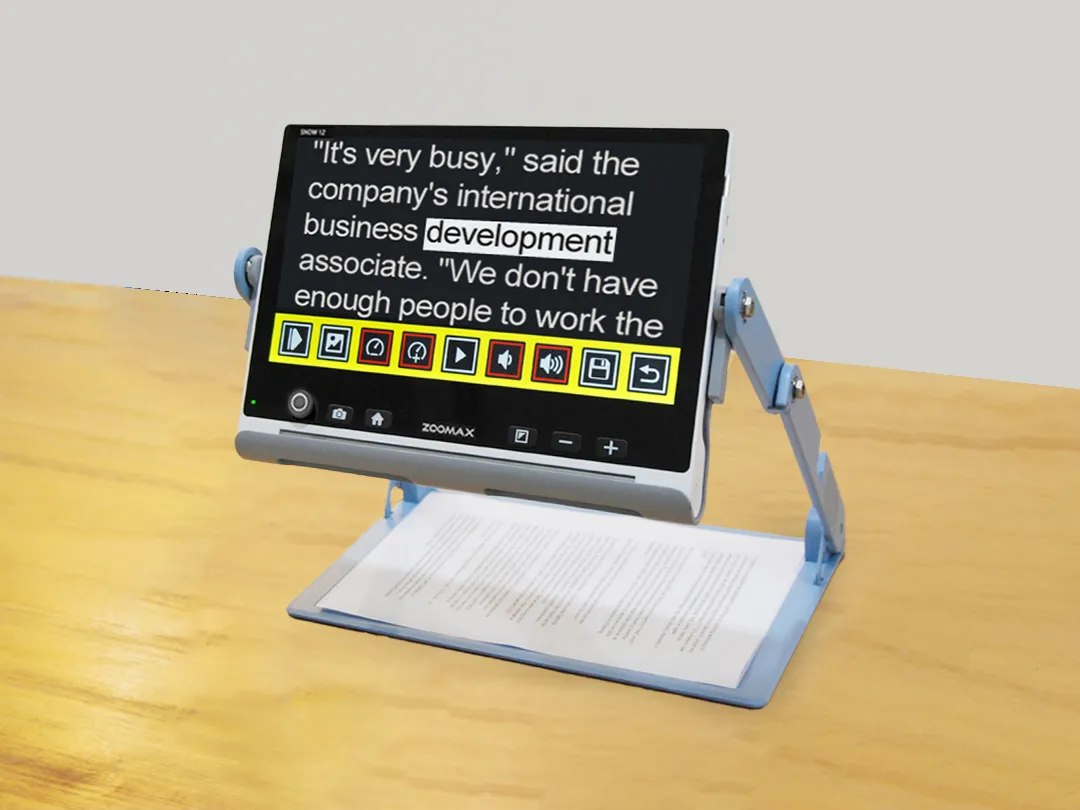 Second, high-contrast displays make text pop against backgrounds, reducing eye strain for aging eyes sensitive to glare. This is a game-changer for reading in low-light environments like restaurants or buses.
Third, portable designs mean users can take their aids anywhere—from the pharmacy to the grocery store.
Finally, advanced features like OCR (optical character recognition) and text-to-speech turn written words into audio, letting users “read” hands-free when their eyes need a break.
These tools don’t cure AMD, but they empower users to reclaim control over daily tasks.
The Best Low Vision Devices for AMD: Choose by Usage Scenario
Selecting the right device boils down to matching it with your daily activities. Below are Zoomax’s top solutions for common AMD-related vision challenges, tailored to specific use cases.
1. Shopping & Home Use: Zoomax Luna 6
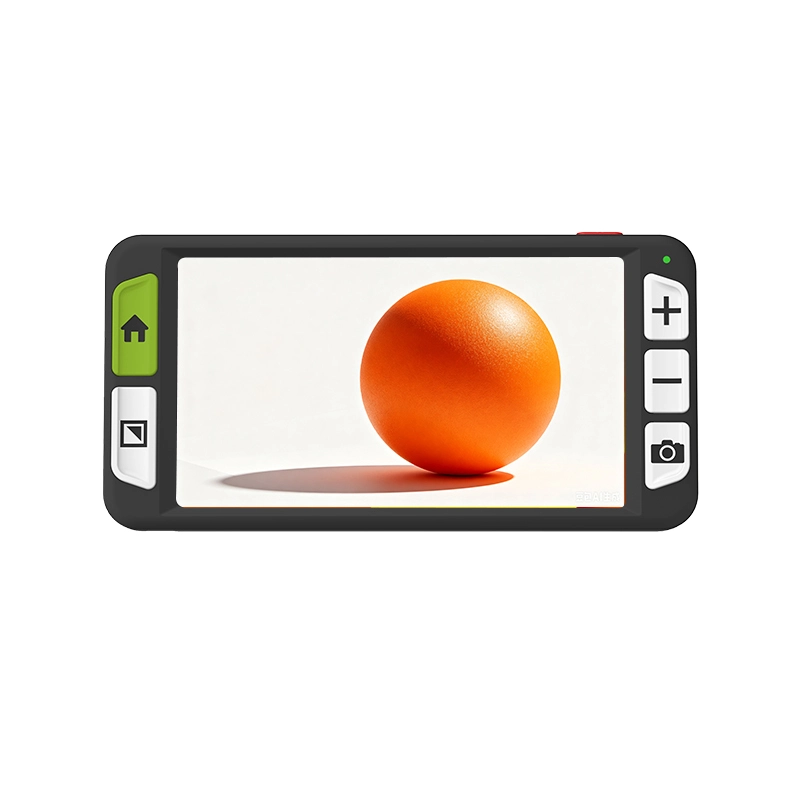
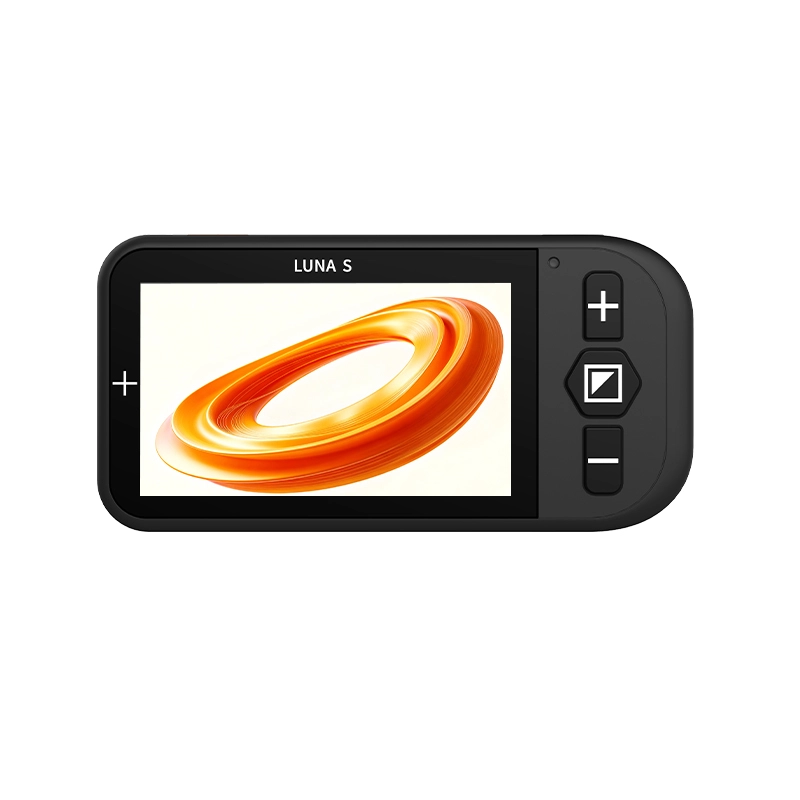
For seniors and AMD patients who value on-the-go independence, the Zoomax Luna 6 is a standout option in low vision aids for macular degeneration. Its compact, lightweight design fits easily in a purse or pocket, making it perfect for errands and household tasks.
At the pharmacy, it magnifies prescription labels and medication dosage instructions, so users can avoid mistakes and stay safe. At the supermarket, it clarifies price tags, sale flyers, and ingredient lists, letting users shop confidently without asking for help. At home, it reads utility bills and bank statements with crisp clarity. Even on the go, it enlarges bus stop names and street signs, turning confusing commutes into stress-free trips. Luna 6 is the ultimate sidekick for anyone who wants to handle daily tasks independently.

2. TV, Computer & Movie Viewing: Acesight VR
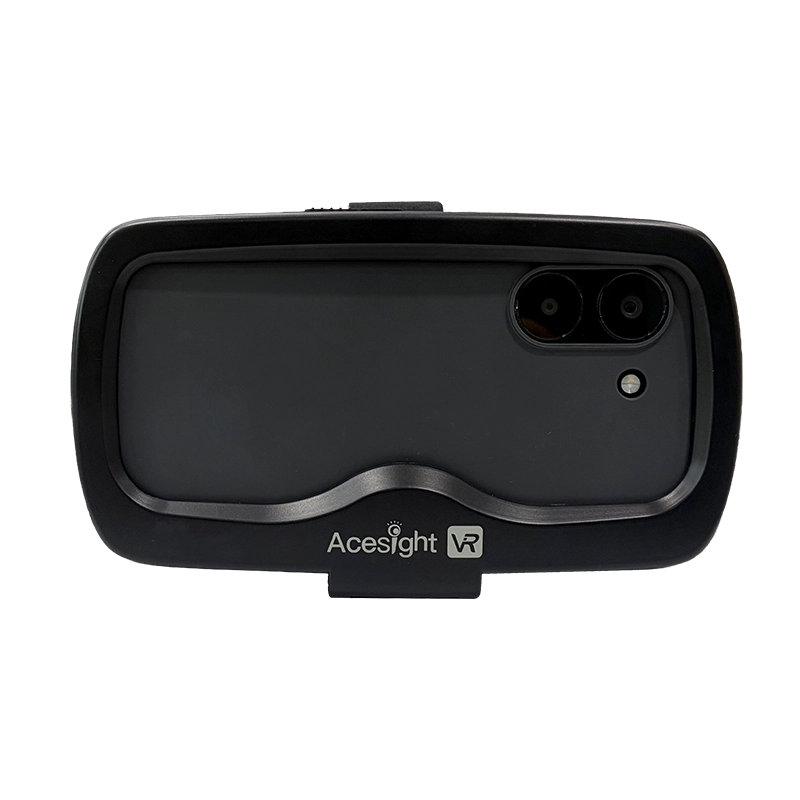
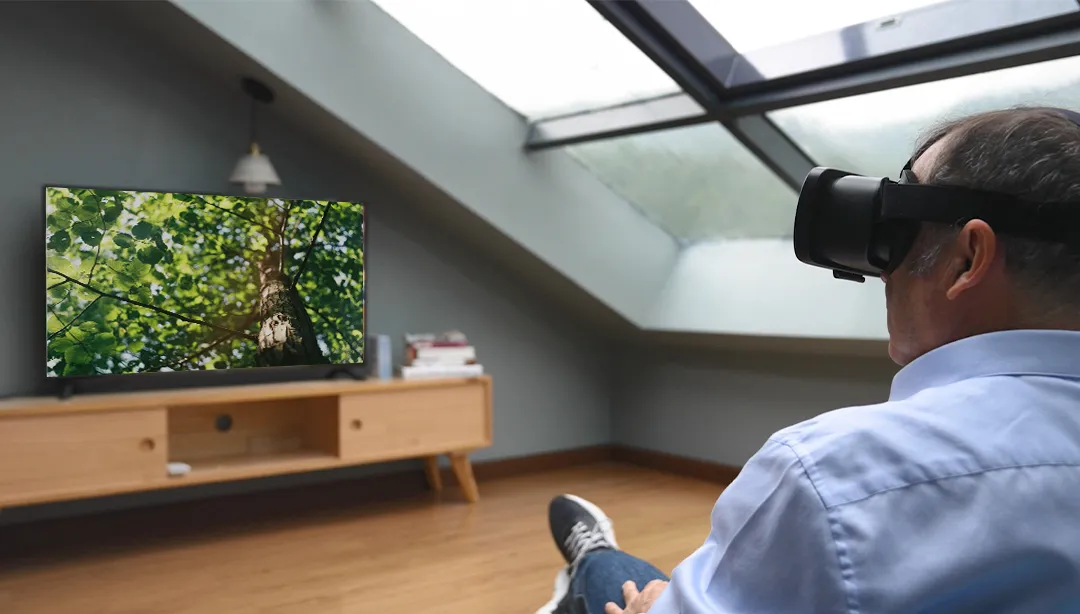
When it comes to enjoying screen time and entertainment, the Acesight VR is a top choice for visual aids for age-related degeneration. This immersive device is engineered to enhance viewing experiences across TVs, computers, smartphones, and even cinema screens.
Unlike traditional magnifiers, Acesight VR uses a head-mounted design that frees up users’ hands, so they can relax on the couch while watching a show or join a video call with grandkids without holding a device. It boosts contrast and sharpens details, making faces on screen clear and colors vibrant. For movie nights out, it adapts to dark cinema environments, letting AMD patients enjoy films with family and friends—an experience many thought they’d lost forever. It also reduces eye fatigue during long viewing sessions, a critical benefit for seniors with sensitive eyes.
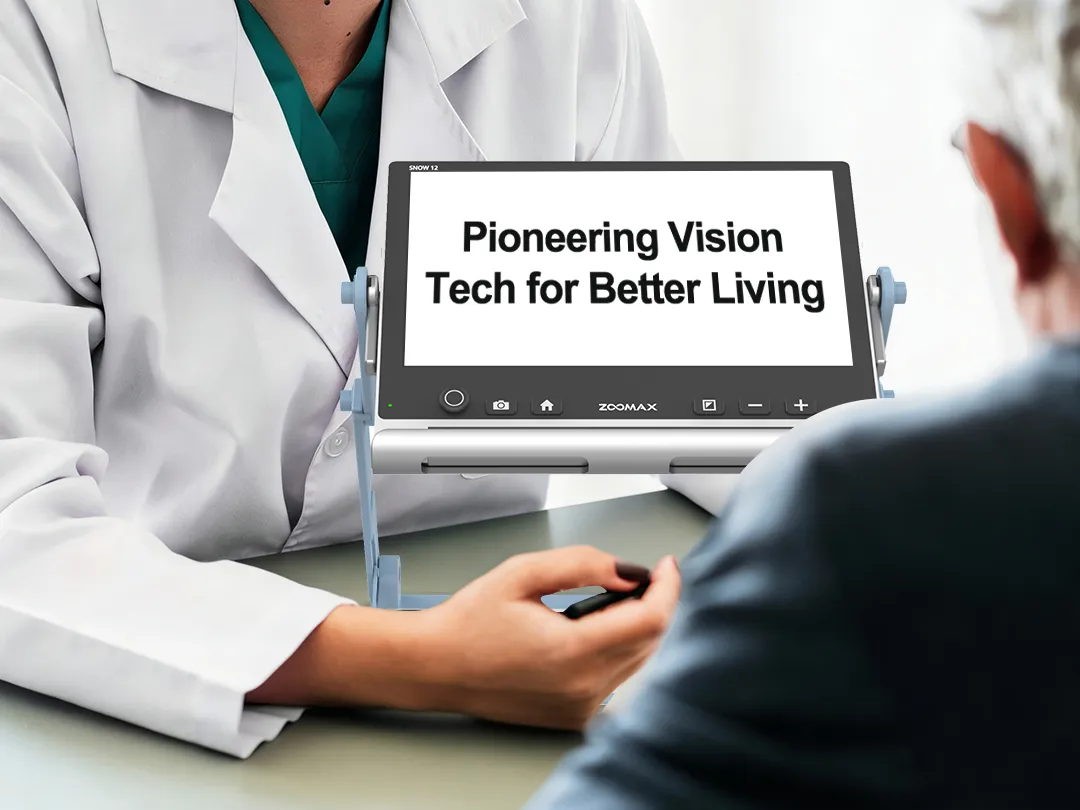
3. Writing, Note-Taking & Crafting: Zoomax Snow 12
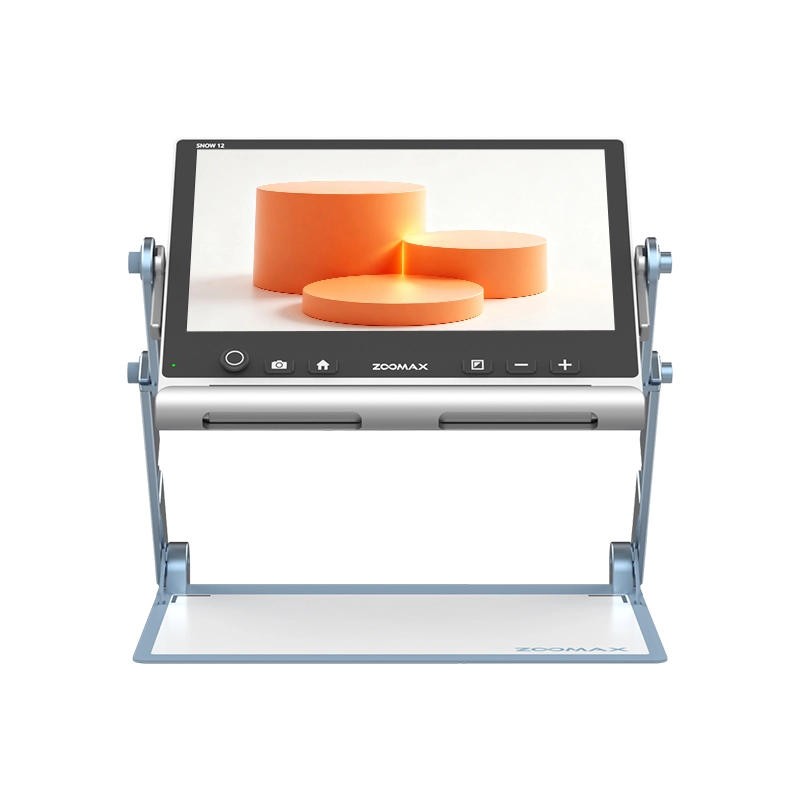
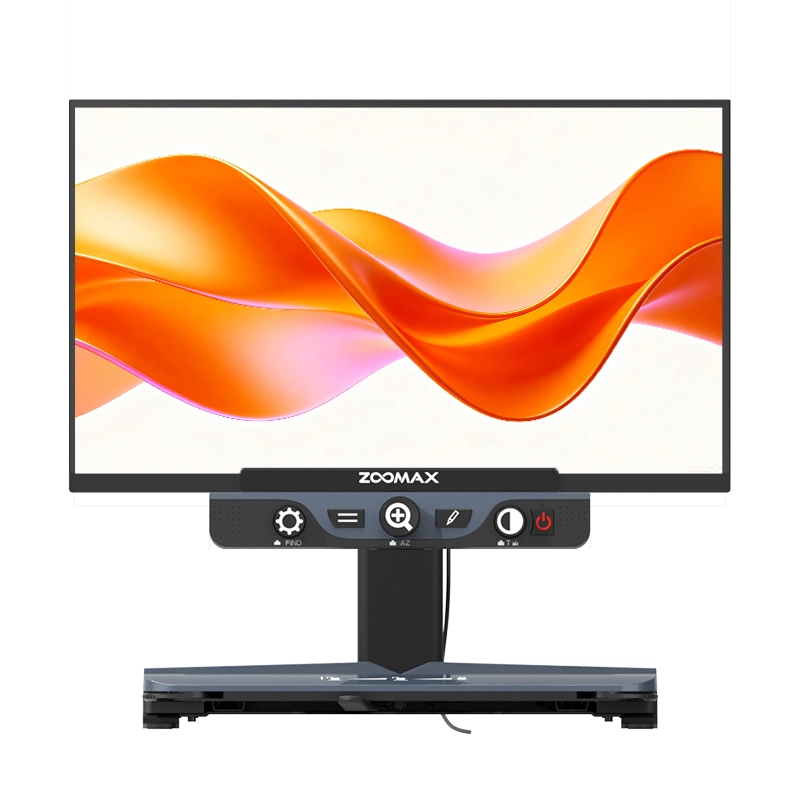
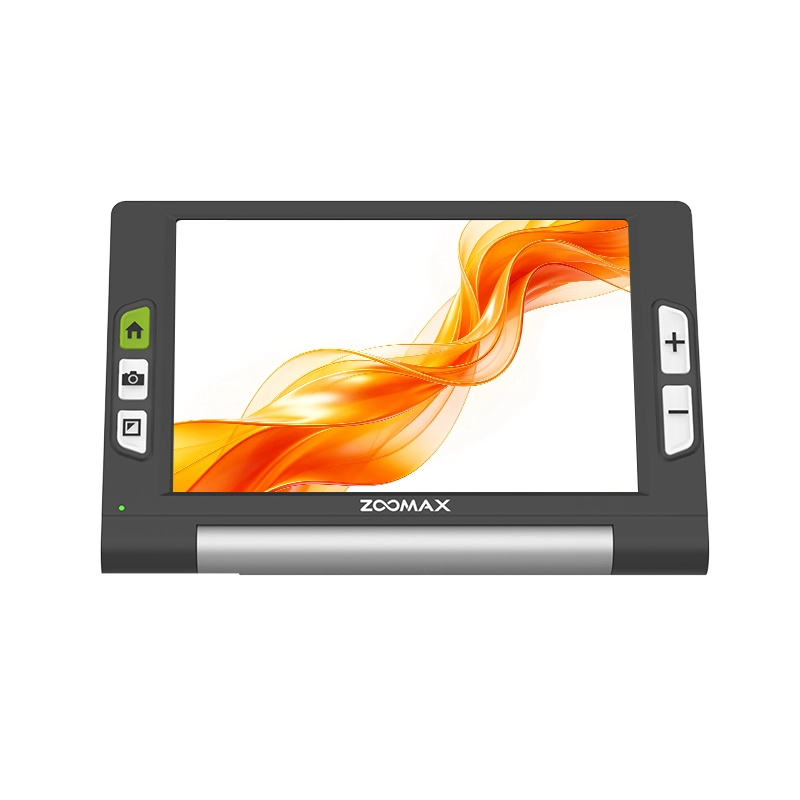
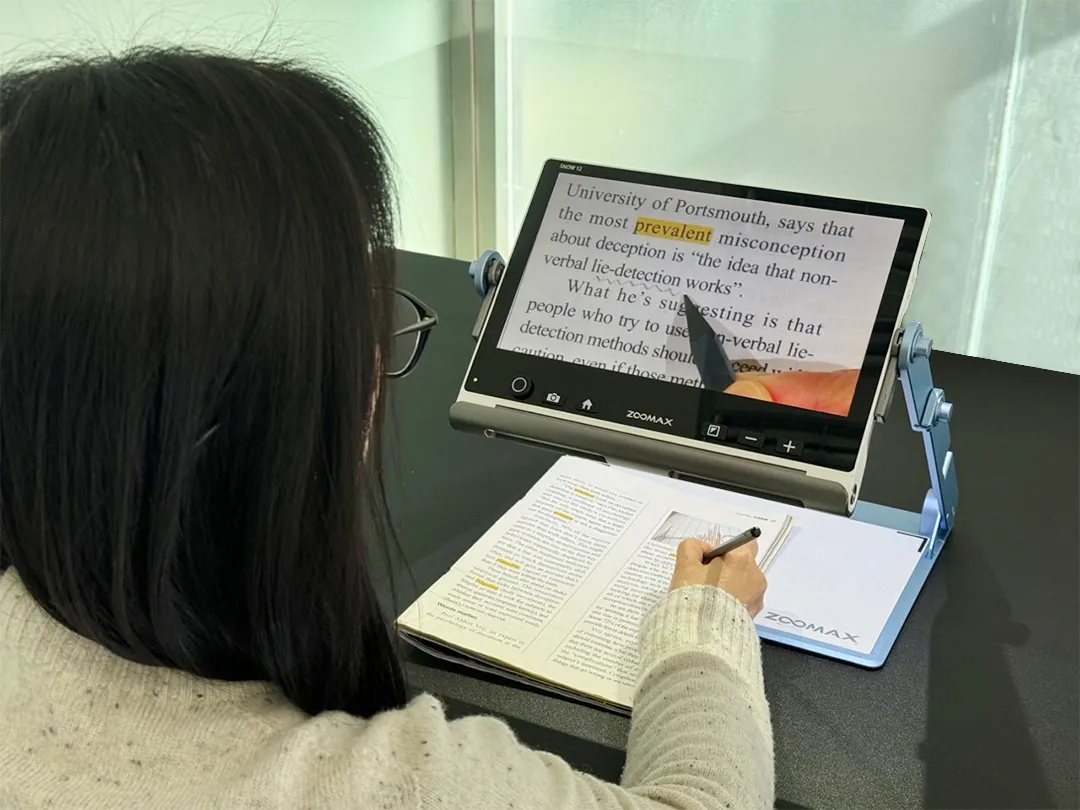
For AMD patients who love writing greeting cards, taking reading notes, or doing small crafts, the Zoomax Snow 12 is one of the best reading aids for macular degeneration on the market. Its flat, portable design works like a digital magnifying glass for hands-on tasks.
When writing, it magnifies the page in real time, so users can see their pen strokes clearly and avoid smudges or mistakes. For reading, it offers adjustable magnification and high contrast, and its built-in OCR/text-to-speech feature converts printed text to audio. This lets users listen to books instead of straining their eyes, making it easier to finish a favorite novel or stay updated on news. It’s also ideal for small crafts, like sorting buttons or threading needles, turning hobbies back into enjoyable pastimes.
How Optometrists Can Recommend the Best Low Vision Devices for AMD
Optometrists play a key role in helping AMD patients find the right low vision solutions. As eye care experts, they can assess a patient’s specific vision loss patterns, from central vision blurriness to contrast sensitivity issues. (Click here to read low vision rehabilitation guidelines.)
They can also collaborate with brands like Zoomax to match devices to patients’ lifestyles. For example, a patient who shops frequently would benefit from Luna 6, while someone who loves movies would thrive with Acesight VR. Optometrists can also provide guidance on proper device usage, adjusting settings for maximum comfort, and integrating aids into daily routines. By partnering with low vision specialists and device manufacturers, optometrists can help AMD patients make informed choices that boost their quality of life.
Final Thoughts on Low Vision Aids for Macular Degeneration
AMD doesn’t have to mean giving up on the activities you love. Low vision aids for macular degeneration are powerful tools that turn frustration into confidence, letting users read prescriptions, watch TV, write notes, and shop independently. Zoomax’s Luna 6, Acesight VR, and Snow 12 are tailored to real-life needs, ensuring there’s a solution for every daily task. Whether you’re an AMD patient, a family member looking for support, or an optometrist seeking trusted recommendations, these devices offer a path to clearer, more independent living. Don’t let vision loss hold you back—explore Zoomax’s low vision aids today.
FAQ
Q1: Can low vision aids for macular degeneration increase the scope of my vision?
No, low vision aids for macular degeneration do not expand your overall field of vision. Instead, they enhance the clarity and magnification of the central vision area you still have access to, making fine details (like text or small objects) visible again for daily tasks.
Q2: Are Zoomax low vision devices covered by insurance?
Coverage varies by insurance provider and plan. Many vision insurance and Medicare Advantage plans include benefits for low vision aids for macular degeneration, especially when recommended by a licensed optometrist. We suggest checking with your insurance carrier directly or consulting your eye care provider to confirm eligibility.
Q3: How long does it take to get used to a head-mounted device like Acesight VR?
Most users adapt to head-mounted low vision devices within 1–3 days of regular use. Start with short 10–15 minute sessions while watching TV, then gradually extend the time as your eyes and posture adjust. The hands-free design makes it intuitive for long-term use once you get comfortable with the fit.
Q4: Can the Zoomax Snow 12’s text-to-speech function work with all printed materials?
The Zoomax Snow 12’s OCR/text-to-speech feature works with most standard printed materials, including books, newspapers, prescription labels, and greeting cards. It may have limited functionality with highly stylized fonts, faded text, or reflective surfaces, but performs reliably with everyday reading materials for AMD patients.
Q5: What should I consider when choosing low vision aids for macular degeneration as a family caregiver?
Focus on the patient’s daily routine and top priorities—if they shop independently often, Luna 6 is ideal; if they love movie nights, Acesight VR is a better fit. Also, prioritize ease of use: look for devices with simple buttons, adjustable settings, and lightweight designs to avoid frustration for seniors with limited dexterity.