









Optometrist for Vision Loss: Your Guide to Support, Exams, and Low Vision Aids


Vision loss (World Health Organization (WHO) Vision Loss Statistics) can chip away at daily independence, making simple tasks like reading a menu or checking a text feel overwhelming. The good news is an optometrist for vision loss is a specialized expert trained to turn these challenges into manageable steps. Vision loss refers to partial or reduced eyesight that cannot be fully corrected with standard glasses or contact lenses. It includes common low vision symptoms that millions of people face daily. This guide breaks down how optometrists support vision loss patients, the tools that boost independence, and how to find the right provider near you.
What Is Vision Loss? Common Signs to Consult an Optometrist for Vision Loss
Vision loss is not a single condition—it is a broad term for reduced visual function that standard corrective lenses cannot fix. It ranges from mild blurriness when reading small print to difficulty recognizing faces across a room. Unlike complete blindness, most people with vision loss retain some usable sight, and the right support can maximize it.
There are clear red flags that signal you need to see an optometrist for vision loss, not just a regular eye care provider. These signs include:
- Struggling to read street signs, medication labels, or menu text without squinting
- Experiencing eye strain after 10–15 minutes of screen time or reading
- Sensitivity to bright lights that disrupts daily activities like driving or shopping
- Trouble distinguishing colors or contrasts, especially in dimly lit spaces
If you notice any of these issues, don’t wait—specialized care makes a tangible difference. Click to find American Optometric Association (AOA) Low Vision Resources.
How an Optometrist for Vision Loss Can Help You
Optometrists who specialize in low vision do more than perform basic eye exams. They take a holistic approach to understand how vision loss impacts your daily life, then tailor solutions to your unique needs.
Specialized Eye Exams for Low Vision
Standard eye exams focus on visual acuity for distance vision, but low vision assessments go deeper. An optometrist for vision loss will run three key tests to diagnose your needs:
✔ Contrast sensitivity evaluations: Measure how well you distinguish between light and dark objects, critical for reading and navigating
✔ Visual field tests: Check for blind spots that may affect mobility or close-up tasks
✔ Near-vision assessments: Gauge your ability to read, write, or use digital devices at typical working distances
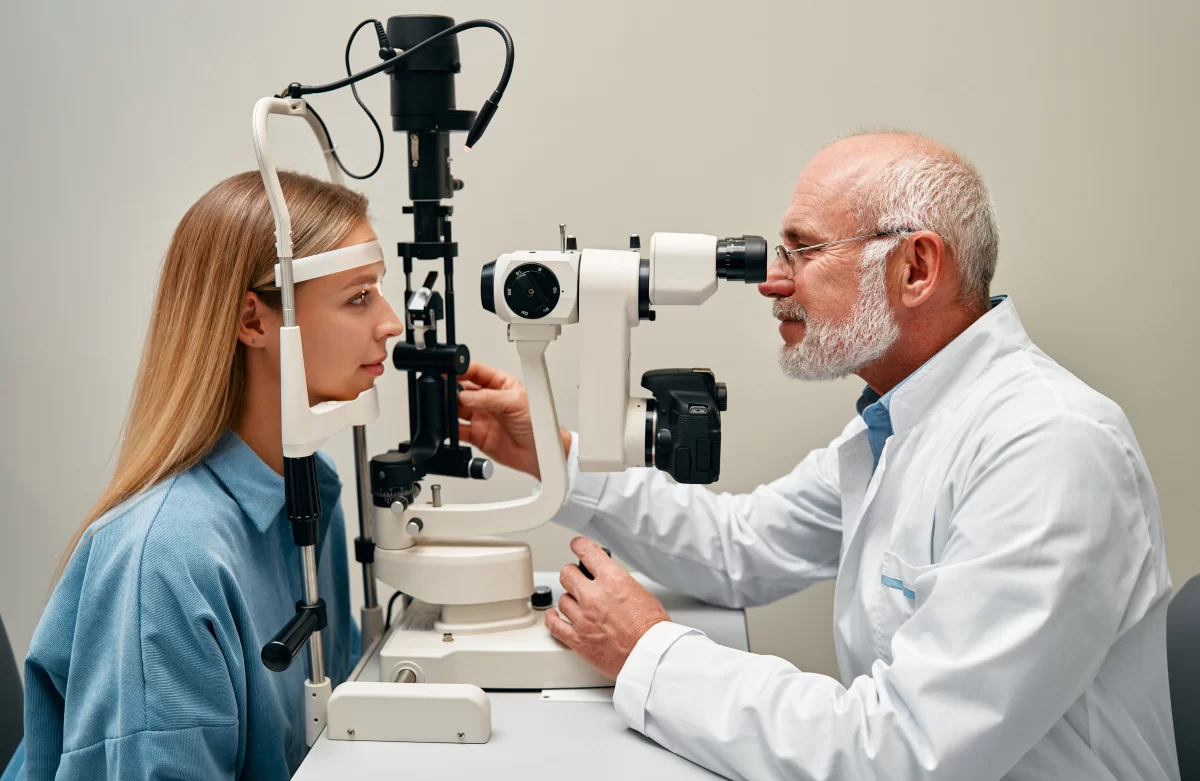
These tests pinpoint the exact type and severity of vision loss, laying the groundwork for effective solutions.
Recommending Custom Low Vision Solutions
After diagnosis, your optometrist will recommend tools that align with your lifestyle. For a student, this might mean a portable magnifier for taking notes in class. For a remote worker, it could be a desktop magnifying aid for long hours of screen work. An optometrist for vision loss knows which devices work best for specific needs, saving you time and frustration from trial-and-error purchases.
Low Vision Digital Magnifiers: Tools to Boost Independence (Curated by an Optometrist for Vision Loss)
Digital magnifiers are game-changers for vision loss patients, empowering them to work, study, and live independently. An optometrist for vision loss can help you select the right type based on your daily routine, as each device serves a distinct purpose.
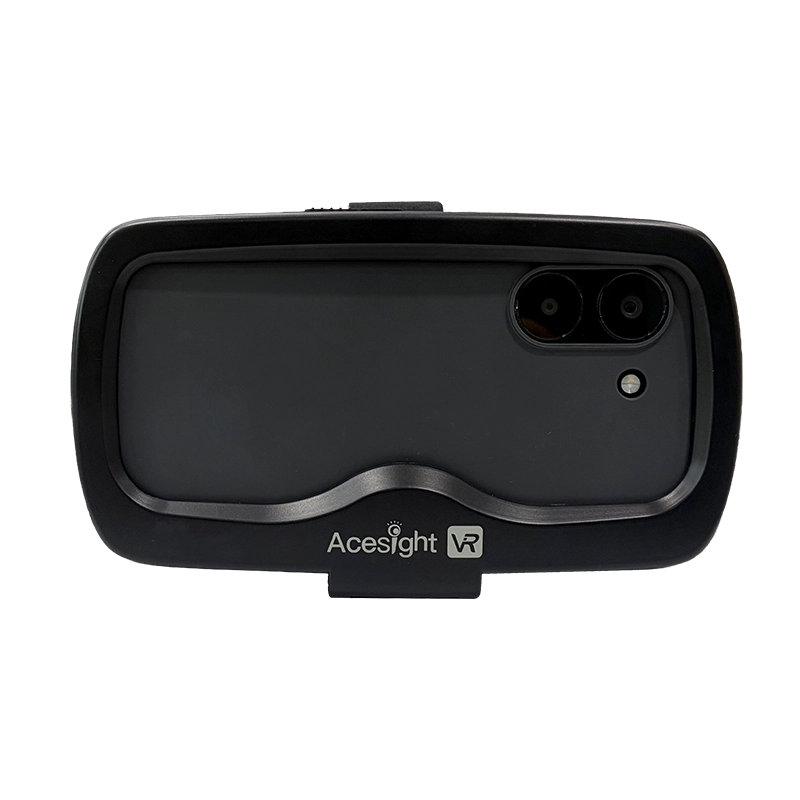
1. Low Vision Glasses – Hands-Free Daily Support
Low vision glasses are hands-free devices ideal for on-the-go tasks. Key benefits include:
- Built-in magnification for near and far vision, no need to hold a separate tool
- Perfect for students writing notes or professionals attending meetings
- Adjustable lenses to match your specific vision loss needs, calibrated by an optometrist

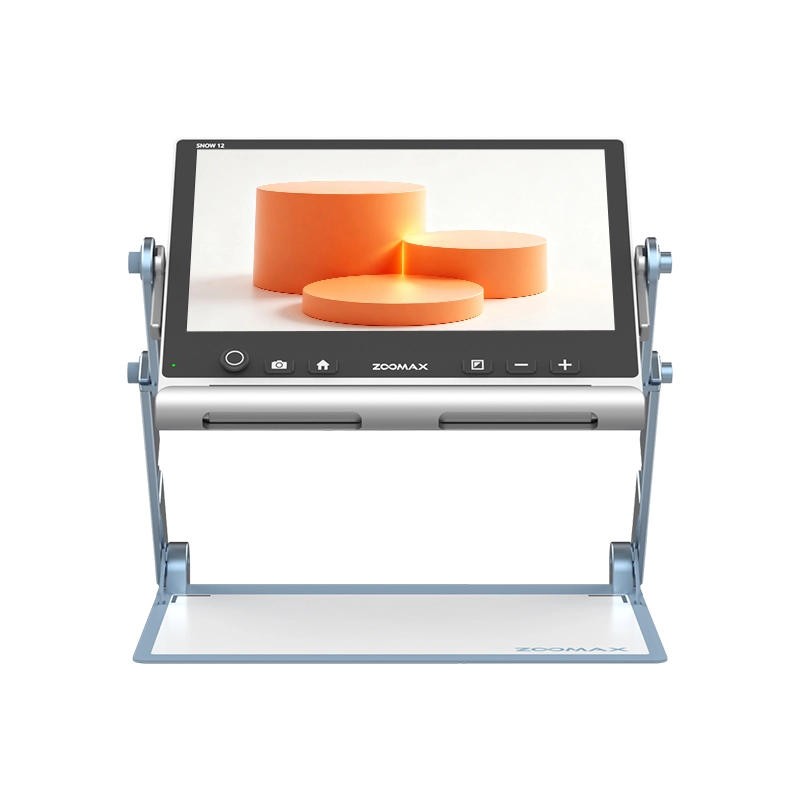
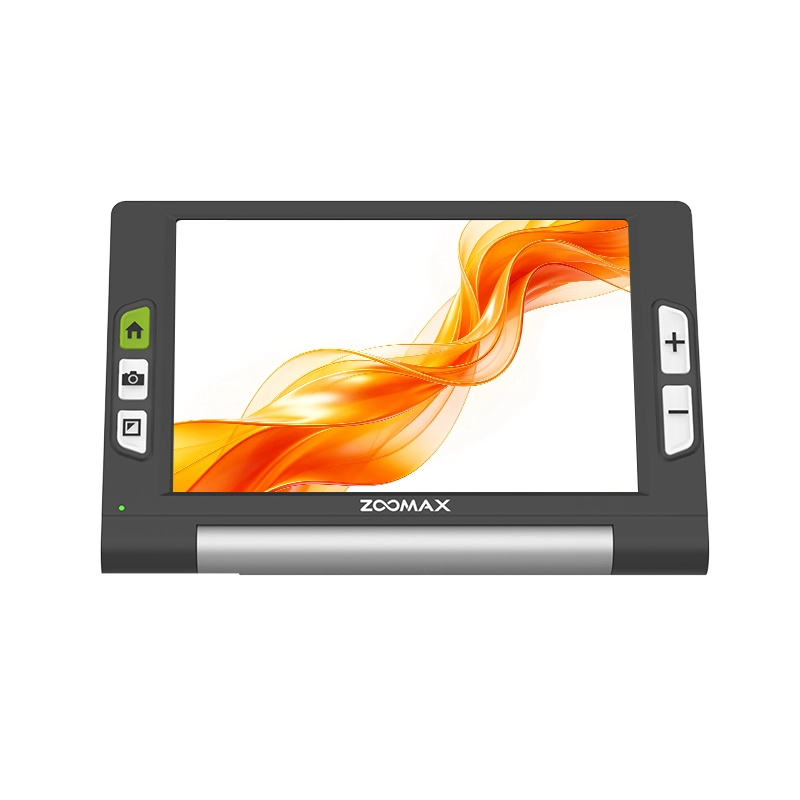
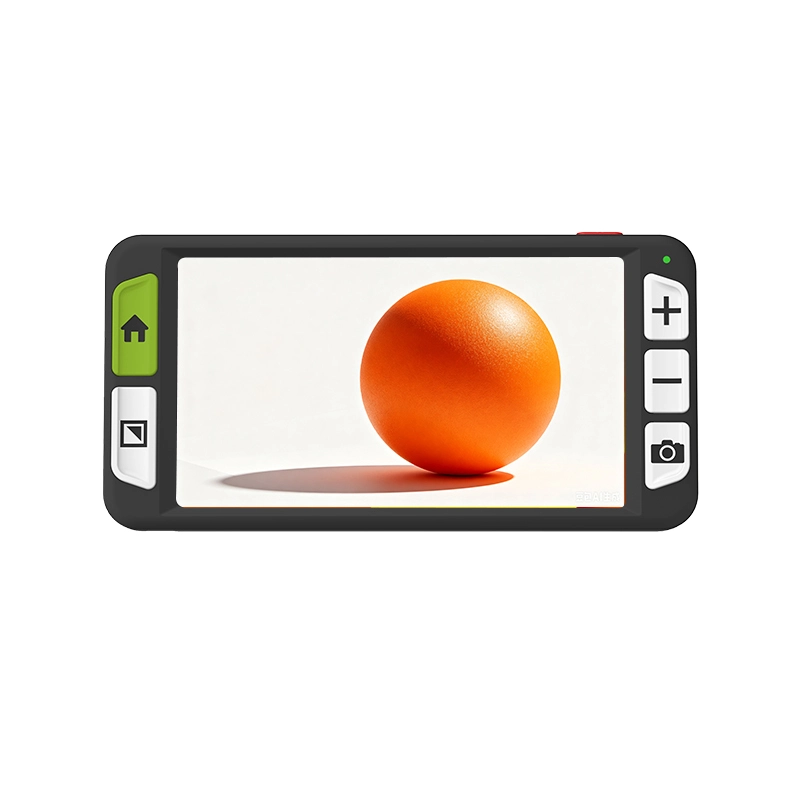
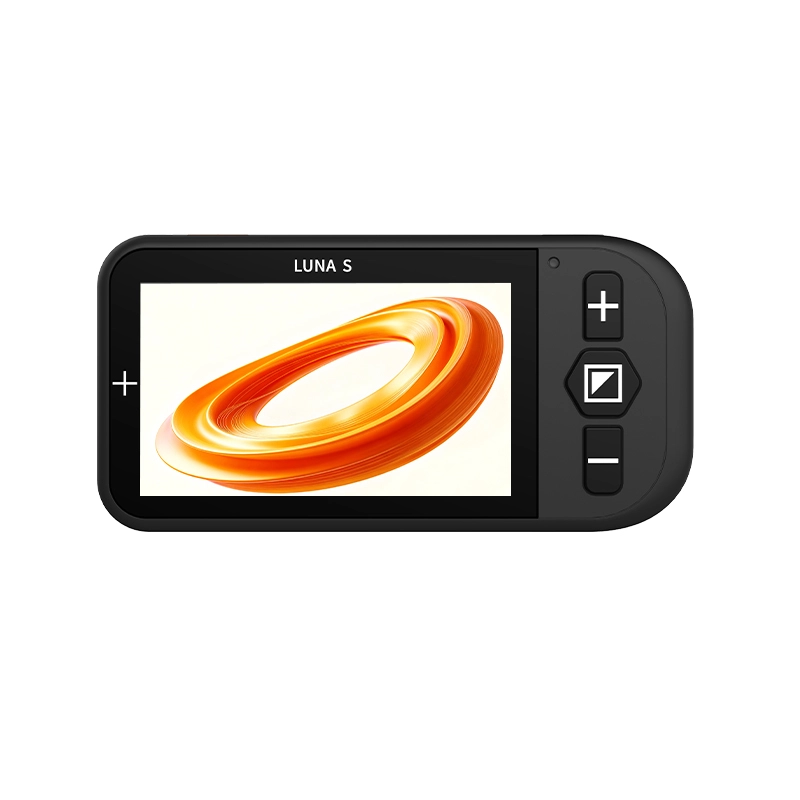
2. Portable Electronic Magnifiers – On-the-Go Convenience
Portable electronic magnifiers are compact, lightweight, and easy to slip into a bag or pocket. Their top advantages are:
- Small, high-resolution screens that zoom in on text, labels, or images
- Essential for shopping trips, travel, or outdoor activities like reading a park map
- Simple one-button controls, making them user-friendly for all ages
Imagine being able to read a grocery store price tag or a train schedule without asking for help—these devices make that possible.
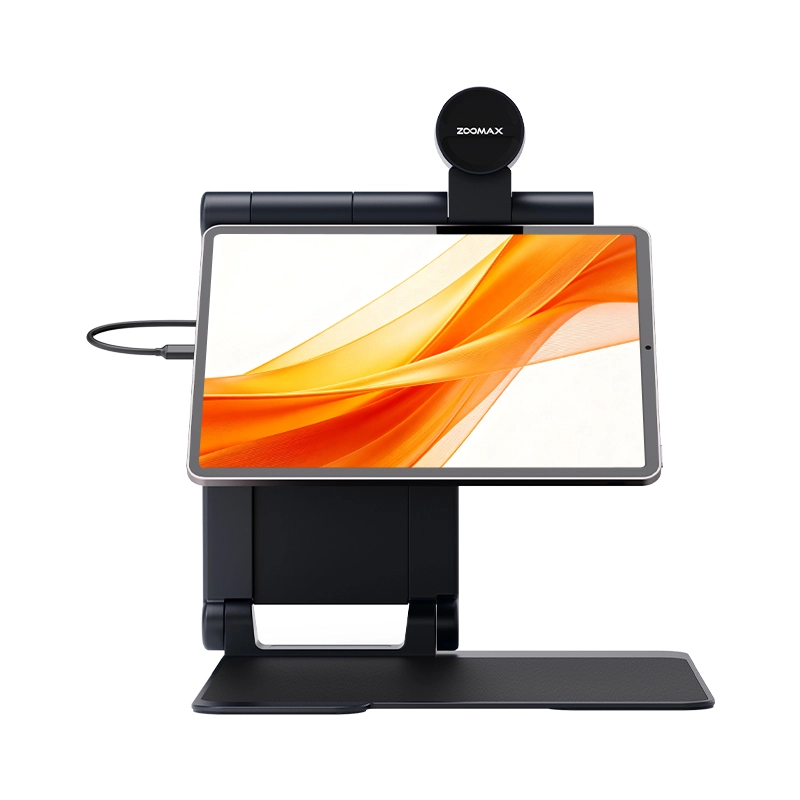
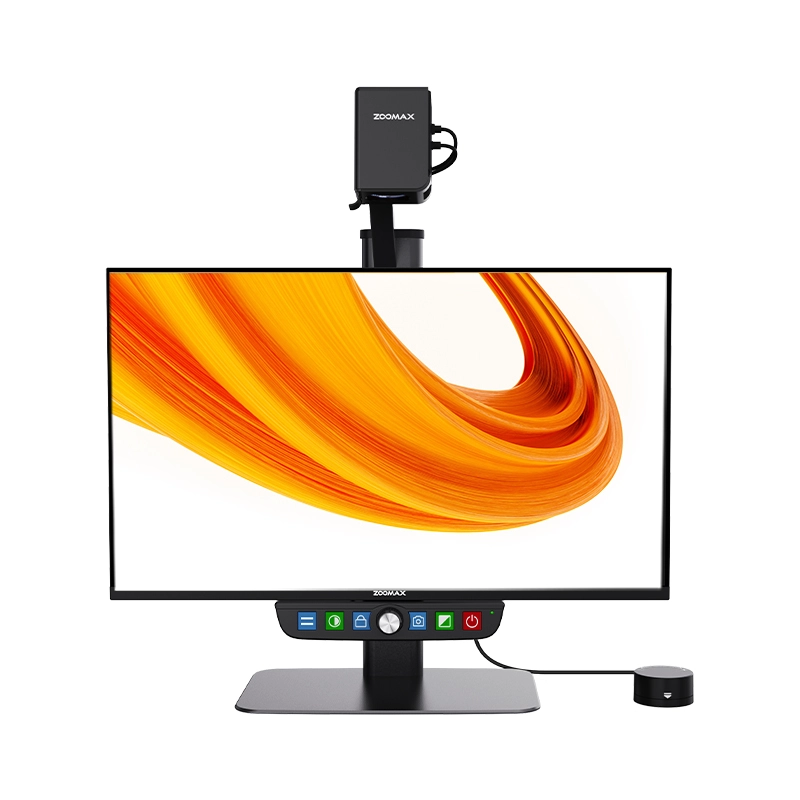
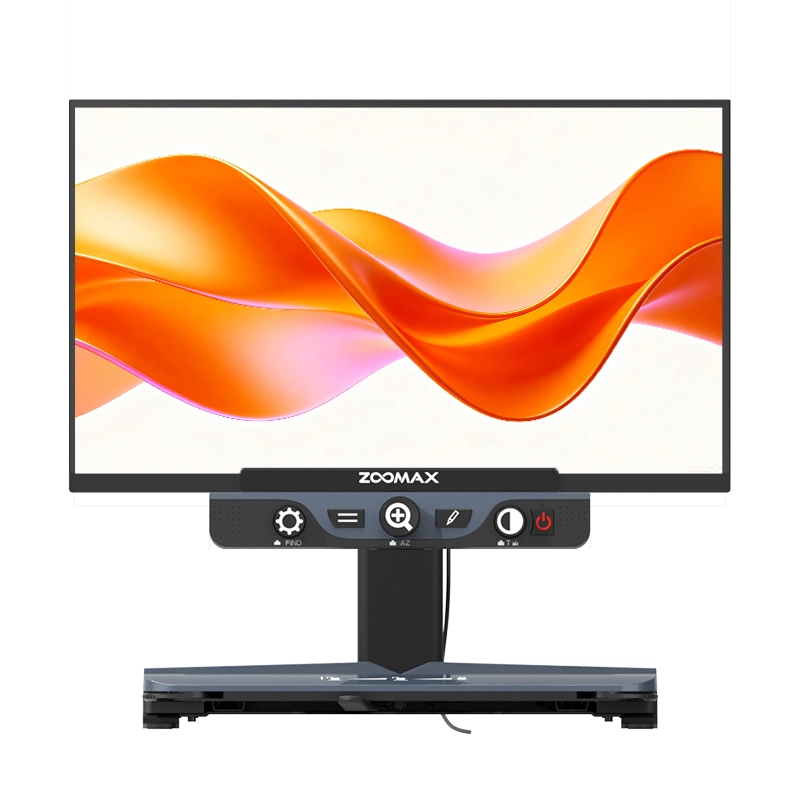
3. Desktop Magnifying Aids – For Home & Office Use
Desktop magnifying aids are larger, more powerful devices built for extended use at home or work. Standout features include:
- Big screens with adjustable brightness and contrast to reduce eye strain
- Stable, hands-free design for long hours of reading, computer work, or crafting
- Some can be compatible with digital devices, letting you magnify laptop or tablet screens
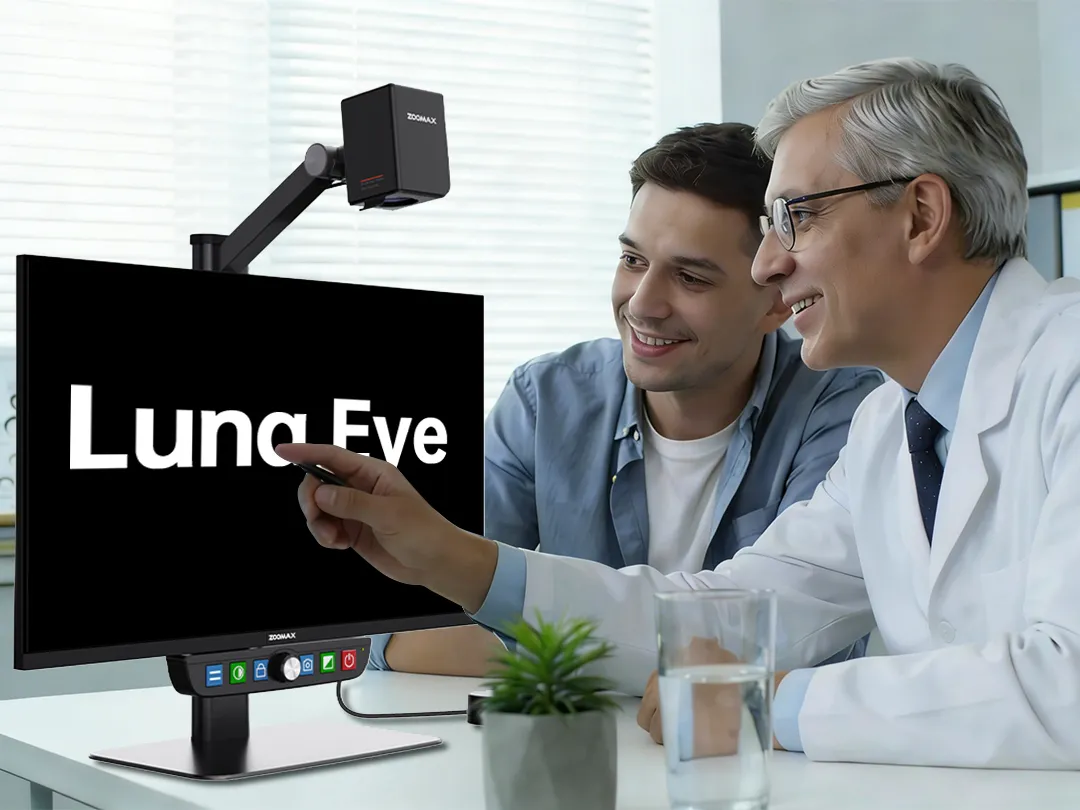
An optometrist for vision loss may recommend them for anyone who spends long hours on close-up tasks.
Trusted Digital Magnifiers from Zoomax USA Online
When it comes to reliable digital magnifiers, Zoomax USA Online stands out for its quality, customer satisfaction, and affordability. The products are trusted by vision loss patients and recommended by optometrists nationwide. What makes Zoomax USA a top choice?
✔ 30-day free trial: Test the device in your daily life risk-free before committing
✔ 2-year warranty: Long-term protection for your investment
✔ Fast after-sales support: Quick resolution of any issues to minimize disruption
✔ Competitive pricing: High-quality tools accessible to all budgets
If you want to try a digital magnifier at home, an optometrist for vision loss can help you pick the right Zoomax model based on your needs, ensuring you get the most out of your purchase.
How to Find an Optometrist for Vision Loss Near You
Finding a qualified optometrist for vision loss doesn’t have to be complicated. Follow these three simple steps:
Use local search keywords like optometrist near me or optometrist in my area on Google or your preferred search engine
Filter results for providers who list low vision care as a specialty, and check patient reviews for feedback
Ask for referrals from low vision support groups, your primary care doctor, or local eye clinics
Don’t hesitate to call the office and ask about their experience with digital magnifiers like those from Zoomax USA; this will help you find a provider who understands your specific needs.
Tips for a Successful Visit to an Optometrist for Vision Loss
A trip to the optometrist is more productive when you come prepared. These structured tips will help you get the most out of your appointment.
Bring a Family Member or Caregiver
Having a family member or caregiver with you offers two key benefits:
✔ Emotional support: Vision loss can feel isolating, and a loved one can ease anxiety during the visit
✔ Practical help: They can take notes, help you learn device usage, and assist in selecting the best low vision products
An optometrist for vision loss will often encourage this, as it ensures you have a support system to help you adjust to new tools at home.
(Click to find the National Federation of the Blind (NFB) Low Vision Support)
Maintain Ongoing Communication with Your Optometrist
Vision loss can change over time, so regular check-ins with your optometrist for vision loss are critical. Follow these guidelines:
- Report new symptoms—like increased blurriness or light sensitivity—right away via phone or email
- Schedule phone or video consultations for quick questions about device use
- Book an annual eye exam even if your vision seems stable, to catch changes early
Final Thoughts on Optometrist Support for Vision Loss
Living with vision loss doesn’t mean giving up on independence. An optometrist for vision loss is your key partner in navigating low vision challenges, from specialized exams to recommending the right digital magnifiers. Whether you need low vision glasses for daily tasks, a portable magnifier for travel, or a desktop model for work, the right tools and expert guidance can transform your daily life.
If you’re ready to take the next step, search for an optometrist for vision loss near you today. Don’t forget to explore Zoomax USA Online’s digital magnifiers—with the free trial and warranty, you can test the device with confidence. Remember, you’re not alone in this journey; with the right support, you can continue to thrive at work, school, and home.
FAQ
Q1: What is the difference between a regular optometrist and an optometrist for vision loss?
A regular optometrist focuses on standard eye care like prescribing glasses, treating common eye conditions, and general eye exams. An optometrist for vision loss has specialized training to assess low vision that can’t be fully corrected by standard lenses, recommend digital magnifiers, and create personalized plans to help patients maintain independence in daily life.
Q2: How do I know if I need to see an optometrist for vision loss?
You should schedule a visit if you experience persistent symptoms like struggling to read small text, street signs, or medication labels; eye strain after short periods of screen use; light sensitivity that disrupts daily tasks; or difficulty distinguishing colors or contrasts—even if you already wear prescription glasses or contacts.
Q3: Can low vision digital magnifiers really help me work, study, and live independently?
Yes. Low vision glasses offer hands-free magnification for daily tasks like reading menus or seeing whiteboards. Portable electronic magnifiers let you read price tags or train schedules on the go. Desktop magnifying aids support long hours of reading, computer work, or hobbies. An optometrist for vision loss can help you pick the right device for your specific needs.
Q4: Why should I choose Zoomax USA online digital magnifiers over other brands?
Zoomax USA’s digital magnifiers stand out for their high quality, positive customer reviews, and competitive pricing. All products come with a 30-day free trial (so you can test them at home risk-free), a 2-year warranty, and fast after-sales support to resolve any issues quickly. Optometrists often recommend these devices for the reliability and user-friendly design.
Q5: What’s the best way to find an optometrist for vision loss near me?
Start with simple search keywords like optometrist near me or optometrist in my area on Google. Filter results for providers who list low vision care as a specialty, check patient reviews, and ask for referrals from low vision support groups, your primary care doctor, or local eye clinics. You can also use official optometry directories for verified specialists.
Q6: Should I bring a family member to my appointment with an optometrist for vision loss?
Absolutely. A family member or caregiver provides emotional support and helps you remember key advice from your optometrist. They can also assist with learning how to use new low vision devices and choosing the right products, making the transition to these tools smoother.
Q7: How often should I schedule a follow-up visit with my optometrist for vision loss?
You should have an annual eye exam even if your vision feels stable, as vision loss can change over time. If you notice new symptoms like increased blurriness, light sensitivity, or changes in your visual field, contact your optometrist right away for a non-routine check-in.
Q8: Can I try a Zoomax digital magnifier before buying it?
Yes. Zoomax USA Online offers a 30-day free trial on all their digital magnifiers. This lets you test the device in your daily routine—whether for work, study, or household tasks—to ensure it meets your needs before committing to a purchase.