









What Are the First Signs That Glaucoma Is Developing?


Glaucoma is often called the “silent thief of sight” for a reason: it can develop quietly, often without noticeable symptoms at first. According to the National Eye Institute, because early glaucoma symptoms are often absent, many people don’t realize they have glaucoma until vision changes start to interfere with daily life. That’s why paying attention to the small, subtle shifts in your eyesight can make such a difference.
Have you ever found yourself turning on every lamp in the room just to read a simple letter? Or felt a sudden unease while driving at night because the headlights seemed painfully bright? At first glance, these moments can seem like normal aging. But when they’re new, gradual, or starting to add up, they could be early signs of glaucoma — and they’re worth a closer look.
At Zoomax USA, we understand how unsettling those little changes can feel, and we’re here to walk through them with you, step by step. In this guide, we’ll explore the vision changes that can occur with glaucoma, how they may appear in everyday life, and why regular eye exams remain the best way to protect your sight. If glaucoma is confirmed, we’ll also look at practical ways to manage everyday life — from staying on track with treatment and making your environment easier to see in, to choosing vision aids when reading and other daily tasks become more difficult.
Why Glaucoma Is Called the “Silent Thief of Sight”
Glaucoma earns its “silent thief” nickname for a reason: in the beginning, it rarely causes pain or sudden blur. Instead, the damage builds quietly over time, slowly stealing side vision without any obvious alarm bells. That’s why early signs of glaucoma are so easy to miss — many people don’t notice a thing until their field of view has narrowed significantly, and by then, lost sight cannot be restored.
This reality is a powerful reminder: even when everything feels normal, routine check-ups remain your first line of defense. Staying alert to tiny shifts in your vision isn’t about living in fear — it’s about giving yourself the best possible chance to protect the vision you have.
So what are those subtle shifts? Let’s look at some common early changes that often go overlooked — changes so mild that you might be adjusting to them without even realizing it.
Early Vision Changes That Are Easy to Miss

Some glaucoma early signs and symptoms are so mild that we often blame them on getting older or too much screen time. Because these changes creep in slowly, many people adjust their habits without a second thought. Here are some vision changes that may be worth discussing with your eye care professional, especially if they are new or getting worse:
- You may notice that certain visual tasks, such as reading or using a computer, feel more difficult or require more effort than before.
- You may need more light than before to read comfortably, or find yourself increasing the font size on your phone to make text easier to see.
- Nighttime headlights or street lamps may create an uncomfortable glare, making it harder to see clearly. You may eventually start avoiding driving after sunset because of these changes.
These little workarounds feel normal, but they can sometimes mask the real story. If any of this sounds familiar, it’s not a reason to panic — it’s a gentle nudge to listen to what your eyes may be trying to tell you.
While trouble with lighting and close-up tasks can be subtle, one of the more distinctive patterns involves what’s happening at the edges of your sight.
Peripheral Vision Loss and the First Noticeable Pattern
One of the most telling changes is peripheral vision loss in glaucoma. This means you may start missing people or objects to your left or right, even though your central vision stays sharp. Because this happens gradually, the brain learns to compensate — and it’s easy to blame yourself for being clumsy instead of recognizing the real cause.
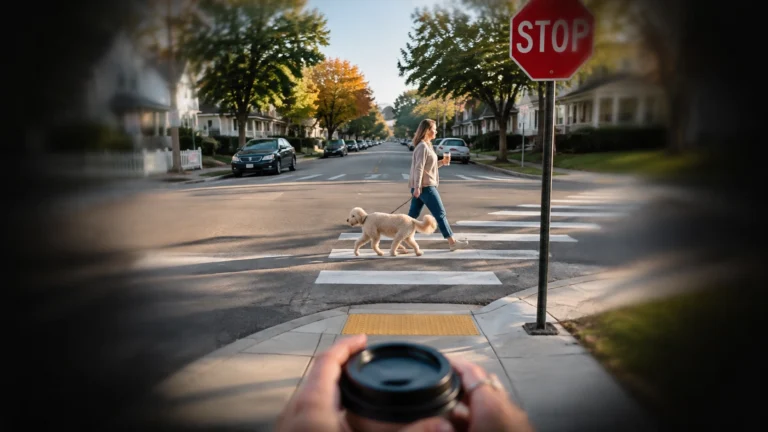
How peripheral vision loss might show up in daily life:
- Bump into door frames more frequently, or trip over the edge of a rug.
- Miss a friend waving from the side.
- See objects appear “out of nowhere,” making you feel easily startled.
- Miss a car in the next lane when changing lanes, or fail to catch a pedestrian stepping off the curb.
This isn’t about being careless — it’s a real, measurable visual change that deserves attention. If you’re constantly knocking over items on the edge of your desk or feeling spooked by things you didn’t see coming, it may be time to take that hint seriously.
Because glaucoma can show up very differently depending on the type, it helps to understand these differences.
When Glaucoma Symptoms Feel Different
Not all types of glaucoma develop or feel the same way. Some forms can cause sudden, noticeable symptoms, while others may develop so gradually that you barely notice a change in your vision.
Angle-Closure Glaucoma: Sudden Symptoms That Demand Attention
Angle-closure glaucoma can develop suddenly and cause symptoms that are hard to ignore. Severe eye pain, sudden blurred vision, halos around lights, a red eye, and nausea or vomiting can be warning signs.
If these symptoms appear suddenly, seek urgent medical attention rather than waiting for a routine eye appointment. Prompt treatment is important because acute angle-closure glaucoma can damage vision quickly.
Open-Angle Glaucoma: A Slow, Subtle Shift
Open-angle glaucoma is the most common form of glaucoma and typically develops gradually. Before being diagnosed, some people may feel that their vision is perfectly clear—especially when looking straight ahead or at distant objects. They may think, “I can see clearly, so my eyesight must be fine.”
But glaucoma can gradually affect peripheral vision while central vision remains clear. Because these changes happen little by little, they may not be obvious during everyday activities until more vision has been lost.
That’s why regular glaucoma eye exams are so important—they provide objective measurements that can help detect glaucoma and track changes over time.
If These Symptoms Sound Familiar, Get an Eye Exam
A complete glaucoma eye exam goes beyond a quick vision screening, and it’s the only reliable way to know what’s happening. For anyone over 40, or with a family history of glaucoma, an annual exam is a critical safeguard — because early damage is simply impossible to self-detect.
A comprehensive glaucoma eye exam typically includes:
- Eye pressure measurement (tonometry)
- A close examination of the optic nerve
- A visual field test that can spot gaps your brain has been hiding
The good news? Early intervention can significantly slow glaucoma’s progression, helping you preserve the precious eyesight you use to see your grandchildren smile, garden in the afternoon light, and handle your finances with confidence. An exam doesn’t just give you answers — it gives you back a sense of control.
Once you have a clear picture of your eye health, life doesn’t have to shrink. There are practical, everyday steps you can take to stay independent and keep doing the things that matter most.
Living Well After a Glaucoma Diagnosis: Small Steps That Make a Big Difference
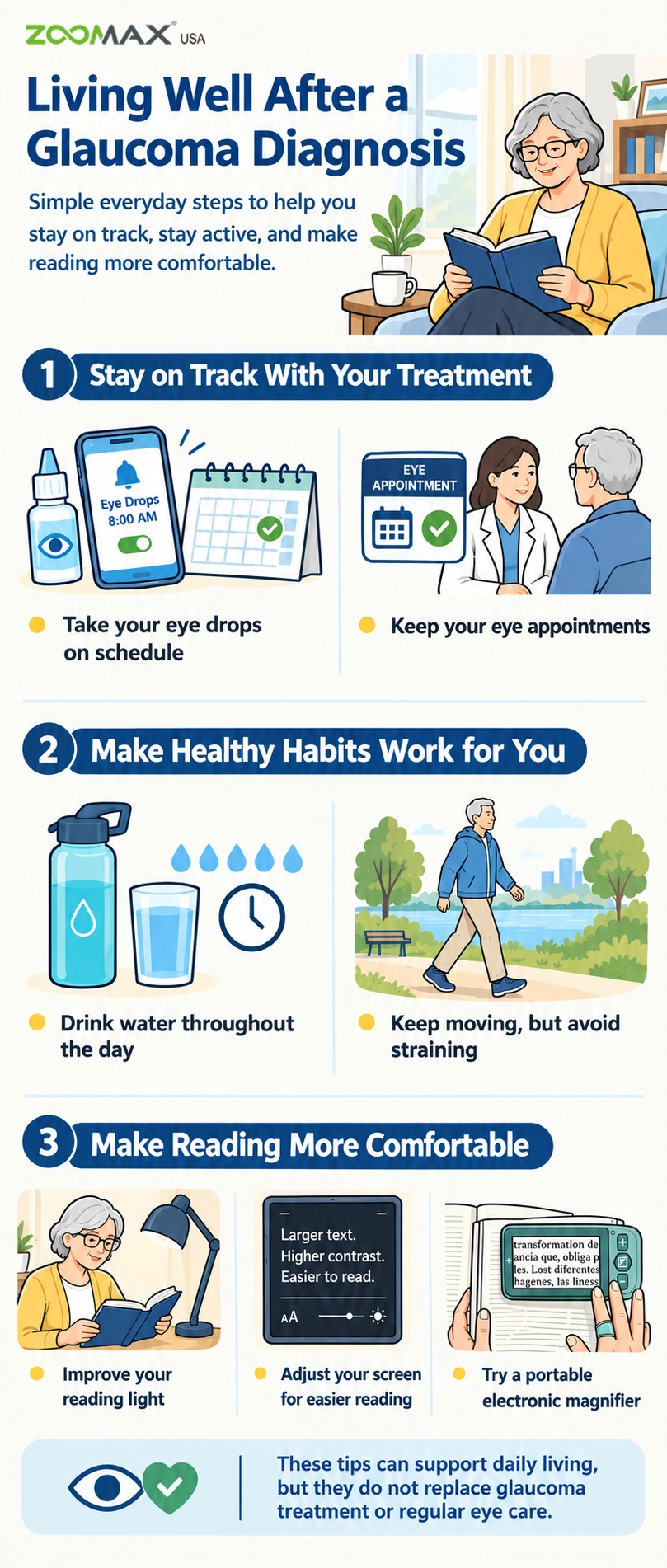
If your eye doctor has told you that you have glaucoma, it’s natural to feel a mix of worry and uncertainty. The good news is that there are practical things you can do every day to help manage your condition and stay independent. These habits do not replace glaucoma treatment, but they can help you stay on track with your care and adapt to changes in your vision.
Stay on Track With Your Treatment
- Take your eye drops on schedule. Set a phone alarm or keep your drops somewhere visible so you don’t forget a dose. If you use more than one type, wait at least 5 minutes between drops.
- Keep your regular eye appointments. Glaucoma can change without obvious symptoms, so your doctor needs to monitor your eye pressure and vision over time. Write down any new vision changes or questions before each visit.
Make Healthy Habits Work for You
- Drink water throughout the day, not all at once. Staying hydrated is important, but drinking a large amount very quickly can temporarily raise eye pressure.
- Choose a balanced diet and go easy on salt and caffeine. There is no special “glaucoma diet,” but limiting highly salty foods and excessive caffeine is a sensible part of a healthy routine.
- Keep moving, but avoid straining. Regular activities such as walking, swimming, or cycling can be part of a healthy routine, while heavy straining, holding your breath, or inverted positions can temporarily raise eye pressure.
Make Reading More Comfortable
- Improve your reading light. Use a task light when reading, and position it to reduce shadows and glare on the page.
- Adjust your screen for easier reading. If black text on a white screen feels uncomfortable, try a dark background with light text or another high-contrast setting that feels easier to see. You can also increase text size when needed.
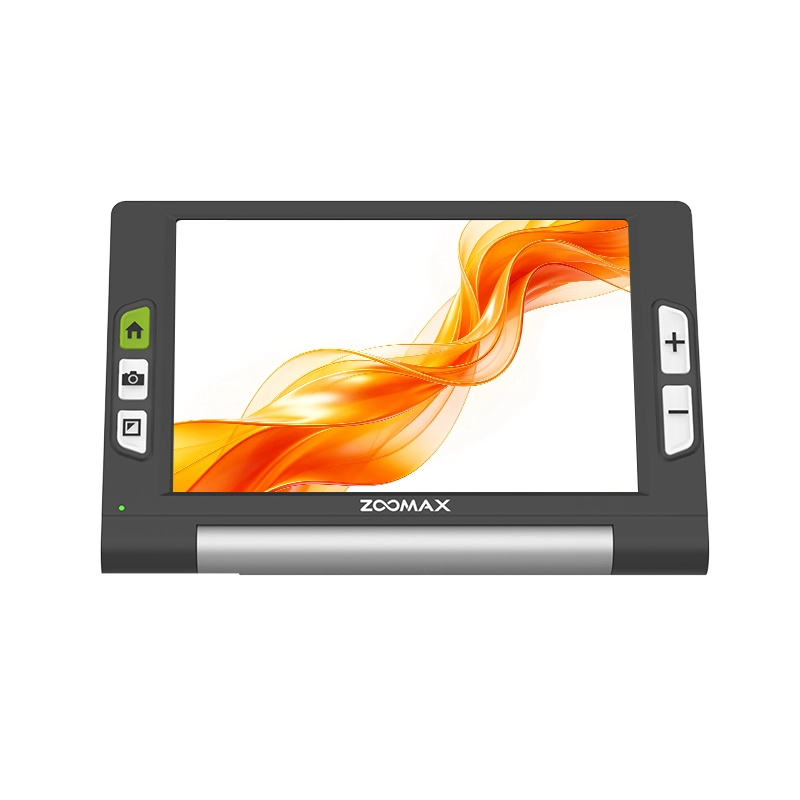
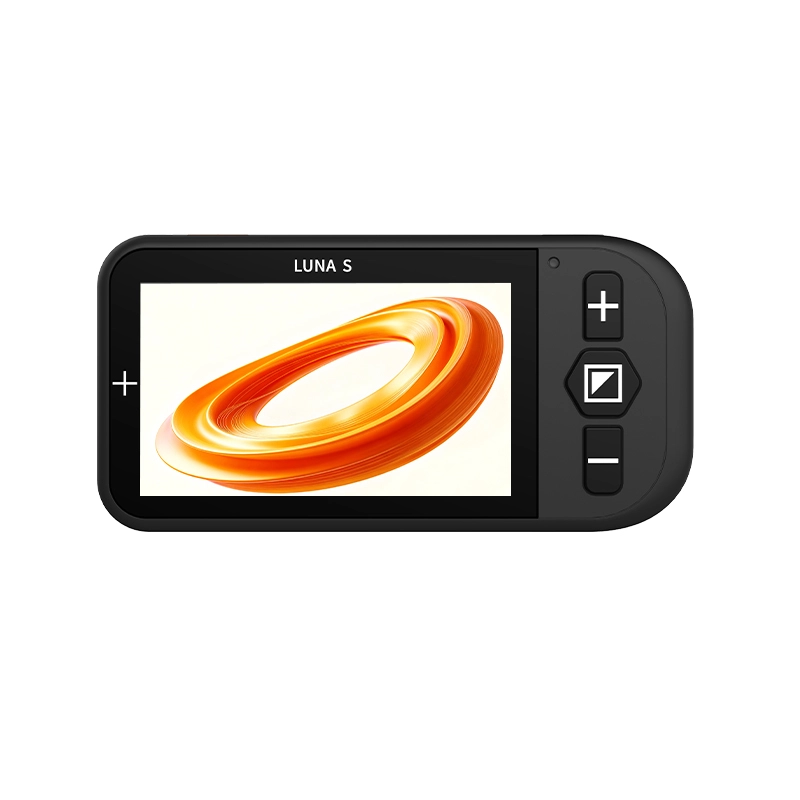
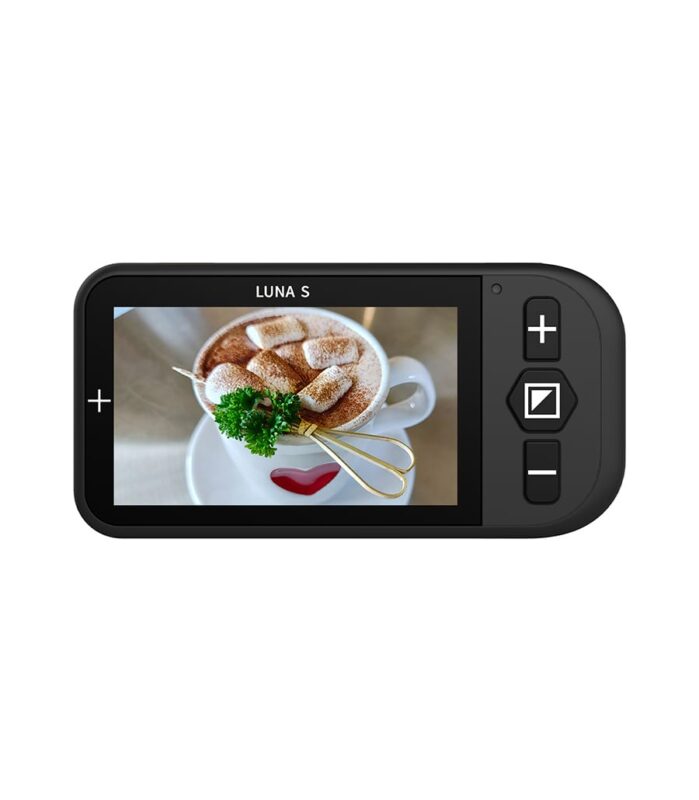
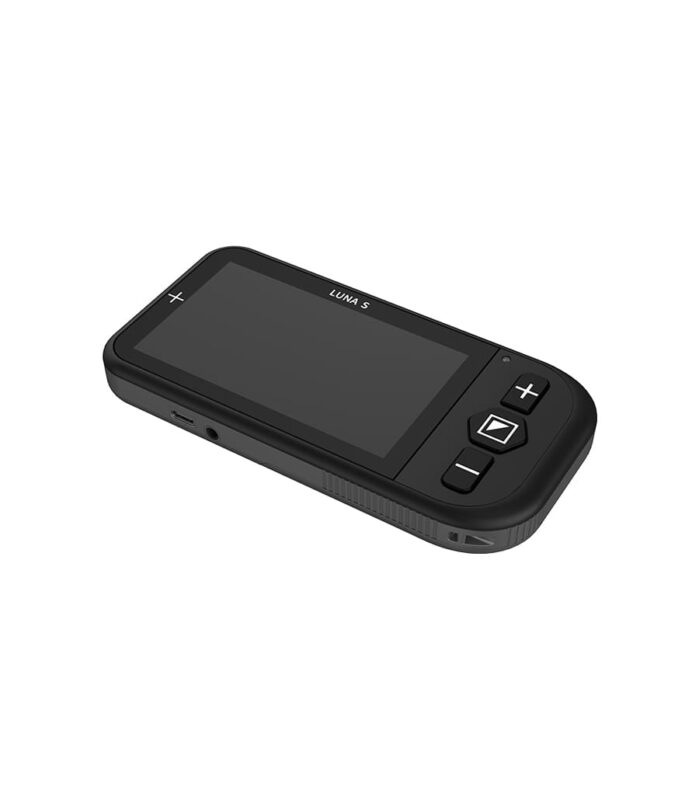
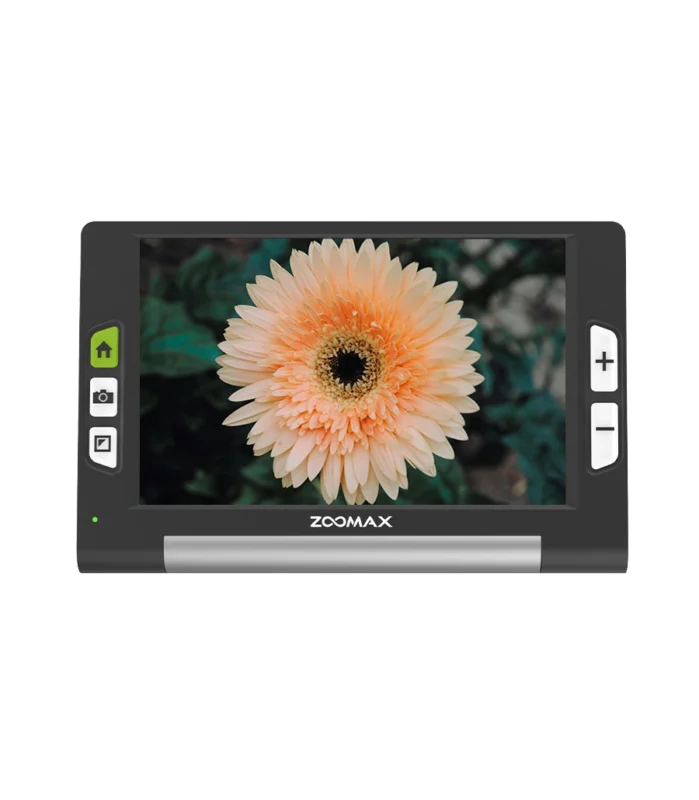
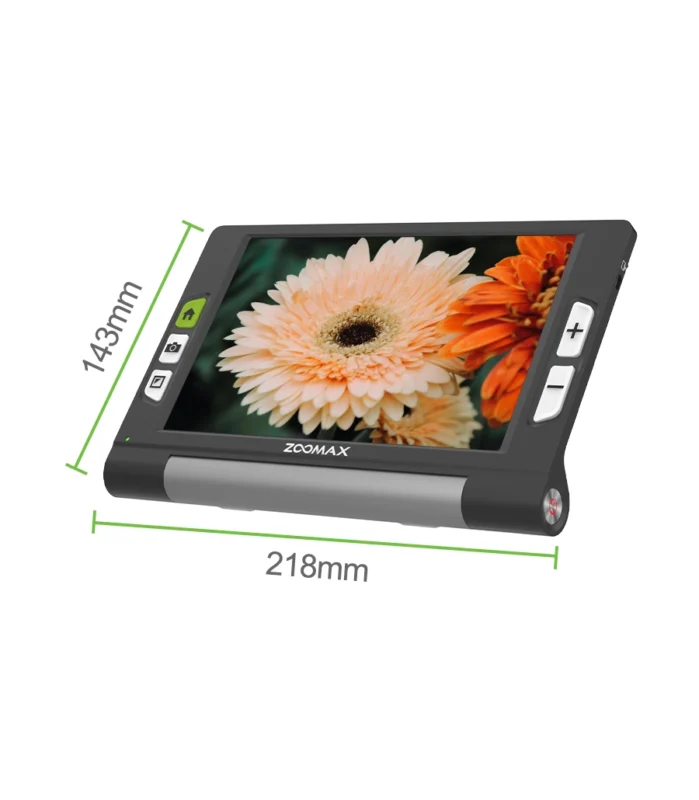
- Try a digital magnifier when regular print becomes difficult. A can make small print and everyday details easier to see without having to hold them extremely close. The compact Zoomax Luna S can suit quick reading tasks, while the Luna 8 offers an 8-inch screen and about 8 hours of continuous battery life for those who prefer more screen space.
Finding Your Next Step With Confidence
A glaucoma diagnosis can bring uncertainty, but it does not mean you have to stop doing the things that matter to you. Knowing the early changes to watch for, keeping up with treatment and eye exams, making simple adjustments at home, and using glaucoma low vision aids when needed can all help you stay more comfortable and independent.
If you notice changes in your vision, don’t try to diagnose the cause yourself. Talk with your eye care professional, and let your vision needs guide the adjustments and tools you use along the way.
If reading and everyday tasks have become more difficult, Zoomax Luna S and Luna 8 digital magnifier for reading can provide additional visual support. Explore the options below to see which may fit your daily routine.
Frequently Asked Questions
What is usually the first sign of glaucoma?
In many cases, glaucoma does not cause noticeable symptoms in its early stages. According to the National Eye Institute (NEI), early glaucoma symptoms are often absent, which is why many people do not realize they have the condition until vision changes begin. As glaucoma progresses, some people may experience gradual loss of peripheral (side) vision, difficulty noticing objects to the side, or changes in everyday visual tasks. A comprehensive eye exam is the only reliable way to detect glaucoma early.
Can glaucoma cause difficulty reading or seeing in low light?
Glaucoma primarily affects the optic nerve and often begins by reducing peripheral vision. While early glaucoma may not cause noticeable symptoms, some people may find certain visual tasks more challenging as vision changes progress, such as navigating in dim lighting or noticing objects outside their direct line of sight. If you experience new changes in your vision, it is important to discuss them with your eye care professional.
How do I choose a low vision aid for glaucoma?
Start with the tasks that have become difficult for you. If portability and quick everyday reading are your priorities, a compact handheld magnifier such as the Luna S may be a practical choice. If you prefer a larger viewing area for more comfortable reading, the Luna 8 offers an 8-inch screen and about 8 hours of continuous battery life.
Because glaucoma can change over time, your visual needs may change as well. If your current device no longer provides enough viewing comfort or magnification, it may be time to discuss your changing needs with a low vision professional and consider a different type of visual aid.
What should I know before buying a digital magnifier from Zoomax USA?
When you buy low vision assistive devices from Zoomax USA, you can enjoy a worry-free shopping experience with benefits designed to make your purchase easier:
●30-Day Risk-Free Trial: Try Luna S at home and make sure it’s the right fit for your daily vision needs.
●Fast U.S. Shipping: Your order is shipped directly from our U.S. warehouse for timely delivery.
●2-Year Warranty: Enjoy reliable product support and service after your purchase.
Medical Disclaimer
This article is for informational purposes only and does not constitute medical advice. Always consult your eye doctor or a qualified healthcare professional regarding any vision changes or concerns. If you experience sudden symptoms or a medical emergency, contact your doctor or call 911 right away. Zoomax USA provides low vision aids and educational resources but does not offer medical services or clinical guidance.
References
- National Eye Institute (NEI). Glaucoma: The “Silent Thief” of Sight.
https://www.nei.nih.gov/eye-health-information/eye-conditions-and-diseases/glaucoma - National Eye Institute (NEI). Facts About Glaucoma.
https://www.nei.nih.gov/about/education-and-outreach/outreach-materials/facts-about-glaucoma - National Eye Institute (NEI). 10 Things You Should Know About Glaucoma.
https://www.nei.nih.gov/research-and-training/research-news/10-things-you-should-know-about-glaucoma - National Eye Institute (NEI). National Eye Institute Statement on Detection of Glaucoma and Adult Vision Screening.
https://www.nei.nih.gov/about/education-and-outreach/glaucoma-resources/national-eye-institute-statement-detection-glaucoma-and-adult-vision-screening