










How Smart Home Technology Helps Seniors with Low Vision Live More Independently


Key Takeaways
- Smart home technology helps seniors with low vision age in place safely and independently by reducing visual reliance on everyday routine tasks.
- Five targeted, vision-specific upgrades deliver far greater value than basic voice assistants, spanning lighting, fall safety, medication management, and simplified daily routines.
- Smart home systems and electronic video magnifiers work as complementary tools, covering environmental control and close-up detail work respectively.
- A complete low-vision support plan combines both smart home adaptations and dedicated vision aids to support full, long-term independent living.
For many older adults, growing older at home isn’t about fancy tech or perfect living conditions. It’s about one simple, heartfelt wish: staying in the home you love — the place filled with lifelong memories, familiar layouts, and comforting routines, living on your own terms. This is the true power of senior-friendly smart homes. Today’s independent living aids for visually impaired are no longer limited to basic aids. They are thoughtful, caring companions that help seniors with visual impairments live safely, confidently, and independently at home.
A More Independent Home Starts with Small Everyday Changes
If you ask seniors living with low vision or their family caregivers what makes daily life hardest, the answer is rarely big, overwhelming life changes. It’s the tiny, repeated frustrations that chip away at independence and confidence: fumbling for light switches in dim hallways, straining to read tiny numbers on kitchen appliances, struggling to make out pill bottle labels, or feeling uncertain about who is standing at the front door.
For years, families have relied on simple fixes — brighter overhead lights, high-contrast labels, and tidy home organization. These small adjustments still help, but they can only do so much.
Thankfully, modern aging in place technology brings gentle, personalized support that traditional methods cannot match. Instead of forcing seniors to adapt to their home, today’s smart home for seniors adapts to you. It learns your habits, listens to your needs, and eases the small daily struggles that make aging in place feel challenging.
How Basic Smart Home Lightens the Load for Low-Vision Seniors

Many households already have a basic voice speaker like Amazon Alexa or Google Home, and their value for low-vision seniors goes far beyond convenience. At their core, these tools work because they reduce daily friction in three fundamental ways:
First, they reduce visual reliance for routine tasks. Instead of hunting for tiny buttons, squinting at device screens, or scrolling through phone menus, seniors control the home with just their voice. Turn on a light, set a medication reminder, call a family member — it all happens with a simple sentence. This is an enormous relief when your eyes feel tired or unreliable, or when your hands are full.
Second, automation eases cognitive and memory load. Lights that turn on at set times, thermostats that adjust to your preferred temperature, and spoken daily reminders take the pressure off remembering every small detail. They turn a day full of small, effortful decisions into a calm, predictable routine.
Third, thoughtful design brings redundant multi-sensory feedback for important actions. Instead of guessing whether a command worked, you get confirmation through sound, light, and even vibration. You never have to squint to check a setting or wonder if a device is on. Core safety features also work fully offline, so you never have to worry about Wi-Fi outages compromising your peace of mind.
These are the everyday wins that make basic smart home technology such a meaningful part of aging in place plans. They don’t fix vision loss, but they make living with it feel far more manageable.
Connected Home Features That Can Make Daily Life Safer and Easier
If you already use a basic voice assistant or entry-level smart devices, these five low-vision-focused upgrades take that comfort and safety much further. They address the specific, often overlooked challenges of aging with vision loss, turning a “good enough” smart home into one that truly supports independent living.
1. Eye Condition-Tuned Smart Lighting
Ordinary smart lights can adjust brightness, while low-vision-friendly lighting focuses on comfortable, even illumination tailored to individual visual needs. Smart lighting systems such as Philips Hue and Kasa allow users to adjust brightness and color temperature for different activities and preferences.
Rather than following a fixed “light prescription” for each eye condition, lighting could be personalized:
Eye Condition or Visual Need | Lighting Considerations | Potential Benefit |
AMD | Bright, even lighting with good contrast and minimal glare | Makes reading and identifying objects easier |
Glaucoma / Light Sensitivity | Even lighting with reduced glare and harsh reflections; warmer settings may feel more comfortable | Reduces discomfort from excessive brightness |
Diabetic Retinopathy | Adequate, even lighting with good contrast and color rendering | Makes colors and visual details easier to distinguish |
The key advantage of smart lighting is flexibility. You can create brighter settings for reading, softer lighting for relaxing, and low-level pathway lighting at night. Gradual fade-in and sunrise-style lighting can also make transitions from darkness to light more comfortable.
Voice control adds convenience by allowing users to adjust lighting without reaching for a phone or locating a small switch—especially useful at night.
2. Offline Voice Control With Audible Confirmation
Basic voice control is convenient, but it often leaves seniors guessing if their command actually worked. For those with low vision, the most reassuring upgrade is spoken audible confirmation: every device verbally repeats its updated setting, temperature, or status, offering the same clear confirmation that sighted people get from a screen.
Best of all, core smart home functions work fully offline, independent of Wi-Fi networks or smartphone apps. Even during internet outages, seniors can safely adjust lights, thermostats, and small appliances without fumbling with tiny buttons or complex on-screen menus.
3. Privacy-First Millimeter-Wave Fall Detection
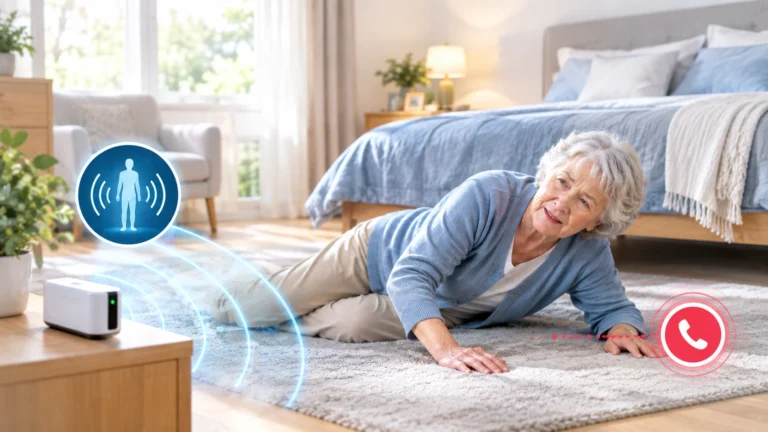
Falls are the greatest safety concern for seniors aging at home, yet many older adults resist camera-based monitoring due to privacy worries and feelings of intrusion. Millimeter-wave radar sensors solve this dilemma perfectly. They monitor body movement and position through harmless radio waves with no video recording and zero stored visual data, fully protecting seniors’ dignity and privacy.
These sensors can help detect potential falls and notify a caregiver if someone remains on the floor for a configured period, depending on the device and its settings.
However, movements such as bending down to pick up an object or sitting on the floor may sometimes trigger false alarms, and not every fall is guaranteed to be detected. Performance varies by device, sensor placement, and home environment, so millimeter-wave fall detection is best used as an additional safety measure rather than a substitute for a broader emergency response plan.
4. Multi-Channel Medication Reminders
Missed or incorrect medication doses are a hidden yet serious health risk for low-vision seniors, who struggle to read small pill labels and faint screen alerts. Integrated smart medication systems deliver gentle, impossible-to-miss reminders through redundant multi-sensory channels: audible chimes, high-contrast flashing lights, and clear voice announcements.
This layered reminder system works wonderfully for seniors with both vision loss and mild age-related hearing decline. It eliminates the stress of squinting at tiny labels or manually tracking medication schedules, adding consistent safety to one of the most critical daily routines.
5. Single-Command Whole-Home Routines
Remembering dozens of separate device commands and locating scattered controls creates unnecessary mental fatigue for low-vision seniors. Whole-home smart routines simplify daily life dramatically by condensing countless visual, manual tasks into one short voice phrase.
A single “Good morning” voice command can brighten bedroom lights, announce the day’s weather and schedule, start the coffee maker, and adjust the thermostat to a cozy daytime temperature. A simple “Good night” locks all doors, powers down household lights, and activates soft nighttime path lighting for safe midnight restroom trips. These routines let your home adapt to your lifestyle, so you never have to stress about keeping up with technology.
Smart home technology cannot eliminate every challenge of low vision aging, but these thoughtful, senior-centered features make daily living far safer, easier, and more peaceful — and that makes all the difference.
Combining Smart Home Technology with Low Vision Aids for Greater Independence
It’s true that modern smart home features like voice-based object identification and label reading can help with some everyday visual tasks. But when it comes to hands-on, close-up work with physical materials — the kind of detailed, extended visual tasks that fill daily life — smart home tools can only go so far.
Reading a printed book, reviewing paper bills and statements, flipping through old family photographs, or working on hands-on crafts all rely on clear, controlled close-up vision that voice commands alone cannot deliver. Beyond completing these tasks, being able to see and explore things firsthand offers a sense of control that relying solely on spoken descriptions or assistance from others may not provide. Low vision aids help preserve that sense of autonomy, empowering older adults to make their own choices, stay engaged in activities they love, and approach daily life with greater confidence.
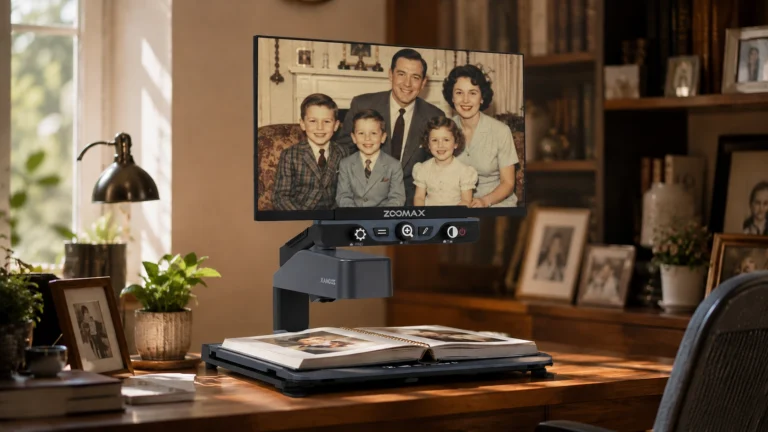
This is why a truly complete aging-in-place care plan always combines two layers of support. Smart home tech handles your home’s environment and safety, while dedicated low-vision tools fill the gap for close-up, detailed vision work. Put simply, smart homes make your space safer, and professional electronic video magnifiers make your daily life visible again — forming comprehensive low vision support for full independence.
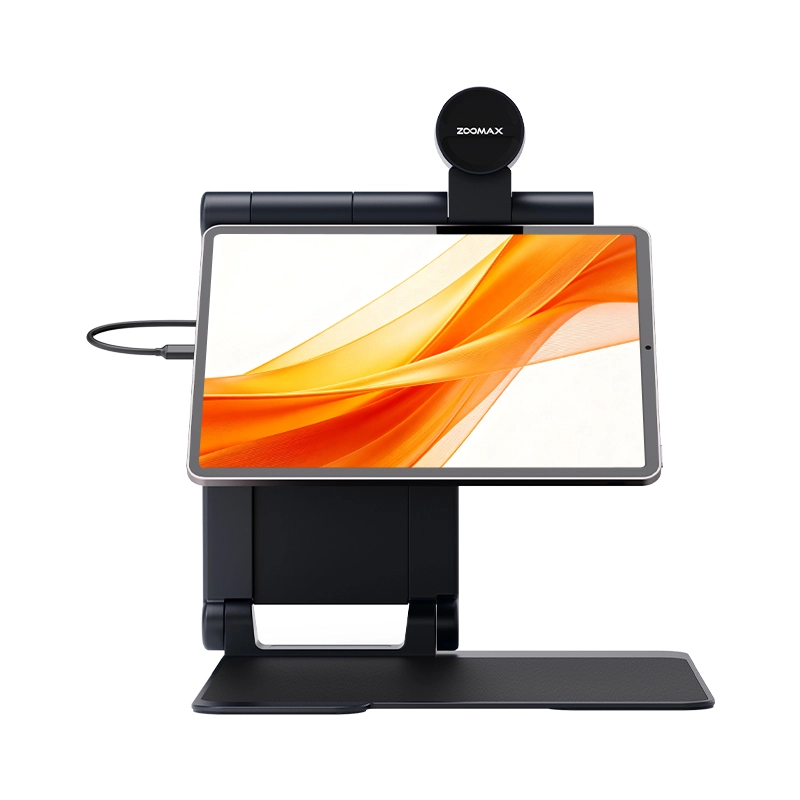
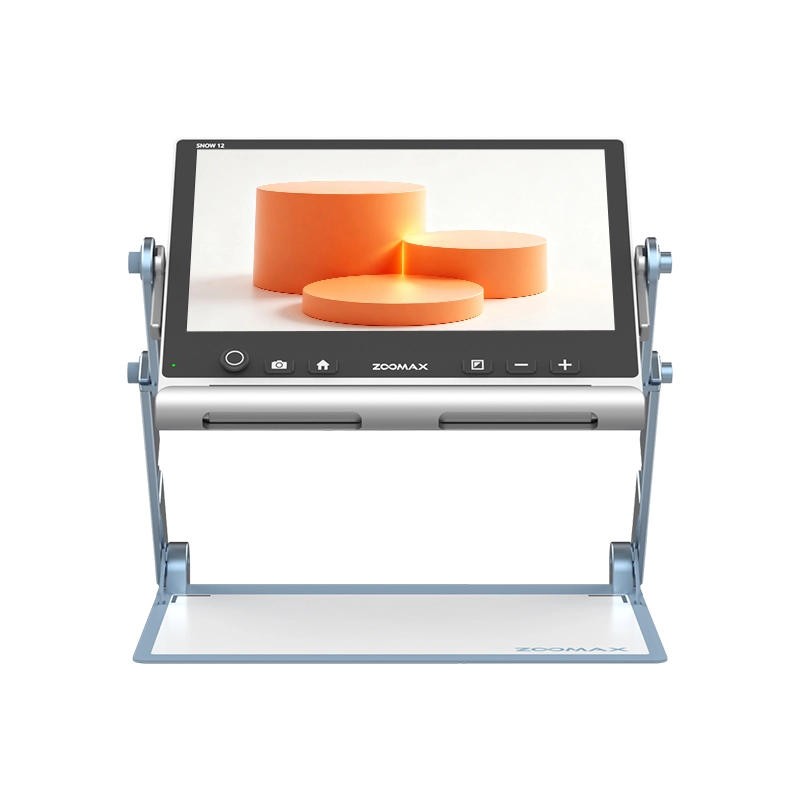
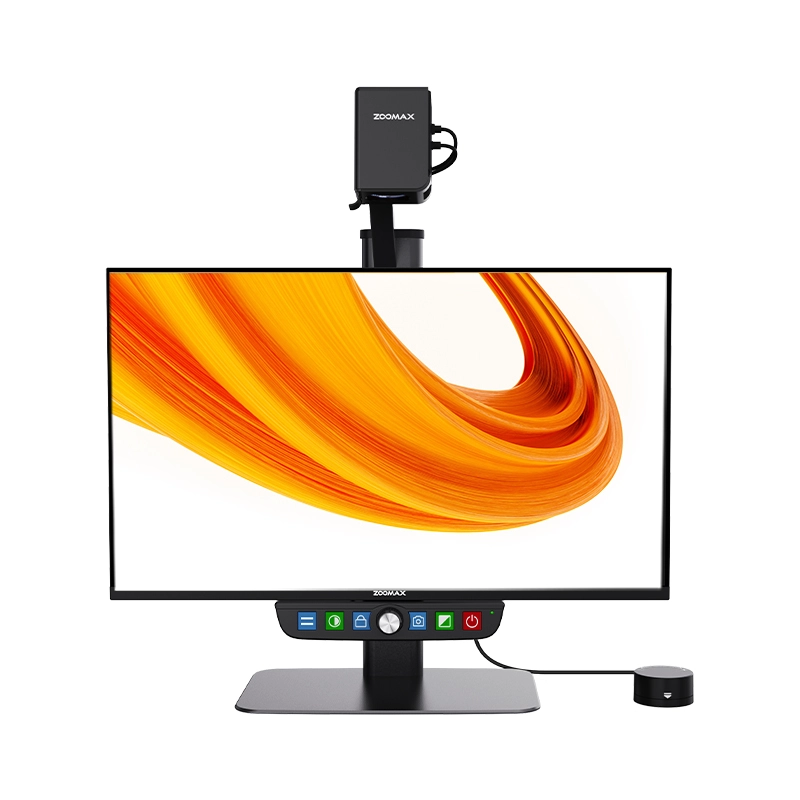
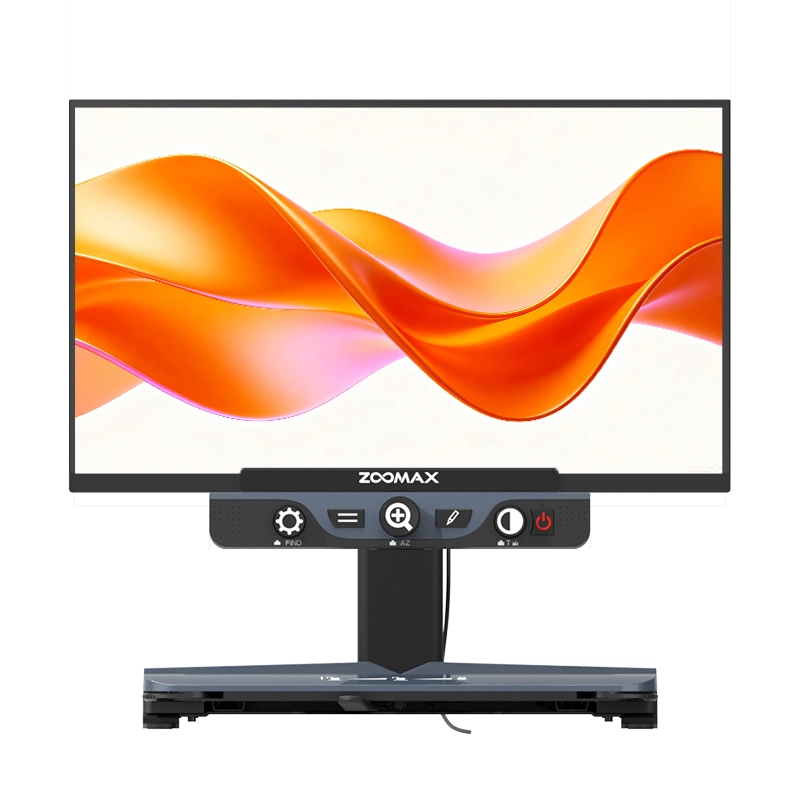
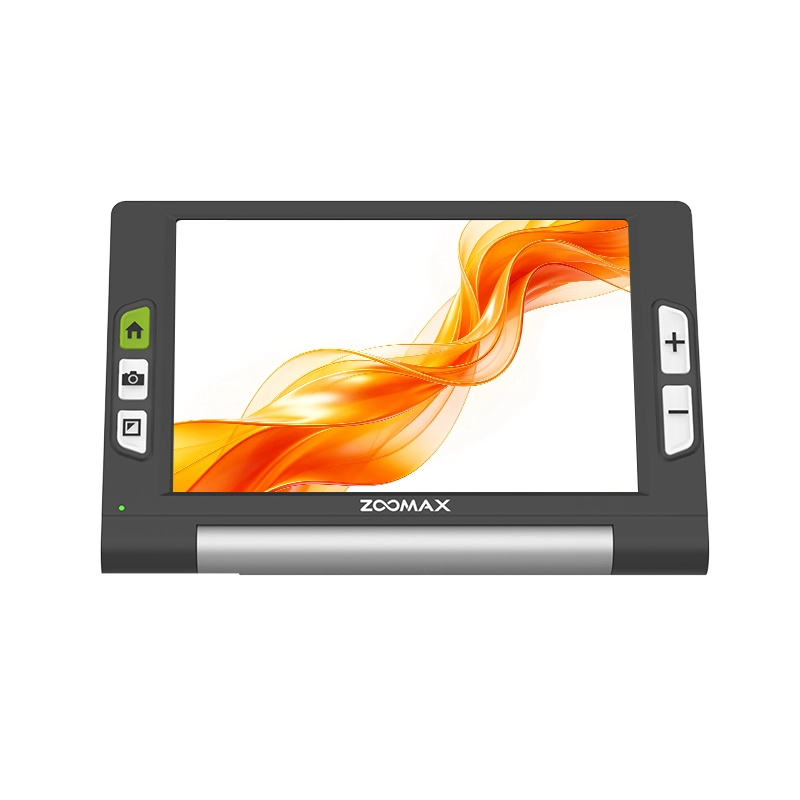
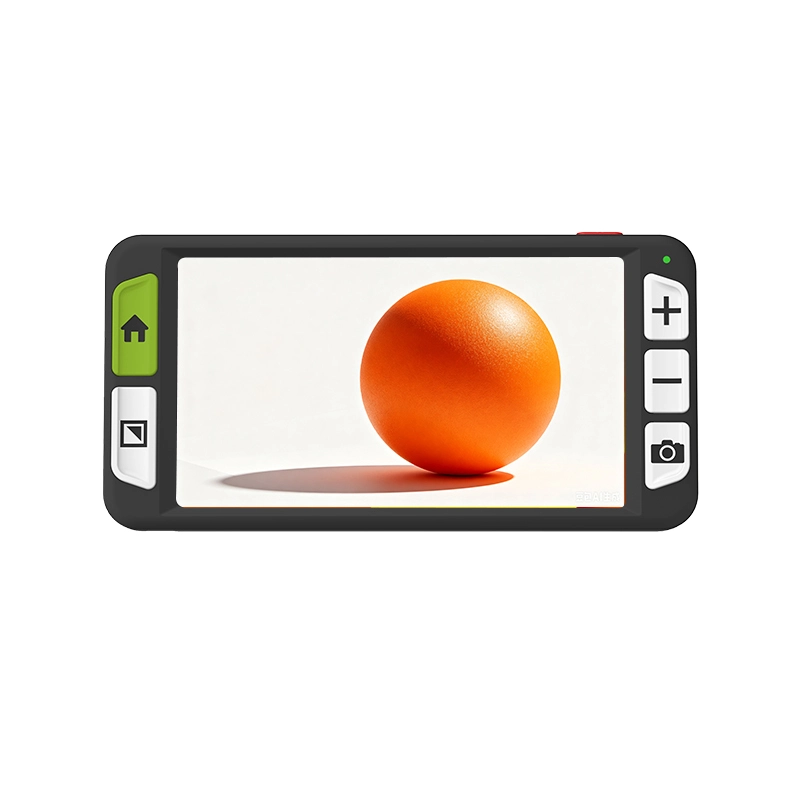
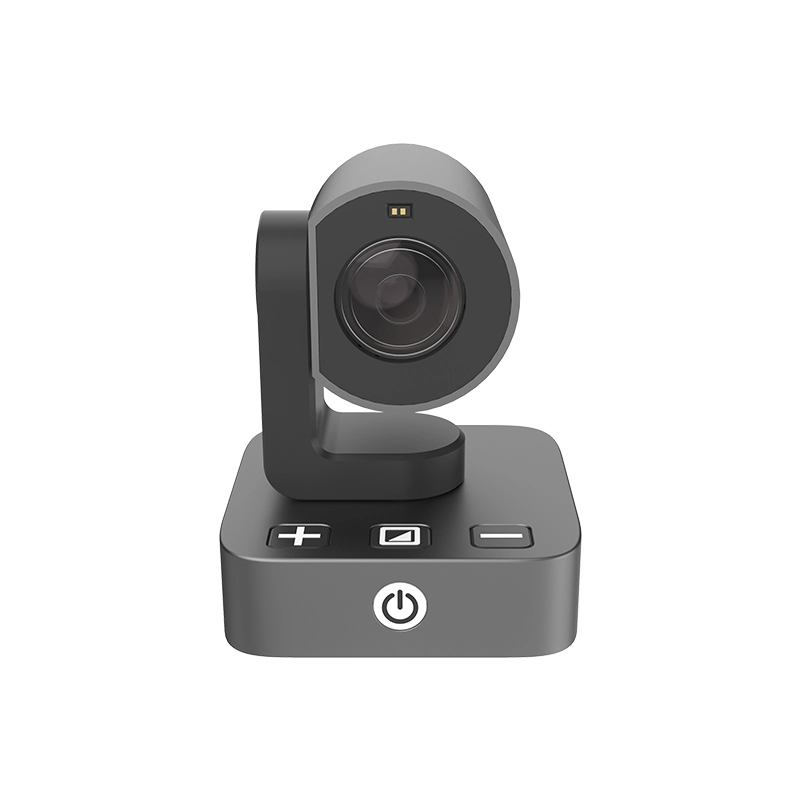
These specialized independent living aids for visually impaired are designed specifically for seniors’ daily needs. Available in portable handheld and desktop styles, they magnify small text and images, adjust display contrast, and switch customized color modes to turn blurry, unreadable details into clear, comfortable views.
The two solutions complement — never replace — one another, supporting you through every moment of your day:
- Morning routine: Your smart voice assistant shares the weather and daily schedule, while a handheld digital magnifier helps you read newspapers, mail, and medication labels independently.
- Hobby & craft time: For detailed hands-on projects like knitting, jigsaw puzzles, or sorting vintage family photos, custom smart task lighting delivers eye-friendly illumination, and a large screen magnifier zooms in on fine details so you can work comfortably for longer.
- Cooking time: An intelligent voice timer keeps track of your stove and cooking progress, and a digital desktop magnifier makes following recipes easy and strain-free.
- Outings & errands: Before you leave the house, your smart home runs a quick security check, shares the forecast, and recites your to-do list, so you can head out confidently with a pocket-sized handheld magnifier for grocery price tags, street signs, and clinic paperwork.
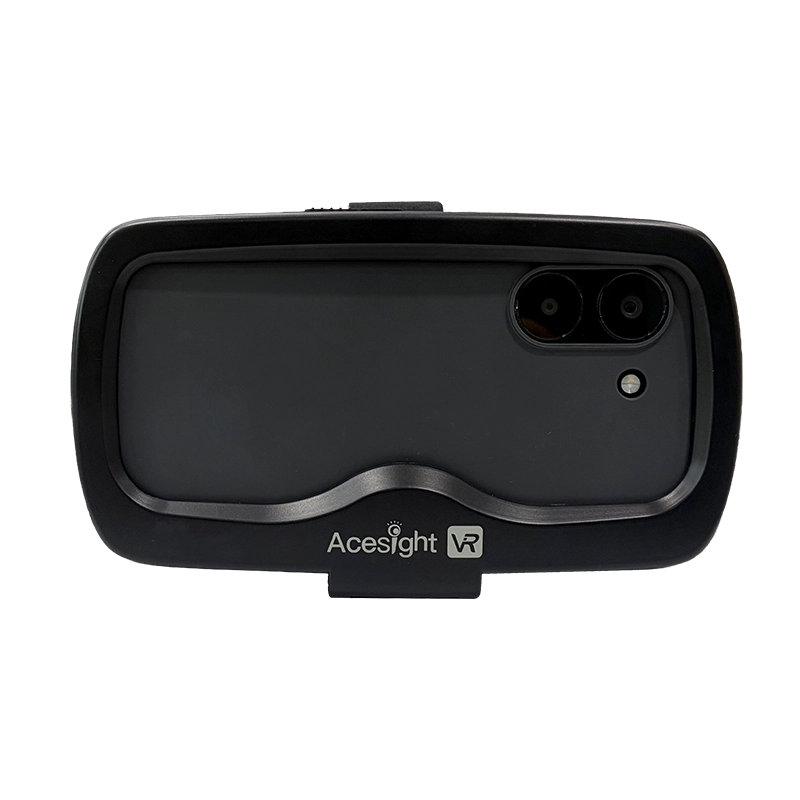
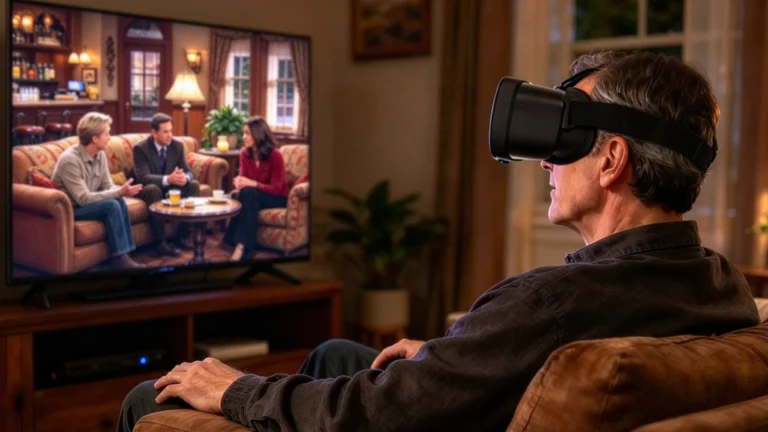
- Evening relaxation: Automated pathway lights keep your home safe and bright, as low vision glasses for watching TV let you watch TV and enjoy daily leisure time freely.
The Future of Independent Living for Seniors with Low Vision
Assistive technology continues to evolve, making homes increasingly warm and accessible for low-vision seniors. Future smart home systems will adapt even more intuitively to personal daily rhythms, automatically adjusting lighting, temperature, and scene modes to match your activities. Assistive technology devices for elderly will work together more seamlessly to build a gentler, more supportive living environment for aging adults.
No matter how advanced technology becomes, the core goal never changes: empowering seniors to age in place comfortably, confidently, and independently, in the home they love.
True independence is not about owning endless gadgets. It is about how many choices you have — the freedom to wake up on your own time, cook your favorite meals, read a beloved book, and connect with family whenever you want.
Every smart home feature and low vision assistive device exists to protect these precious, ordinary daily freedoms. These quiet, comfortable moments are what make independent aging truly worthwhile.
If you’re ready to add dedicated low vision tools to your independent living plan, you can explore the full range of digital magnifiersat Zoomax USA visually impaired store. Our team is also available to help you select the device that best matches your vision needs and daily lifestyle.
Frequently Asked Questions
How is a low-vision optimized smart home different from a regular smart home?
A regular smart home is built for general convenience and relies heavily on visual screens and app controls. A low-vision optimized system is designed around reduced visual reliance: it adds redundant multi-sensory feedback (sound, light, vibration), offline core safety functions, eye condition-tunable lighting, and safety features calibrated for older adults. It prioritizes dignity and ease of use over flashy features.
Even the most thoughtfully designed smart home cannot fully replace dedicated low vision aids when it comes to close-up, detailed visual work. Only by combining both smart home adaptations and assistive devices for low vision can you build a truly complete aging-in-place system that supports every part of daily life.
Do I need professional installation to set up these smart home features?
Many entry-level smart home devices — voice speakers, smart bulbs, and plug-in motion sensors — are designed for simple, tool-free self-setup, and most include voice-guided step-by-step prompts to avoid reliance on screens.
For more comprehensive setups or personalized support, there is an established network of services across the U.S. Low vision specialists, occupational therapists trained in assistive technology, and aging-in-place home modification providers can conduct in-home assessments, recommend devices matched to your specific vision needs, handle full installation, and deliver hands-on training for you and your family. Service availability, in-home options, and pricing vary by location and provider.
How do electronic video magnifiers work together with smart home systems?
Smart home systems handle environment control — lighting, temperature, security, and routine tasks — to reduce overall visual demand around the home. Electronic video magnifiers address the close-up, detailed visual work that voice control cannot solve, such as reading pill labels, following recipes, sorting mail, and viewing photos. Together, they create a complete, end-to-end solution for independent daily living.
What is Zoomax USA’s purchase and warranty policy?
All Zoomax low vision aids ship directly from U.S.-based warehouses for fast, reliable delivery. We offer a 30-day risk-free trial on all digital magnifiers, so you can try the device in your own home and daily routine. Every product is also backed by a 2-year manufacturer warranty for lasting quality and peace of mind.