










Central Scotoma: Causes, Symptoms, and Low Vision Solutions

Quick Key Takeaways
- Central scotoma is a blurry or blank blind spot in vision at the center of the visual field, most commonly caused by age-related macular degeneration (AMD) in older adults.
- It impairs fine-detail tasks like reading and recognizing faces, but typically leaves peripheral (side) vision fully intact.
- Low vision rehabilitation, optimized lighting, and contrast adjustments help people make the most of their remaining sight.
- For visually impaired seniors with central scotoma, digital magnifiers are practical aids: reading guides help them track text, and high-contrast modes make daily reading easier to manage.
If you’ve noticed seeing dark spots in vision right where you direct your focus, that printed words always seem to have a faded or blank gap along the line you’re reading, or that medicine labels and grocery item details stay hard to make out even with reading glasses, you may be dealing with a common type of blind spot in eye known as central scotoma.
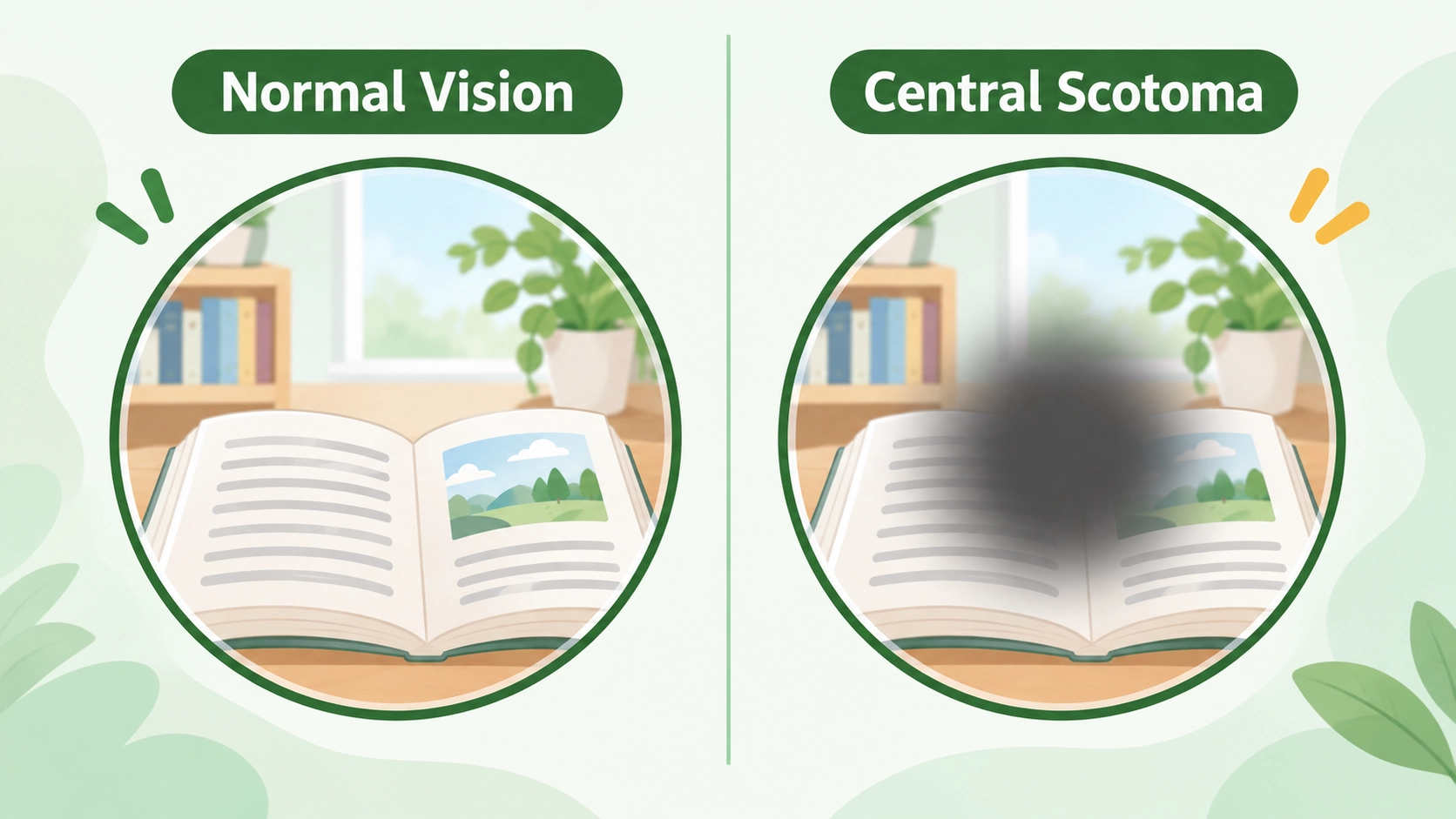
Put simply, central scotoma is a blurry, dim, or blank blind spot in vision that forms right in the center of your field of view. It develops when the macula — the tiny, highly sensitive part of the retina responsible for sharp, straight-ahead detail vision — becomes damaged.
According to the National Eye Institute (NEI), an estimated 20 million Americans have age-related macular degeneration (AMD), a leading cause of vision loss among older adults that affects the central vision needed for everyday activities such as reading, recognizing faces, and driving. AMD is the most common cause of central scotoma, which can also be linked to other conditions that damage the macula, such as Stargardt disease, diabetic retinopathy, and macular edema.
These shifts in sight can mean familiar daily tasks take extra adjustment, but they do not mean you have to step back from the activities and people you care about. With guidance from your eye care provider, structured low vision rehabilitation, and well-matched vision aids, you can continue to read, handle daily tasks, and stay connected to your community. This guide breaks down what central scotoma is, how it shows up in daily life, and practical solutions to help you make the most of your remaining vision.
What Is Central Scotoma and How Does It Affect Your Vision?
Your macula sits at the very center of the retina, and it handles all the fine-detail sight you use for reading, recognizing faces, and seeing small objects clearly. When this area sustains damage, a gap in your visual field forms right in the middle of your sight line. Wherever you direct your gaze, this dim or blank eyesight blind spot will move with you.
Unlike a dark spot in peripheral vision, which may go unnoticed during routine movement and navigation, damage limited to the central macular region does not impact the outer, peripheral part of the retina. Your side vision typically remains intact, supporting you with navigating spaces, moving safely through your home and neighborhood, and perceiving light and movement around you. The primary change shows up in tasks that rely on sharp, direct central focus.
In day-to-day life, this translates to specific, noticeable changes to routine activities:
- Reading and close-up work: Words may appear to have missing letters or blank patches in the middle of lines. Small print on prescription bottles, food nutrition labels, and utility bills becomes harder to decipher, even with updated reading glasses.
- Recognizing fine details in person: Distinguishing small facial features or details at normal conversational distance takes more effort. This can make group gatherings, card games, and hands-on hobbies require extra focus.
- Everyday precision tasks: Activities like sorting mail, checking the time on a wristwatch, threading a needle, or prepping small ingredients for cooking take more time and concentration than they used to be.
Understanding exactly how this condition shapes your daily routine is the first step toward adapting comfortably. Next, we’ll cover proven strategies and tools that help you work with your existing vision more effectively.
How Low Vision Strategies Help You Make the Most of Your Remaining Vision
Adapting to central scotoma works best as a structured plan: starting with regular care from your ophthalmologist to manage the underlying eye condition, paired with professional low vision rehabilitation to build practical vision skills. Low vision specialists teach evidence-based techniques designed specifically for central vision loss, so you can learn to use your remaining healthy retina more efficiently for daily tasks.
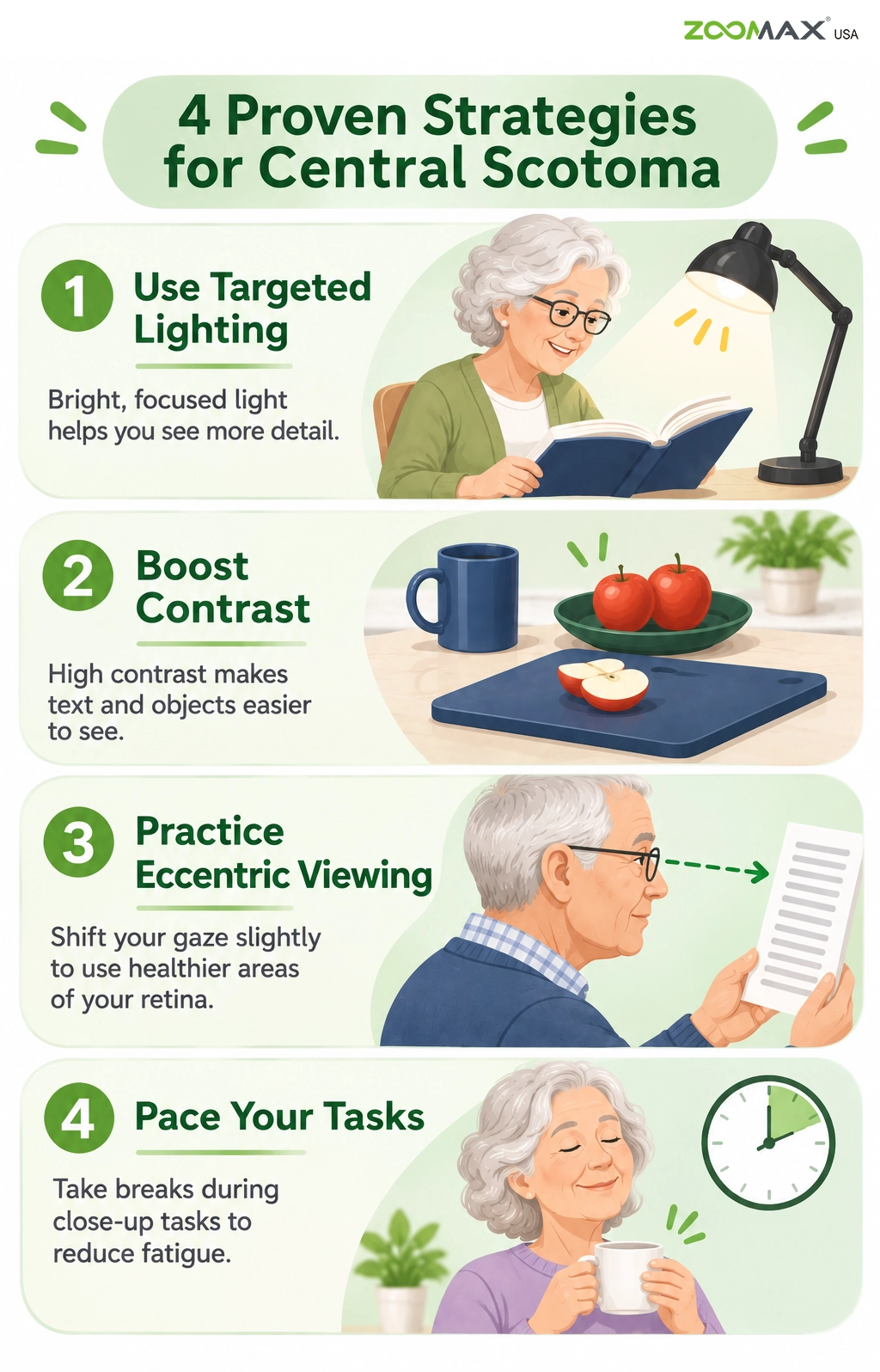
These are some of the most widely recommended, actionable strategies for central scotoma, often taught as part of formal low vision rehabilitation programs:
- Use targeted, glare-free task lighting: Bright, focused light directed exactly at the material you are viewing boosts detail visibility significantly. For AMD and central scotoma, adjustable gooseneck task lamps with anti-glare shades work far better than general overhead room lighting, as they deliver light straight to your reading surface without scattered glare.
- Boost contrast to reduce visual effort: High contrast makes edges and text easier to pick up, even with a central blind spot. Opt for dark, bold print on plain white paper, use high-contrast dishware and cutting boards for meal prep, and reduce busy background patterns on placemats, tablecloths, and decor that compete for your visual attention.
- Practice eccentric viewing with professional guidance: One of the core skills taught in low vision rehabilitation is eccentric viewing — learning to slightly shift your gaze to use the healthier, undamaged areas of your retina around the macula. With consistent practice, many people learn to work around their central scotoma and pick up details more reliably. This technique is most effective when taught and customized by a low vision therapist.
- Pace close-up tasks to reduce fatigue: Fine-detail work can feel tiring more quickly with central vision loss. Breaking longer reading or craft sessions into shorter segments, with brief breaks in between, helps you stay comfortable and productive for longer.
These daily strategies form a strong foundation for living well with central scotoma. For many people, adding well-chosen low vision aids for reading and daily tasks takes this support even further, making reading, fine work, and daily independence noticeably easier.
Beyond magnification, digital magnifiers include features specifically helpful for central scotoma that traditional optical handheld magnifiers cannot offer. Built-in reading guide lines help you track lines of text steadily, so you spend less time searching for your place on the page and more time reading comfortably — a key benefit for anyone who struggles with skipped lines or lost position due to a central blind spot. Adjustable high-contrast color modes reduce glare and make text stand out more clearly against backgrounds, and large, clear displays give you a wider viewing area than standard optical magnifiers. These features align closely with skills taught in low vision rehabilitation, helping you put your remaining vision to use more efficiently.
These qualities make digital magnifiers one of the most practical aids for visually impaired seniors with central scotoma looking to maintain independence across daily routines.
The right device for you will depend on your level of central vision loss and the daily activities you want to support.
Choosing the Right Digital Magnifier for Your Level of Vision Loss
There is no single universal device for central scotoma — the right fit depends on your unique vision needs and daily routine. Matching your device to your most frequent tasks will help you get the most use and value out of it.
If you have mild central vision loss and want a device that fits seamlessly into everyday life, both at home and on the go, a portable handheld magnifier is often the most practical choice.
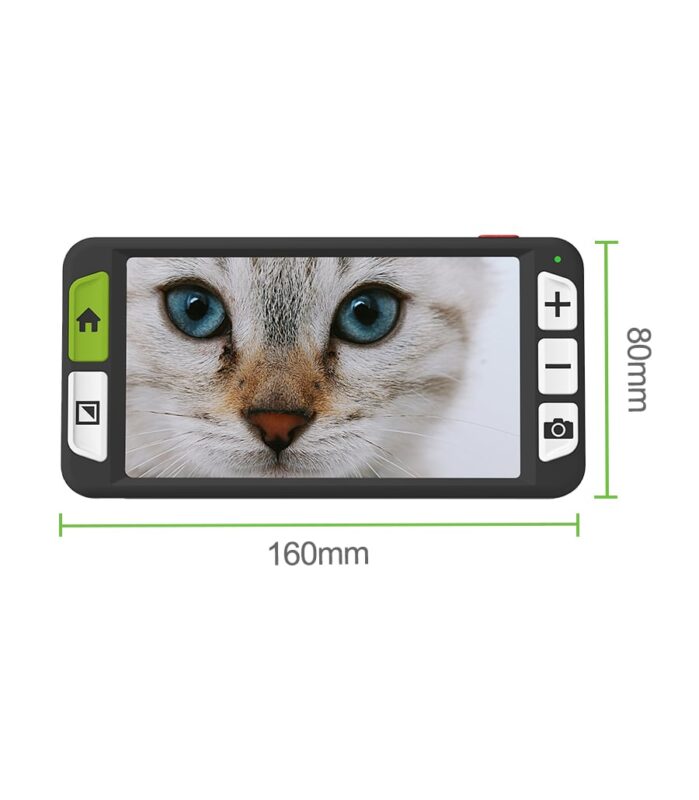
Zoomax Luna 6: Your Pocket-Friendly Everyday Visual Companion
Finding Your Next Step With Confidence
A glaucoma diagnosis can bring uncertainty, but it does not mean you have to stop doing the things that matter to you. Knowing the early changes to watch for, keeping up with treatment and eye exams, making simple adjustments at home, and using glaucoma low vision aids when needed can all help you stay more comfortable and independent.

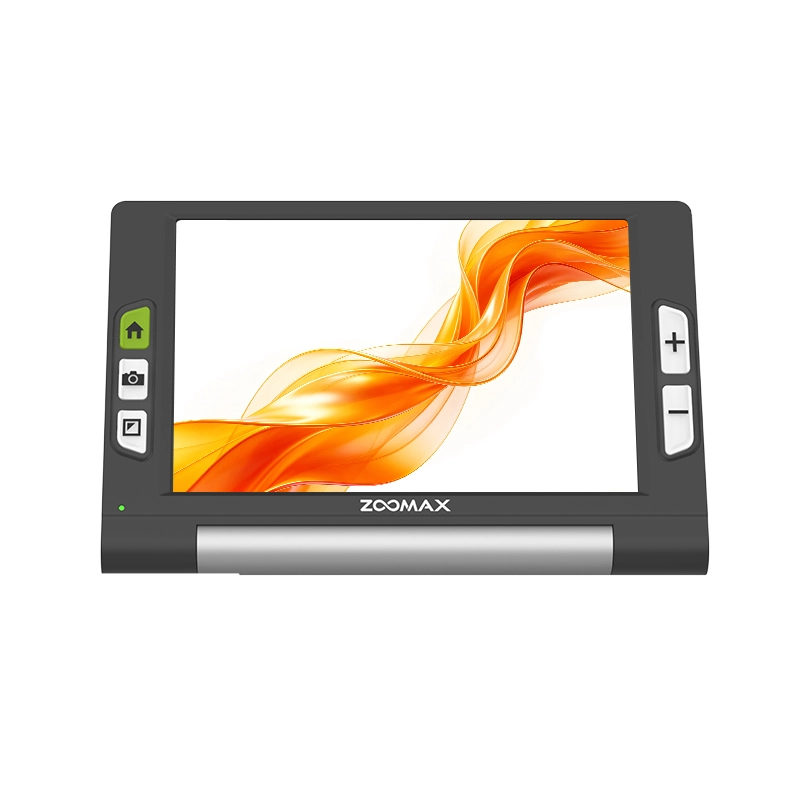
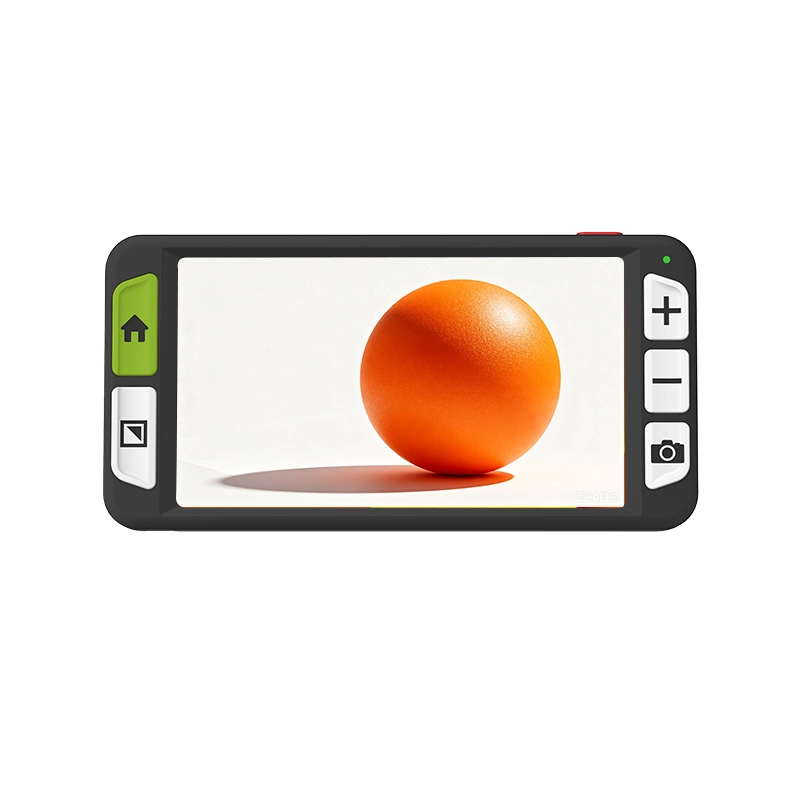
The Zoomax Luna 6 is built for people with central scotoma who want a compact, easy-to-use visual aid for errands and outings. Its portable design and clear, high-contrast viewing make everyday details easier to manage, especially when you are away from home.
Reading distant signs can be especially challenging when central vision is affected. When you look directly at a sign, some of its letters or details may appear blurry or missing. You may find yourself walking closer or turning your head to make better use of your remaining vision.
With Zoomax Luna 6, you can use its distance-viewing mode to magnify distant signs on the screen while standing at a more comfortable distance. Whether you’re checking a street sign, a store name, or a bus stop sign, Luna 6 gives you another way to access the information you need when you’re out.
For older adults with central scotoma who want to stay independent while running errands, Luna 6 offers a practical way to read everyday signs without straining or guessing.
If your central vision loss is more advanced, or you want a more comfortable, immersive experience for longer reading sessions at home, a larger-screen desktop magnifier will provide a better viewing experience.
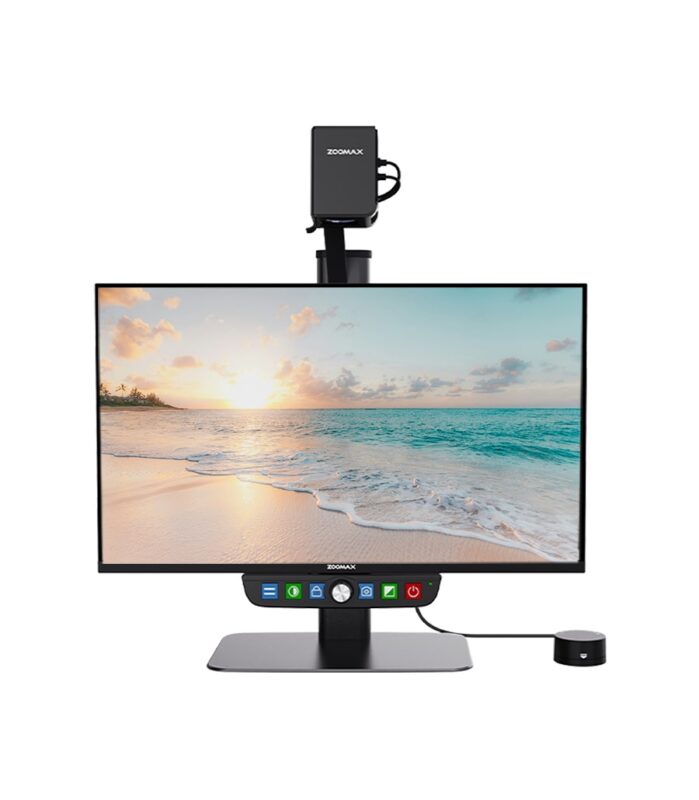
Zoomax Luna Eye: Comfortable Full-Page Viewing for Daily Home Use
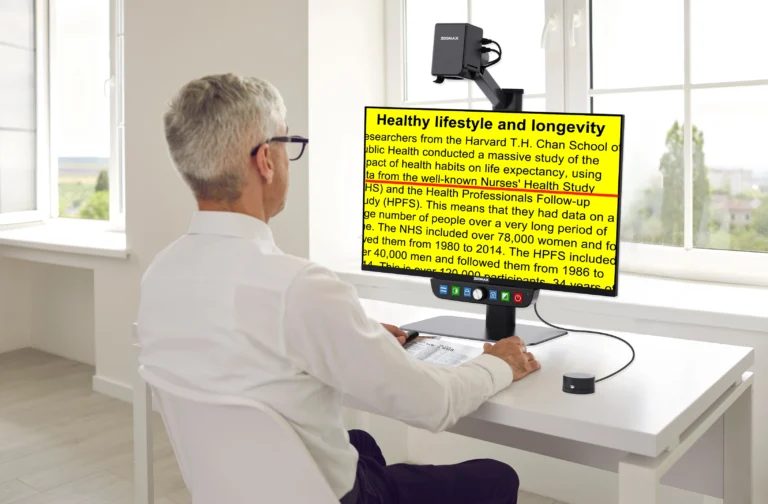
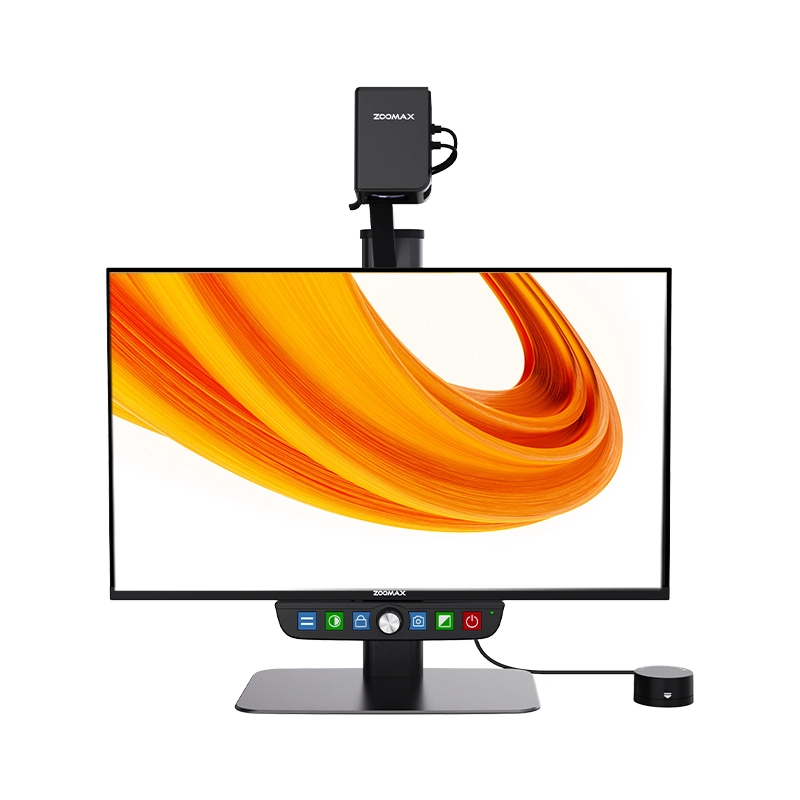
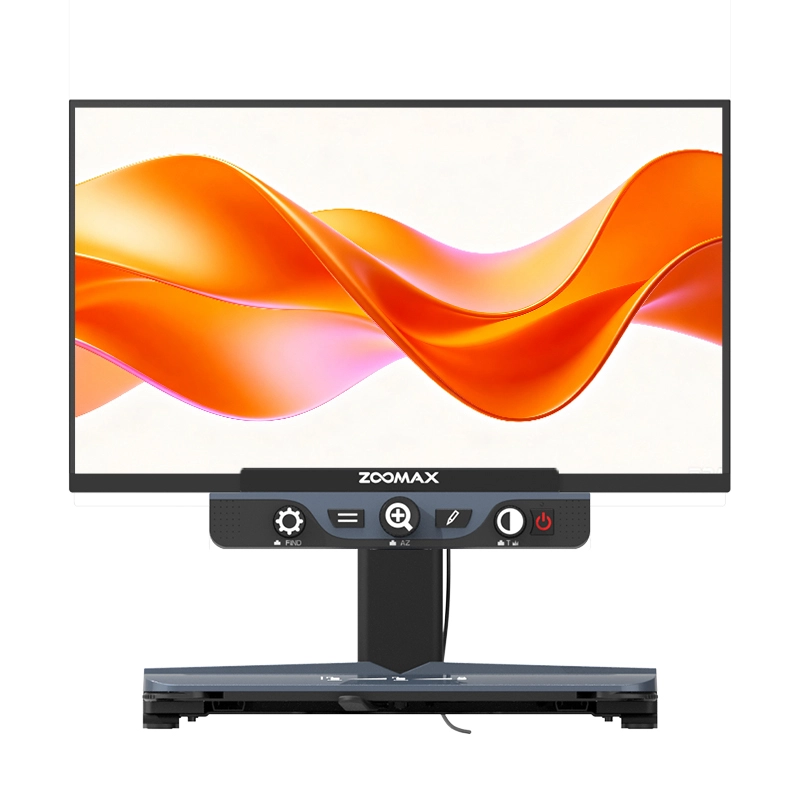
The Zoomax Luna Eye desktop cctv magnifier is designed for people with central scotoma who want to read for longer stretches at home. Its large HD display lets you see whole lines or full sections of a page at once, reducing the constant eye movement that smaller devices often require.
Reading a paragraph can take much more effort than it used to. When part of the text falls within your central blind spot, you may need to keep shifting your gaze or turning your head to find the next words. This can make it difficult to follow a sentence and may cause you to miss parts of the text.
Luna Eye offers a convenient way to navigate magnified text. Instead of repeatedly repositioning yourself or moving your reading material, you can use the external control knob to pan the enlarged image across the screen, moving it left, right, up, or down. Combined with the reading line and mask, this helps you follow the text more systematically, maintain your reading position, and reduce the effort involved in navigating a page.
For users with central scotoma who want to return to longer, more comfortable reading and detailed at-home tasks, Luna Eye makes it easier to stay with the text and follow a page from start to finish.
More Than Magnification: How Low Vision Devices Bring Confidence Back
The value of a well-chosen low vision device goes far beyond making words look bigger. What people often notice first, once they start using a digital magnifier that fits their needs, is how much more control they have over their daily life.
It means being able to sit down with your favorite novel or newspaper in the morning, on your own schedule. It means being able to check your own bank statements, verify your medication dosages, and sort through the mail independently. It means being able to work on your favorite handcrafts, flip through family photo albums, and take part in shared activities with greater ease. These small, everyday moments add up to a renewed sense of independence and self-reliance.
For family members and caregivers, the right device also changes the dynamic at home. When a loved one can handle more daily tasks on their own, the relationship shifts from constant support back to shared companionship. There is less worry about missed details, and more time to simply enjoy each other’s company.
Investing in a low vision aid is not a reminder of changing vision — it is an investment in your quality of life, your independence, and your ability to keep doing the things that make daily life meaningful.
Finding the Right Support for Your Vision Journey
Every person’s experience with central scotoma is unique. What works well for one person may not be the right fit for another, because no two sets of eyes — and no two daily routines — are exactly alike.
When exploring your options, start with your daily priorities, not just your diagnosis. Ask yourself: what is the one activity I want to make easier? Is it reading books for pleasure, being able to shop and run errands on my own, keeping up with household paperwork, or staying connected with friends and family? The answer will point you toward the tool that will make the biggest difference in your day-to-day life.
Choosing a low vision aid is about finding new ways to engage with the world, on your own terms. Central scotoma changes how you see, but it does not have to change what you can do, who you can connect with, or how you live your life.
At Zoomax USA, we design low vision solutions built around real daily life — not just technical specifications. From pocket-sized portable magnifiers like the Zoomax Luna 6 to full-featured desktop systems like the Zoomax Luna Eye, our product line is built to help you reclaim the details, activities, and connections that matter most.
Explore both options below to find the right match for your routine:

If you’re unsure which device aligns best with your vision level and lifestyle, our low vision specialists are here to help. We can walk you through feature details, recommend setups for common tasks, and help you feel confident in your choice.
Frequently Asked Questions
What causes a central scotoma?
A central scotoma develops when the macula — the light-sensitive central area of the retina responsible for sharp detail vision — becomes damaged. There are several common causes across different age groups:
●Age-related macular degeneration (AMD) is the most prevalent cause in adults over 50 in the U.S. As the macula degenerates gradually with age, it creates blurry or blank spots in central vision.
●Stargardt disease, also called juvenile macular degeneration, is an inherited condition that typically appears in childhood or young adulthood. It causes progressive damage to the macula and is one of the most common genetic causes of central vision loss in younger people.
●Diabetic retinopathy affects people with long-term diabetes. High blood sugar damages retinal blood vessels, leading to swelling, fluid buildup, or bleeding in the macula, which often results in a central scotoma.
Less commonly, macular edema from eye surgery, retinal inflammation, or physical eye injury can also cause central blind spots.
Will a central scotoma go away?
Whether a central scotoma fades depends on its underlying cause. For temporary or treatable causes — such as mild macular edema related to diabetes or post-surgery swelling — targeted medical treatment may reduce or fully resolve the dark spot over time. For chronic, progressive conditions like AMD or Stargardt disease, the central vision damage is typically long-lasting and cannot be fully reversed with current treatments. That said, even when a scotoma does not go away completely, most people can adapt very well. Low vision rehabilitation, daily habit adjustments, and assistive devices help people work with their remaining vision and stay independent in daily life.
How do digital magnifiers help with central scotoma better than regular optical magnifiers?
Beyond basic magnification, digital magnifiers include features built specifically for central vision loss: reading guide lines to help you track text steadily, adjustable high-contrast color modes, and wider viewing areas to reduce eye fatigue.
For on-the-go use, the Zoomax Luna 6 packs these features into a pocket-sized design for errands and quick daily tasks. For extended at-home reading and detail work, the Zoomax Luna Eye desktop CCTV magnifier offers a large screen for comfortable, hands-free viewing.
What is Zoomax USA’s purchase and warranty policy?
All Zoomax devices ship from US-based warehouses for fast delivery. Every purchase includes a 30-day trial period, a 2-year limited warranty, and an extra 5% discount when you create a store account.
Medical Disclaimer
This article is for educational and informational purposes only and does not constitute medical advice. The content provided is not a substitute for professional medical diagnosis, treatment, or guidance from a licensed eye care provider. Always consult your ophthalmologist or low vision specialist for personalized advice regarding your vision health. Low vision assistive devices are supportive tools and do not cure or reverse underlying eye conditions.