








Tips to Protect Your Eyes and Keep Enjoying Life Outdoors

Key Takeaways
- The Hidden UV Threat: Globally, an estimated 10% of cataracts are linked to UV exposure. Don't let overcast skies fool you—up to 80% of UV rays can penetrate cloud cover.
- Daily Protection Blind Spots: UVA rays pass through standard glass in homes and car side windows. When buying sunglasses, looking for dark lenses isn't enough; always verify they are labeled UV400 or 100% UVA/UVB protection.
- Smart Low Vision Strategies: Bright outdoor glare washes out the visual contrast essential for reading. Protect your eyes by adopting a "capture first, read in the shade later" routine.
- Layered and Adaptive Defense: Upgrade everyday prescription eyewear with UV coatings, optimize dietary intake of lutein, and utilize the high-contrast or text-to-speech features on digital low vision aids.

The smell of burgers on the grill, the crack of a baseball bat in a neighborhood park, the quiet awe of watching fireworks bloom over a lake—summer in the U.S. is built on moments like these. Whether you’re planning an RV road trip, casting a line at a favorite fishing spot, or simply watching the grandkids chase fireflies, you already know to slather on sunscreen. But here’s what often gets overlooked: your eyes need that same thoughtful protection, and it’s easier to work into your day than you might think.
With UV Safety Awareness Month 2026 here this July, it’s the perfect time to build a few simple, feel-good habits that help you keep your vision comfortable and your outdoor life wide open—no matter your age or eye health history.
Why UV Safety Matters More Than Most People Realize
Many of us are great about applying sunscreen, yet we may not always give our eyes the same level of care. Over the years, cumulative UV exposure quietly raises the risk of real, life-changing eye conditions—and it doesn’t stop at one diagnosis. While UV damage can contribute to multiple eye problems, its link to cataracts is especially striking. The World Health Organization notes that globally, an estimated 10% of cataracts may be linked to UV exposure. That connection between cataracts and UV exposure isn’t a distant theory; it’s something eye doctors discuss with patients every single day. The good news? A gentle shift in daily awareness can make a meaningful difference, and it never has to feel like a chore.
Everyday Summer Activities That Can Increase UV Exposure
Think about a typical summer Saturday: you’re sitting in the passenger seat on a scenic drive, sunlight streaming through the windshield. You’re cheering at an outdoor little league game. You’re loading the RV under a hazy sky. In every one of those scenes, your eyes are working in sustained UV light. It’s easy to assume that cloudy skies offer a break, but up to 80% of UV rays can pass right through cloud cover—meaning your eyes can be soaked in glare even when the sun seems to be hiding. And when you’re near water, sand, or a wide stretch of pavement, those surfaces bounce UV right back at you, essentially doubling the dose. That’s why a walk on the boardwalk can leave your eyes feeling just as tired as a bright, direct afternoon.
Common Signs Your Eyes May Be Struggling with Sun Exposure
Your eyes have a way of telling you they’ve had enough—if you know what to listen for. Squinting without realizing it, a tight sensation around the temples, or feeling like you need to shield your eyes just to read a text message on your phone are all early nudges. Driving can start to feel tense when glare turns the road into a white blur, and even reading a menu on a sunny patio can become a test of patience. Some people notice a brief “washout” of vision after stepping into shade—a sign the cornea and lens have been overworked by bright light. These signals aren’t just minor annoyances. When they happen often, they may indicate that your eyes are shouldering more UV load than they should, and over time that can contribute to conditions like cataracts and macular issues.
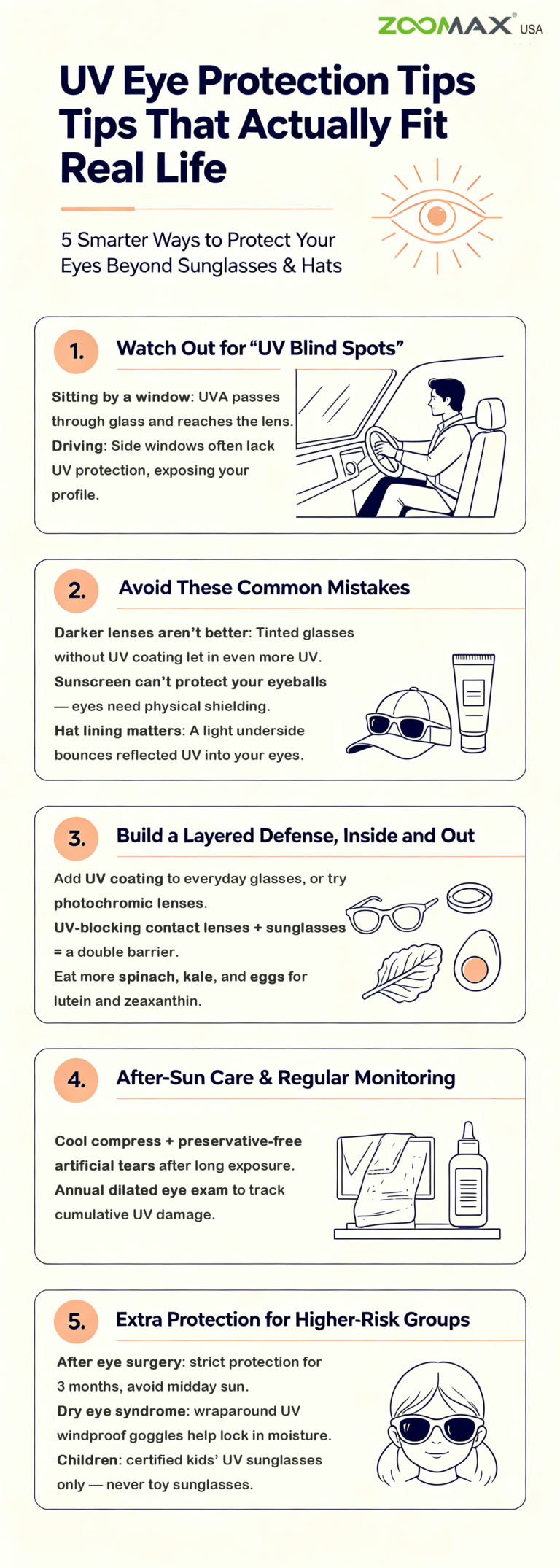
UV Eye Protection Tips That Actually Fit Real Life
Wearing sunglasses, adding a wide-brimmed hat, checking the UV index, and using polarized lenses while driving—those are all excellent starting points. But if you’re ready to go a little further, here are five specific angles packed with simple, actionable uv eye protection tips that go beyond the usual advice.
1. Protect the “Blind Spots” You’d Never Expect
- Indoors by a sunny window:UVA passes right through glass, reaching your lens and macula. Use UV-blocking window film, or wear everyday glasses with UV protection when sitting by a bright window.
- In the car, especially side windows:Side glass often lacks UV protection, exposing the side of your eyes on long drives. Have UV-blocking film applied to side windows, and always wear polarized sunglasses.
2. Avoid the Common Mistakes That Make Things Worse
- Dark sunglasses without UV coating:They dilate your pupils, letting in even more UV. Only buy sunglasses labeled “UV400” or “100% UVA/UVB protection,” and choose wraparound styles for full coverage.
- Sunscreen doesn’t protect your eyeballs:It stops at the skin, leaving your cornea and lens exposed. Pair eye-area sunscreen with genuine uv eye protection glasses for complete safety.
- Hat brim color matters:A light underside bounces reflected UV into your eyes. Choose a wide-brimmed hat with a dark lining to cut down on reflected glare.
3. Build a “Layered Defense” That Works from the Inside Out
- Upgrade your prescription glasses:Ask your optician for UV400-coated or photochromic lenses. Your everyday eyewear then doubles as uv eye protection glasses without any extra steps.
- Contact lenses + sunglasses:UV-blocking contacts shield your cornea, while sunglasses cover the rest. Layer them together for comprehensive outdoor protection.
- Feed your eyes from within:Lutein and zeaxanthin in leafy greens and eggs act as internal filters. Add spinach, kale, and corn to your meals; consider a supplement after talking with your doctor.
4. Create a Long-Term Habit of Repair and Monitoring
- After-sun care for eyes:If your eyes feel dry or gritty after a long day outside, cool compresses and preservative-free artificial tears can soothe the surface. Avoid rubbing.
- Annual dilated eye exam:A yearly check catches UV-related changes early, when they’re most manageable. This is especially important for anyone who spends a lot of time outdoors.
5. Level Up Protection for Special Groups
- After vision correction or cataract surgery:Eyes are more vulnerable in the months following surgery. Wear polarized sunglasses and a hat outdoors, and avoid peak sun hours when possible.
- If you have dry eye:Wind and UV together worsen dryness. Try wraparound, UV-blocking goggles on breezy days to keep moisture in and glare out.
- Kids and teens:Their clearer lenses let more UV through, and toy sunglasses offer zero protection. Choose children’s sunglasses with certified UV protection, and never rely on novelty shades.
These simple, targeted moves take the guesswork out of everyday eye safety, so you can enjoy the sunshine with a little more peace of mind. While the tips above help everyone, they become especially important for people with low vision.
When UV Exposure Becomes More Challenging for People with Low Vision
For those living with macular degeneration, diabetic retinopathy, or other forms of low vision, bright sunlight does more than cause a squint—it can wash out the contrast that makes daily life readable. Road signs lose their crispness, a grandchild’s expression in a sunny park can disappear into shadow, and reading a menu becomes a struggle that just doesn’t feel worth the effort. It’s understandable that many people instinctively start staying home more, but here’s a gentle reframe: you don’t have to trade the joy of outdoor living for comfort. Outdoor moments—whether it’s a front-porch morning coffee or a seat at a family barbecue—are part of what makes life feel full. And that’s where the right tools, used wisely, come in.
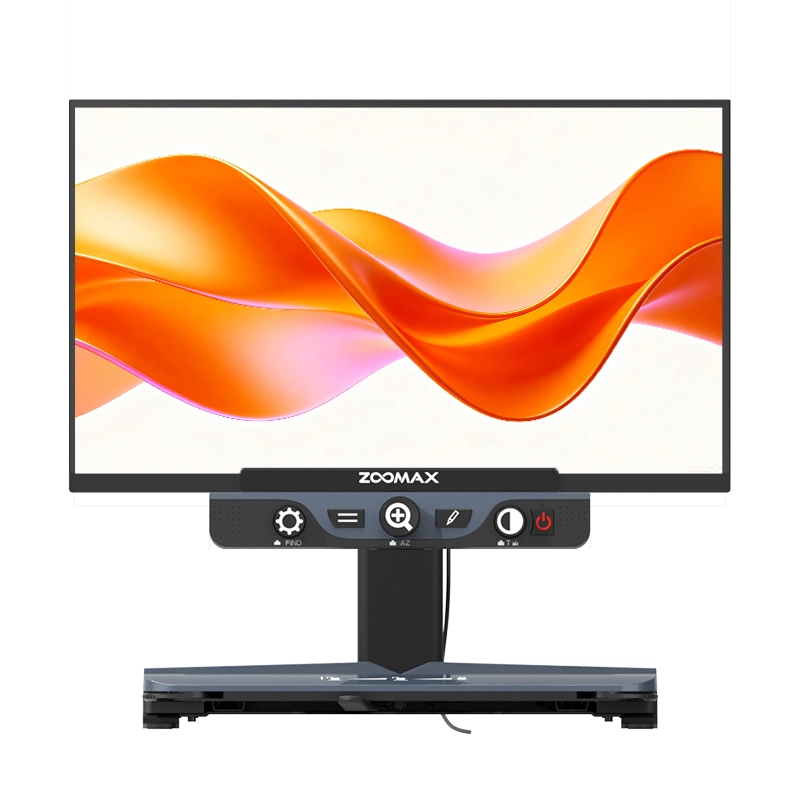
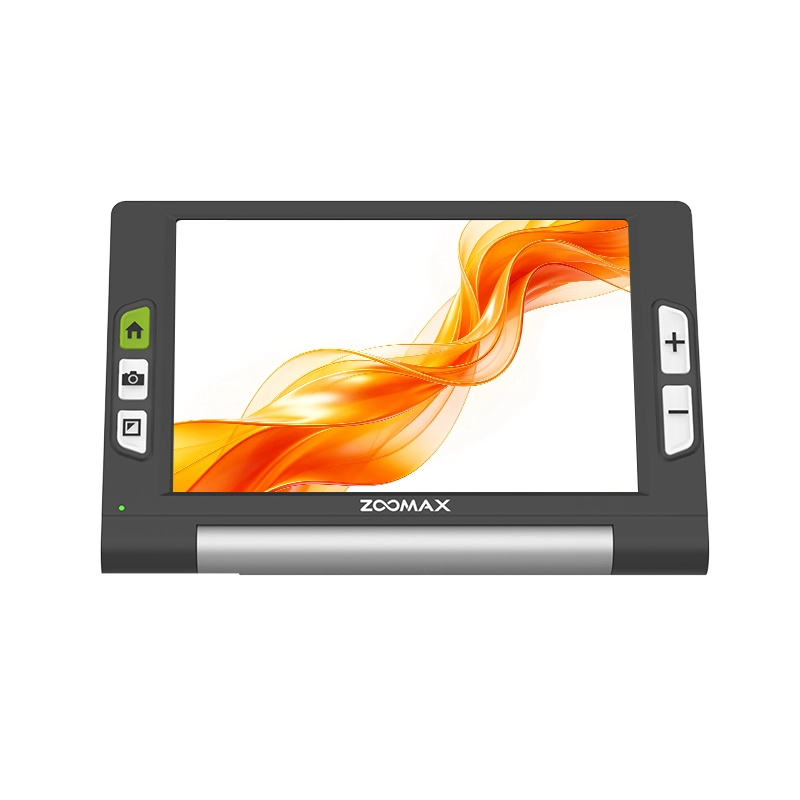
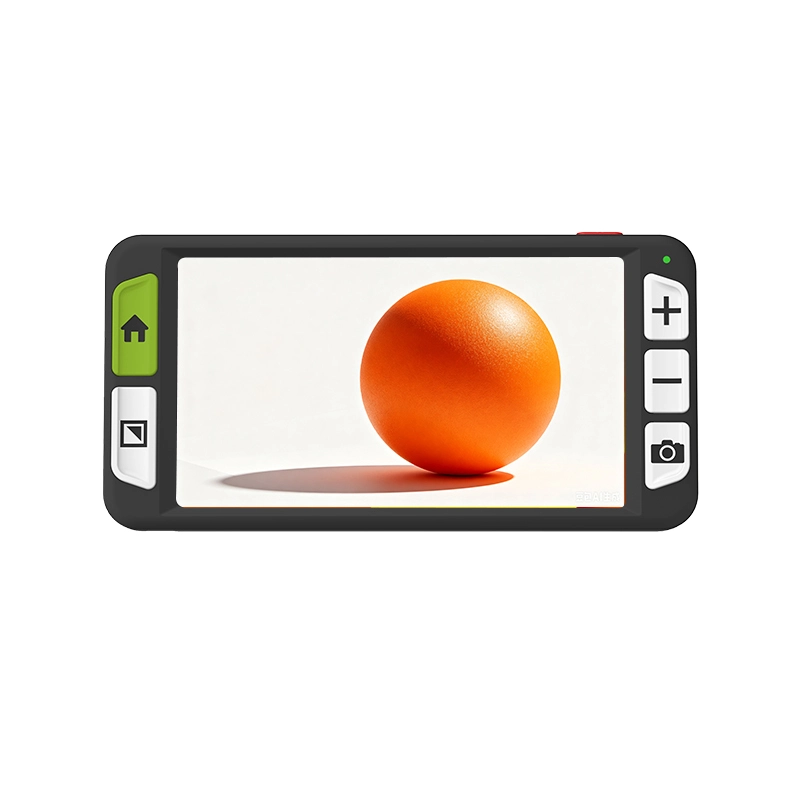
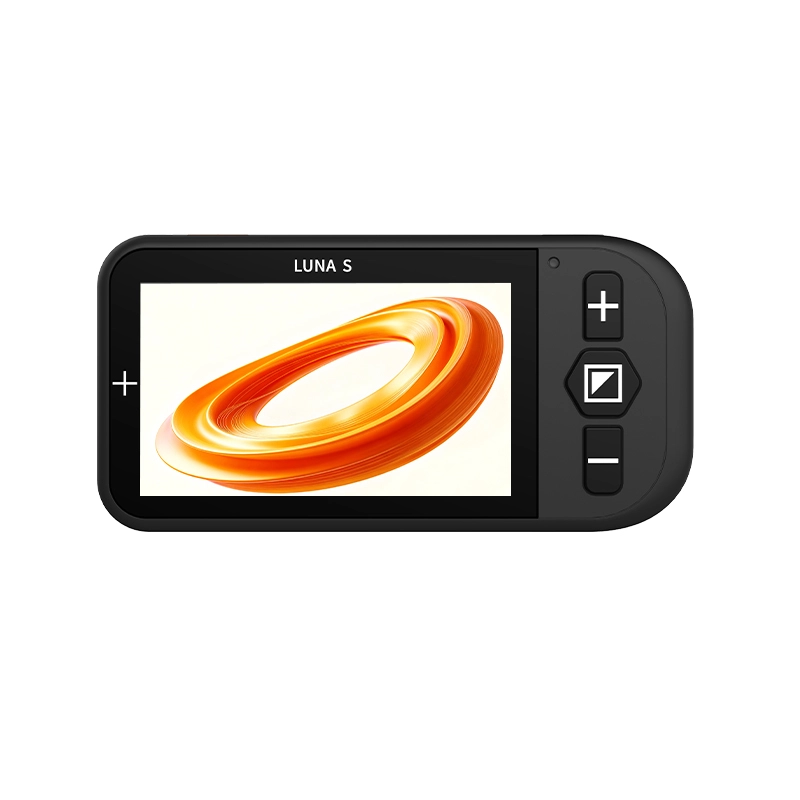
The good news is that you can protect your eyes and still read what you need outdoors—the trick is simply not to read in direct sunlight. A handheld digital magnifier, used the right way, can actually help you get the information you want while keeping your eyes safely out of harsh glare.
Gentle Ways to Read and Protect Your Eyes in the Summer Sun When You Have Low Vision
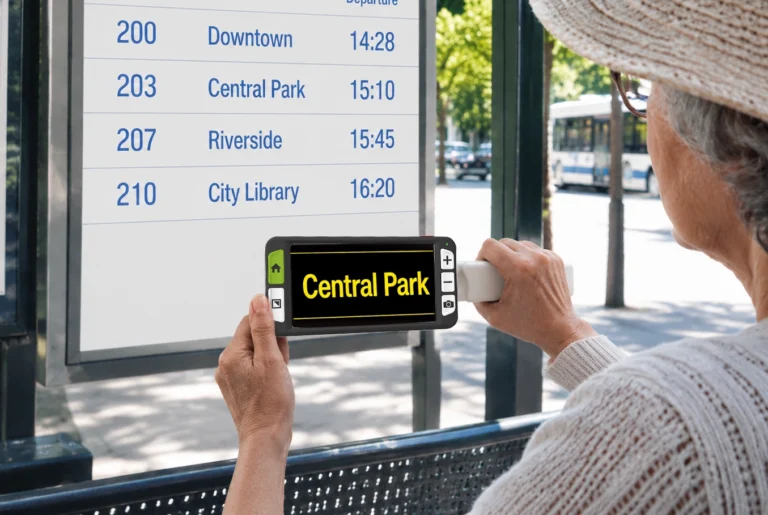
Let’s be honest: for anyone with low vision, trying to read a screen under the blazing summer sun is a losing battle. The glare washes out colors and contrast, your eyes quickly become strained, and the display itself turns almost impossible to read. The single best thing you can do outdoors is to avoid reading in direct sunlight entirely. Even if you need to read something, you can do it indirectly through the following smart approach.
Here’s a routine that actually works:
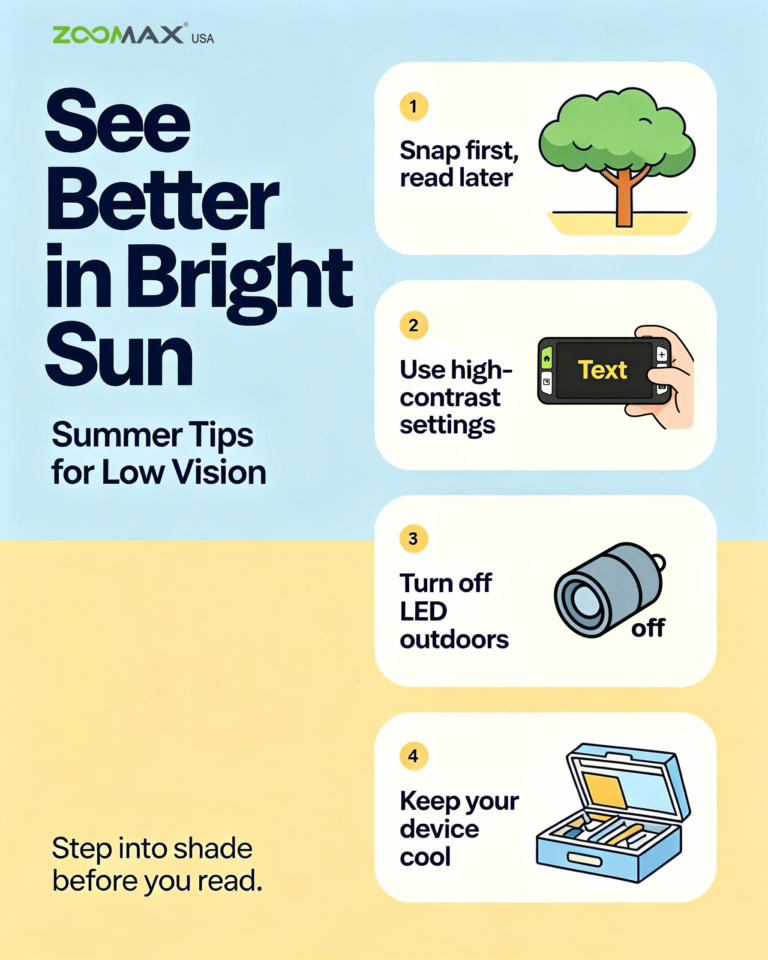
- Capture first, read later.Spotted a menu at a sunny sidewalk café? Need to check a label at a farmers market? Use your digital magnifier to snap a quick photo—just try not to point the camera directly toward the sun or strong reflective surfaces, which can wash out the image. Then put the device down and step into the shade, back into the car, or simply wait until you’re indoors. Review the image at your leisure, where the light is soft and the screen looks crisp.
- Switch to high-contrast mode when you review.Settings like white or yellow text on a black background can make the captured image much easier to decode, cutting down the visual effort even further. Yellow-on-black, in particular, often feels gentler on the eyes in bright environments. This is one of those uv eye protection tips that doubles as a comfort tip for anyone managing low vision.
- Turn off the built-in LED light.Outdoors, your magnifier’s illumination isn’t helping—it just adds extra reflections and washes out the screen. Switch it off to reduce glare and save battery. Let natural, indirect light do the work instead.
- Keep your device out of direct sun and heat.A portable electronic magnifier left on a sunny table or inside a hot car can overheat, which affects screen visibility and performance. Tuck it into a bag or glove compartment when not in use, so it’s ready and clear when you truly need it.
By shifting the way you use your assistive technologies for visually impaired, you’re not just protecting your eyes from UV strain—you’re making outdoor reading feel possible again, on your own terms.
Make UV Safety Part of Your Summer Routine
Protecting your eyes doesn’t have to be a solo mission, and it doesn’t have to feel medical. Make it a family rhythm: everyone grabs their sunglasses before heading out, the UV index gets a quick glance alongside the weather, and a hat becomes as natural as grabbing the car keys. When someone in the family uses a low vision aid, let it be just another tool on the picnic table—like the cooler or the sunscreen—that helps everyone feel included and at ease.
This summer, let the focus be on presence, not perfection. Whether you’re traveling, hosting a backyard get-together, or simply enjoying the quiet of a bright afternoon, small protective steps and the right visual support can keep your eyes comfortable and your spirit in the middle of the action.
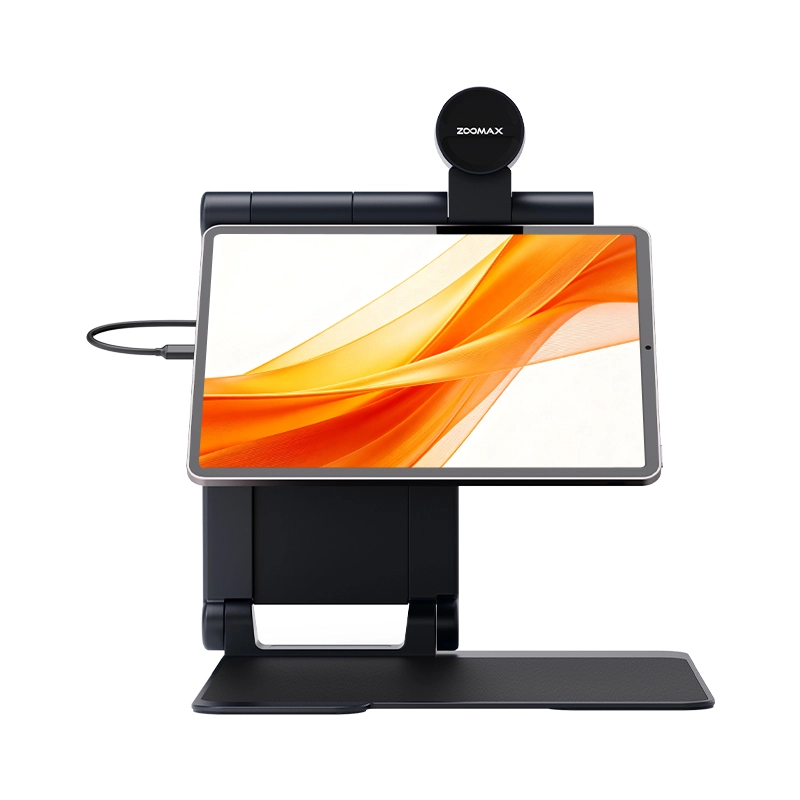
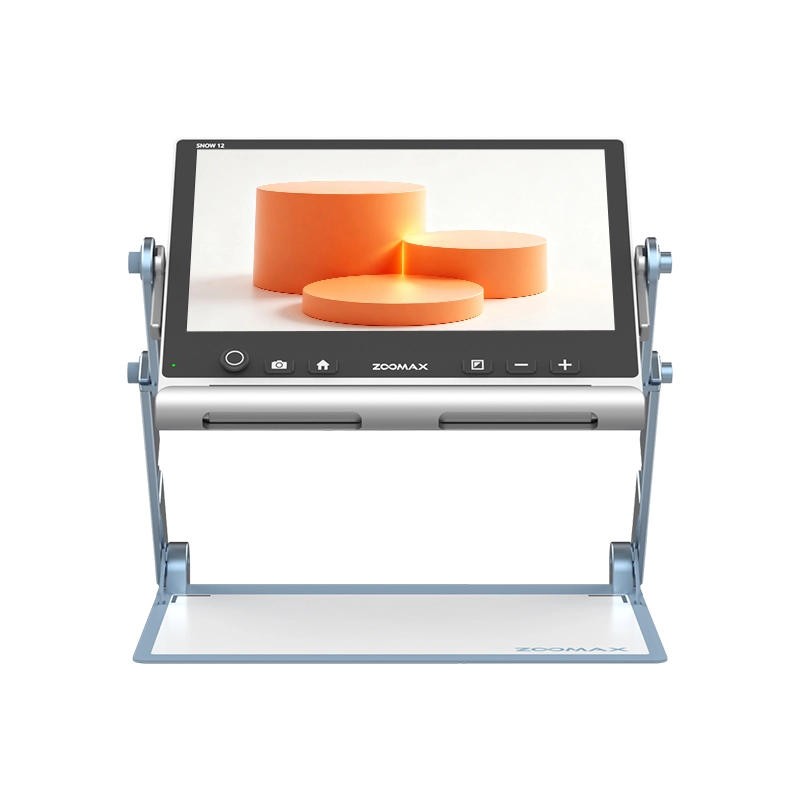
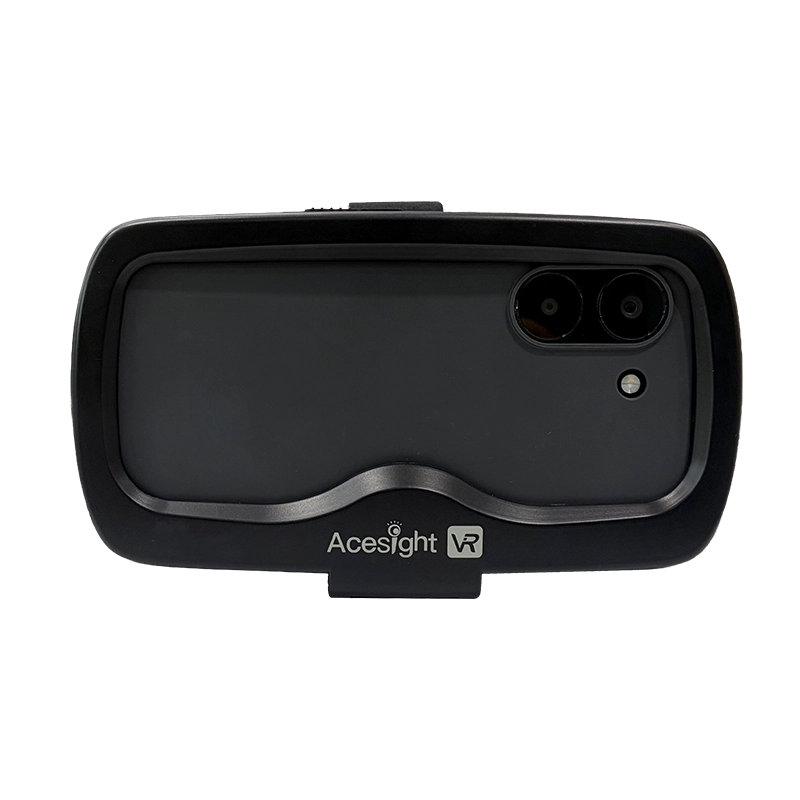
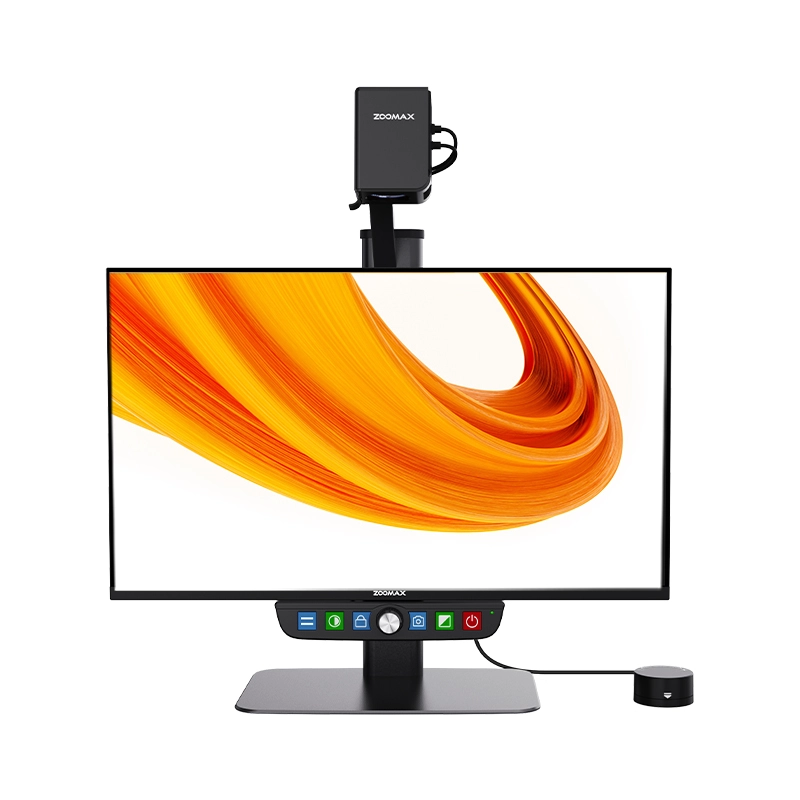
If you’re curious about finding a device that matches how you actually live—something portable, simple, and kind to your eyes—take a look at Zoomax USA low vision aid store. You’ll find solutions for low vision that designed to move with you, not tether you indoors. Step into the sunshine with a little more confidence and a lot more clarity. You deserve both.
Medical Disclaimer
The health, vision, and protective information contained in this article is provided for educational and informational purposes only and does not constitute professional medical advice, diagnosis, or treatment. Vision health needs vary greatly by individual. If you are experiencing sudden vision changes, chronic eye discomfort, or are recovering from recent eye surgery, please consult a qualified ophthalmologist or optometrist. Always speak with your primary care physician or eye specialist before introducing new dietary supplements or adjusting your prescribed eye care routines.
Frequently Asked Questions
Why are my eyes still at risk from UV light on cloudy days or inside a car?
It is a common misconception that clouds or windows offer a safe shield. Up to 80% of UV rays can pass straight through cloud cover, meaning your eyes face silent exposure even on gray days. Additionally, while standard car windshields are treated to block UV, side windows and home window glass generally only stop UVB rays. Highly penetrating UVA rays pass right through glass, reaching your eyes on long road trips or while sitting by a sunny indoor window.
Does a darker lens tint mean my sunglasses offer better UV protection?
Not at all. The darkness of a lens only dictates how much visible light it blocks (glare reduction), not how much ultraviolet radiation it filters. In fact, wearing dark lenses without proper UV protection is highly dangerous. The dark tint causes your pupils to dilate, allowing even more harmful UV light to flood directly into your eyes. Always ensure your eyewear is certified as UV400 or 100% UVA/UVB protection.
Why does summer sunlight make it significantly harder to see for individuals living with low vision?
For people managing conditions like macular degeneration or diabetic retinopathy, intense direct sunlight and environmental reflections (from water, sand, or light-colored pavement) cause severe glare. This glare effectively "washes out" visual contrast. Because contrast is what allows the eye to distinguish shapes, read text, and recognize facial expressions, its loss makes outdoor environments feel overwhelming and visually exhausting.
What are the best settings to use on a portable electronic magnifier when traveling outdoors?
To get the best out of your device outdoors, remember to first turn off the built-in LED light; natural ambient light is sufficient, and turning off the LED prevents extra screen glare while saving battery. Next, switch your device to a high-contrast viewing mode—yellow text on a black background is highly recommended as it is incredibly gentle on light-sensitive eyes. Finally, if your device supports OCR (text-to-speech), let it read aloud to give your eyes a complete rest from looking at a screen.