










Glaucoma vs Cataracts: Symptoms, Causes, Treatment, and Low Vision Support Explained

Introduction: Understanding the Difference Between Glaucoma and Cataracts
For many older adults, changes in vision can be frustrating and confusing. Reading a favorite book may take more effort, nighttime driving may feel uncomfortable, or everyday tasks like checking medication labels may become more challenging.
When these changes happen, it can be hard to tell whether they are a normal part of aging or a sign of an eye condition like glaucoma or cataracts.
In the United States, cataracts are one of the leading causes of vision loss among older adults, while glaucoma is one of the leading causes of irreversible blindness. Both are common age-related eye conditions, but they affect vision in very different ways.
Understanding the difference between these two conditions can help patients and caregivers recognize symptoms, understand treatment options, and find the right support for daily life.
It is also important to remember that managing vision changes is not only about medical treatment. For many people living with low vision, maintaining independence means finding practical ways to make everyday activities easier and more comfortable.
What Is Glaucoma?
Glaucoma is an eye disease that damages the optic nerve, which sends visual information from the eye to the brain. Over time, this damage can lead to permanent vision loss.
One of the biggest challenges with glaucoma is that it can develop slowly without obvious warning signs. According to the National Eye Institute, about half of people with glaucoma in the United States may not know they have the disease because early stages often have few noticeable symptoms. That is why glaucoma is sometimes called a “silent” vision condition.
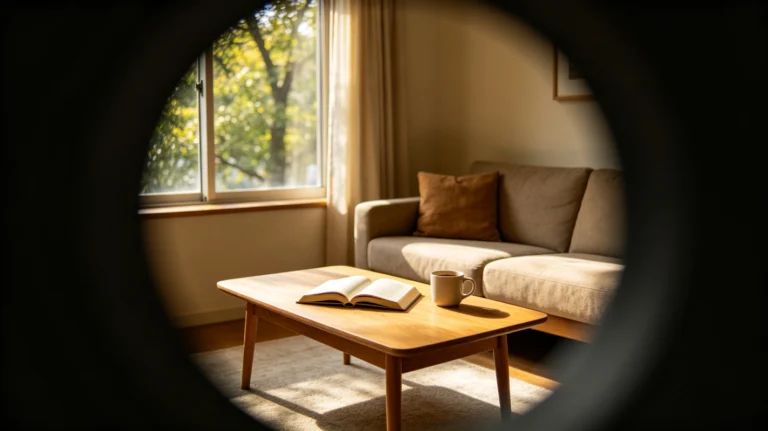
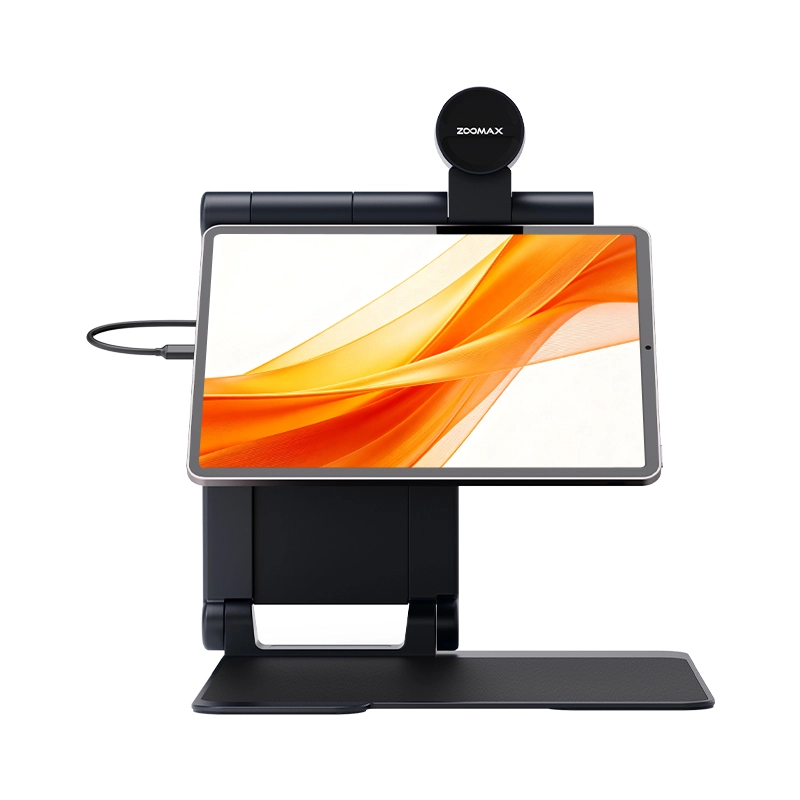
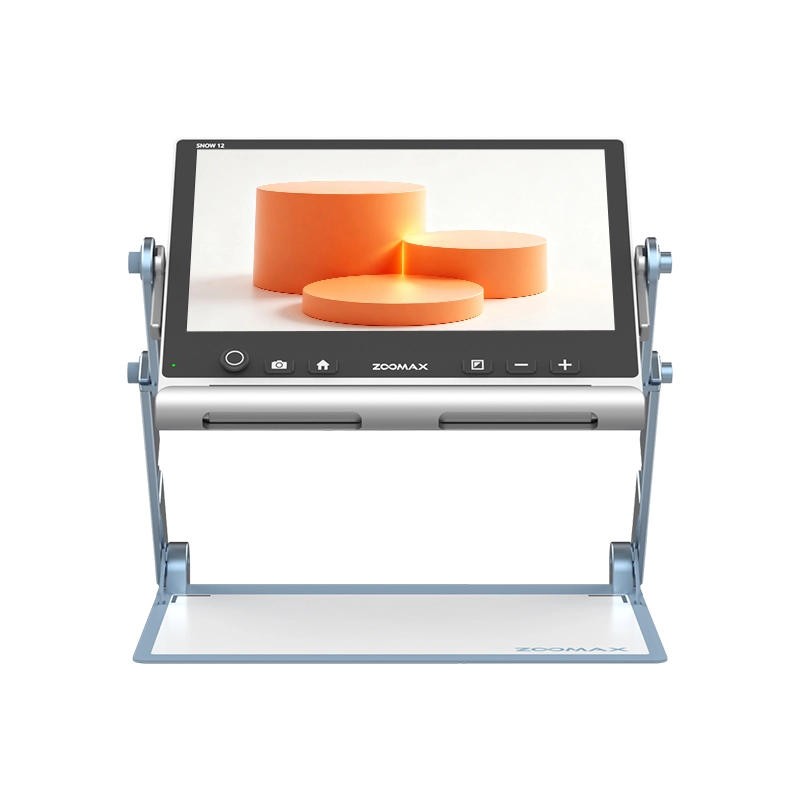
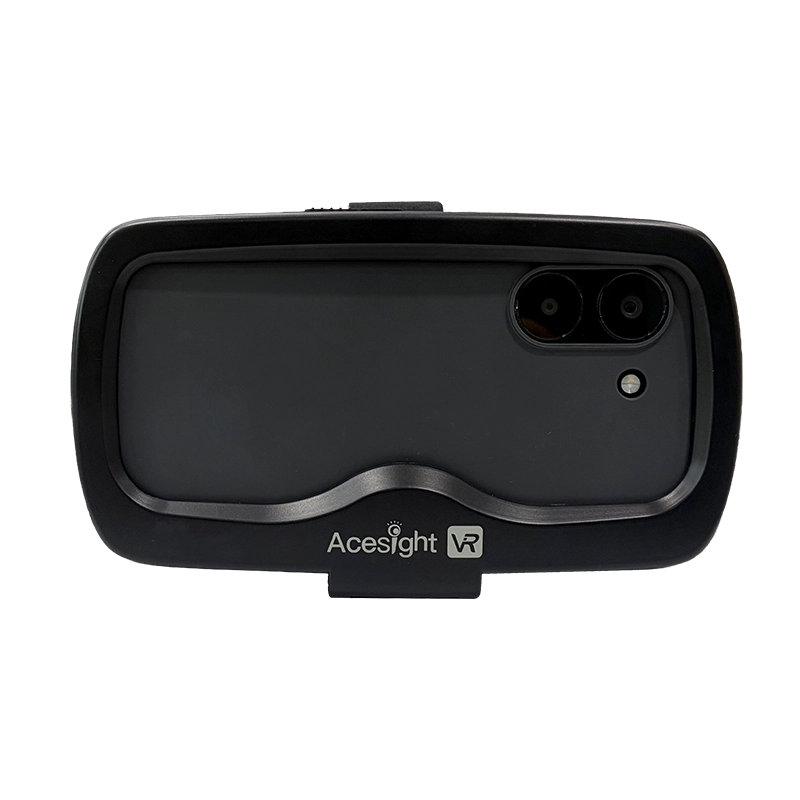
Glaucoma often affects peripheral vision (side vision) first. A person may still see clearly straight ahead but have difficulty noticing objects around them, navigating unfamiliar spaces, or moving safely through crowded environments. For those living with this kind of vision loss, using digital magnifiers to enlarge details within their central vision can be a practical way to stay active and independent, alongside ongoing medical care.
What Are Cataracts?
While glaucoma affects the optic nerve, cataracts affect the clarity of the eye’s natural lens.
A cataract occurs when the lens becomes cloudy, making images appear blurry or less clear. Cataracts are common among older adults and are one of the leading causes of vision loss worldwide. More than half of Americans either have a cataract or have undergone cataract surgery by age 80.

Common cataract symptoms include:
- Blurry or cloudy vision
- Increased sensitivity to glare
- Colors appearing less bright
- Difficulty seeing at night
- More challenges with reading or detailed tasks
For example, someone with cataracts may notice that headlights create more glare while driving at night, or that family photos no longer look as sharp and colorful as they used to.
Unlike glaucoma, cataracts can often be improved through cataract surgery, which removes the cloudy lens and replaces it with an artificial lens. In the meantime, or if some blur and difficulty with detail remain due to other eye conditions, electronic magnification can provide support for performing daily tasks.
Glaucoma vs Cataracts: What’s the Difference?
Because both conditions become more common with age, many people search for glaucoma vs cataracts when trying to understand their vision changes.
Although they may cause similar concerns—such as difficulty seeing clearly—the underlying problems are different.
Glaucoma | Cataracts | |
Affected part of the eye | Optic nerve | Natural lens |
Main vision issue | Loss of visual field, often starting with peripheral vision | Blurry, cloudy vision and increased glare |
How it develops | Often gradual, sometimes without noticeable symptoms | Gradual clouding of the lens |
Common treatment approach | Eye drops, laser treatment, surgery, and ongoing monitoring | Cataract surgery |
Can lost vision be restored? | Existing optic nerve damage is usually permanent | Vision often improves after surgery |
The key glaucoma vs cataract difference is simple:
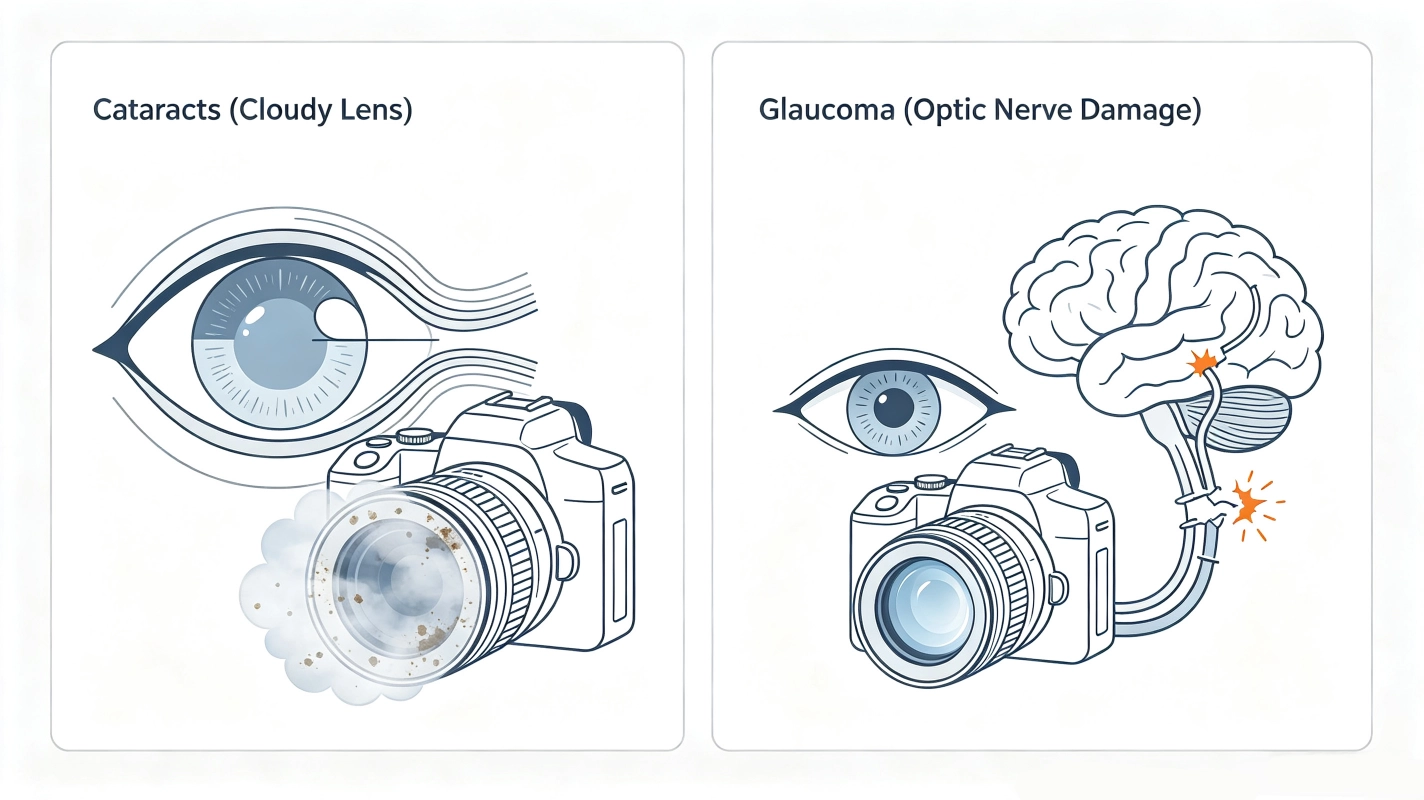
Think of your eye like a camera. Cataracts are like having a cloudy camera lens—the camera can still capture images, but everything looks blurry, faded, or less clear because light cannot pass through the lens properly. Glaucoma, on the other hand, is more like damage to the camera’s connection system. The lens may look clear, but the pathway that sends images to the brain is damaged, which can gradually affect what you are able to see.
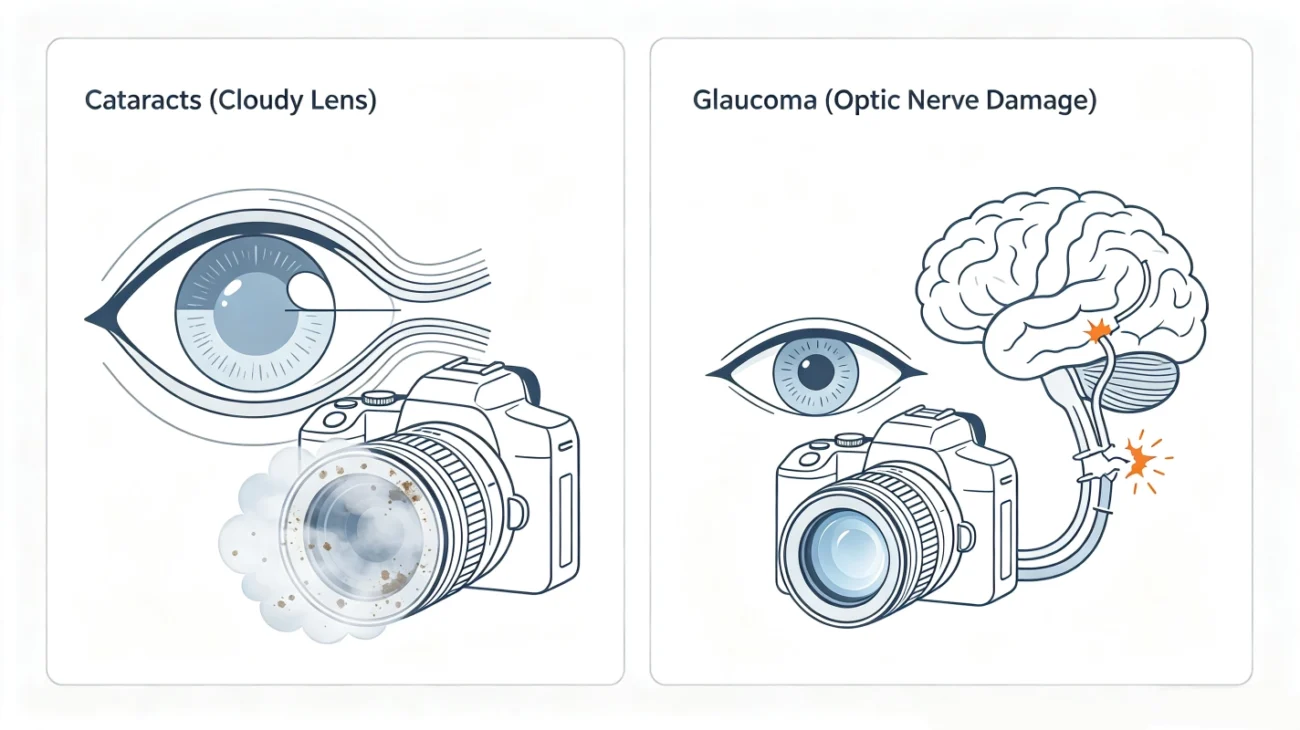
This is why two people may both say, “My vision is getting worse,” but experience very different problems. One person may need help with blurry vision and glare caused by cataracts, while another may struggle with missing areas of vision caused by glaucoma. Understanding this difference can help patients and caregivers find the right care and support for their individual needs.
Can You Have Glaucoma and Cataracts at the Same Time?
Yes. Many older adults manage both glaucoma and cataracts at the same time.
Since the two conditions affect different parts of the eye, they can create combined challenges. A person may experience cloudy vision from cataracts while also dealing with reduced peripheral vision caused by glaucoma.
For example:
- Cataracts may make a newspaper page look hazy.
- Glaucoma may make it harder to notice objects outside the center of vision.
- Together, they may make activities like shopping, cooking, reading, and moving around the home more difficult.
Some people notice clearer vision after cataract surgery but still experience challenges in daily life because glaucoma-related vision loss may remain.
For patients managing both conditions, this often raises another important question:
Which condition has a greater impact on long-term vision—glaucoma or cataracts?
Which Is More Serious: Glaucoma or Cataracts?
When comparing glaucoma vs cataracts, many people wonder which condition has a greater impact on vision.
The answer is not simply that one condition is “worse” than the other. Both can affect independence and quality of life, but they create vision problems in very different ways.
Cataracts often cause cloudy or blurry vision because the eye’s natural lens becomes less clear. The good news is that cataract-related vision changes can often be improved with surgery.
Glaucoma, however, affects the optic nerve—the pathway that sends visual information from the eye to the brain. Once optic nerve damage occurs, it cannot usually be reversed. Treatment focuses on slowing or managing the disease to help protect remaining vision.
This difference is one of the biggest reasons glaucoma is often considered more serious for long-term vision health.
However, many older adults do not have just one condition. It is possible to have both cataracts and glaucoma at the same time. In these situations, patients often ask an important question:
If cataract surgery can improve cloudy vision, can it also help manage glaucoma?
Does Cataract Surgery Help Glaucoma?
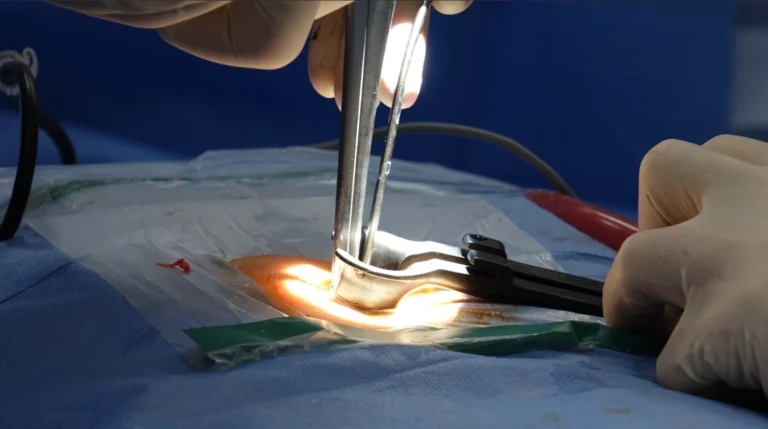
Many people searching for cataract surgery vs glaucoma wonder whether treating cataracts can also solve glaucoma-related vision problems.
The short answer is:
Cataract surgery can improve vision affected by cataracts, but it does not cure glaucoma or reverse existing optic nerve damage.
After cataract surgery, some patients may experience changes in eye pressure, but people with glaucoma usually still need continued management, such as:
- Prescription eye drops
- Regular eye pressure monitoring
- Additional treatments recommended by their eye doctor
Newer approaches, including minimally invasive glaucoma surgery (MIGS), have also become part of modern glaucoma treatment options for some patients. The right treatment depends on each person’s eye health and glaucoma severity.
The important thing to understand is that:
Treating cataracts and managing glaucoma are two different parts of protecting your vision.
Low Vision Challenges After Glaucoma or Cataract Treatment
Medical treatment can address many vision problems, but it does not always mean every daily activity becomes easy again.
This is especially true for older adults who experience vision changes from cataracts, glaucoma, or both conditions together. The type of challenges a person faces often depends on which part of the eye has been affected and how much vision has already changed.
After Cataract Surgery: Clearer Vision Does Not Always Mean Perfect Vision
For many people, cataract surgery can significantly improve cloudy or blurry vision by replacing the eye’s cloudy natural lens with an artificial lens.
However, some patients may still experience difficulties after surgery, especially if other eye conditions are present. For example, they may continue to have challenges with:
- Glare sensitivity, especially in bright environments
- Reduced contrast when reading or seeing details
- Difficulty with small print or fine tasks
- Adjusting to vision changes during daily activities
Living With Glaucoma: Managing Vision Loss Over Time
Unlike cataracts, glaucoma-related vision loss usually cannot be restored once the optic nerve has been damaged.
Even with treatment such as eye drops, laser procedures, or surgery to help slow disease progression, some people may continue to experience challenges caused by changes in their visual field.
For example, glaucoma patients may have difficulty with:
- Noticing objects outside their direct line of sight
- Navigating unfamiliar environments
- Seeing in low-light conditions
- Moving safely through crowded spaces
These challenges can affect independence and make everyday activities more demanding. This is why vision rehabilitation and low vision support can play an important role for people living with glaucoma.
When Cataracts and Glaucoma Occur Together
Many older adults manage both cataracts and glaucoma at the same time.
In these cases, treatment may improve some aspects of vision, but other challenges may remain. For example:
- Cataract surgery may make images clearer by improving lens cloudiness.
- Glaucoma-related vision loss may continue because optic nerve damage cannot be reversed.
Imagine trying to pour a morning cup of coffee. Cataracts might make the coffee pot and cup look hazy and faded, while glaucoma could cause you to completely miss the spoon you just placed beside the cup. This combination of blurred detail and missing side vision can turn even simple daily routines into confusing, frustrating experiences.
As a result, some patients may still need additional support to complete everyday tasks such as reading, organizing documents, shopping, or enjoying hobbies.
This is where functional vision support becomes important—not as a replacement for medical treatment, but as a way to help people make better use of the vision they still have.
How Electronic Low Vision Aids Can Support Long-Term Vision Rehabilitation
For people living with ongoing vision challenges, electronic low vision aids can provide practical support for everyday activities.
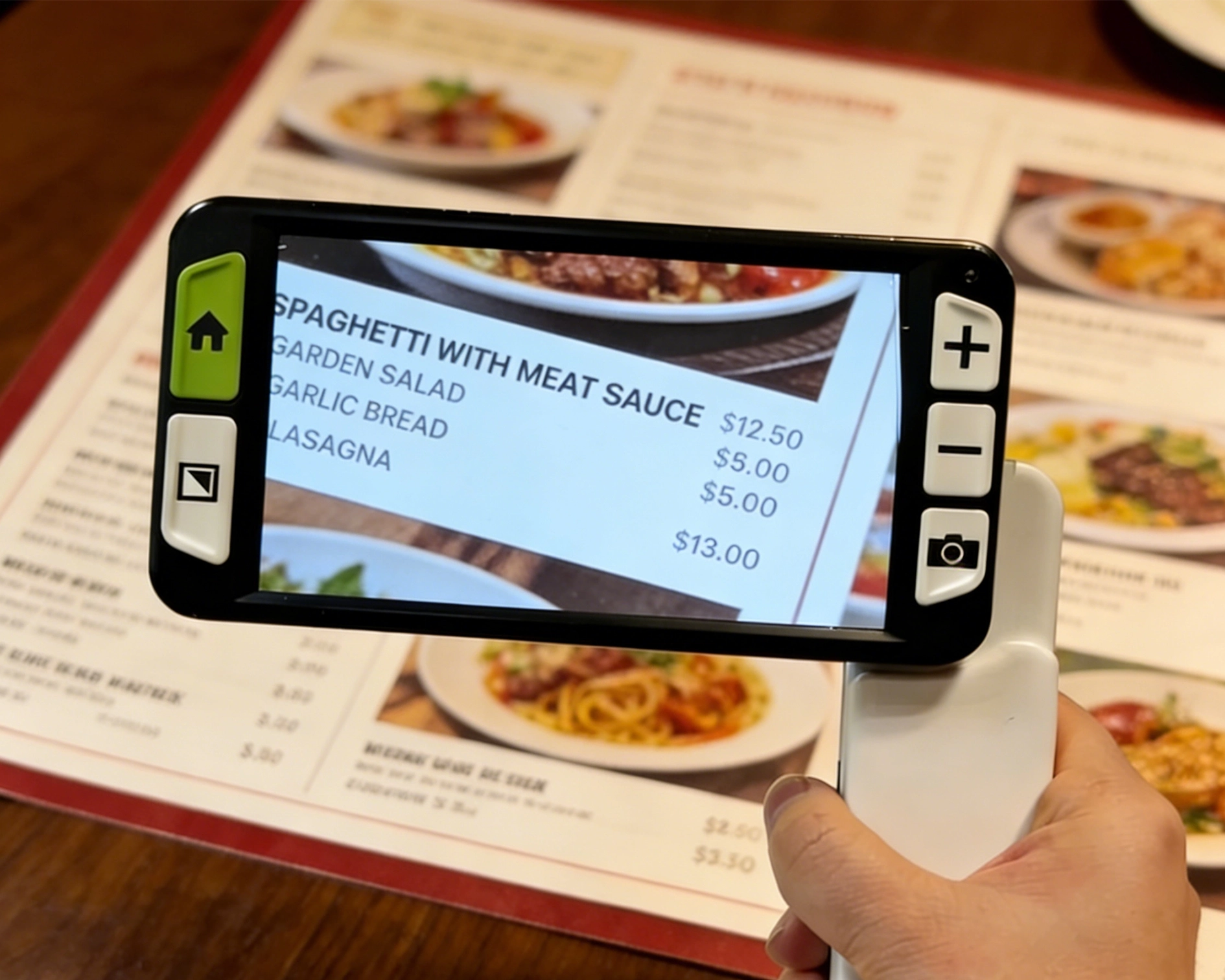
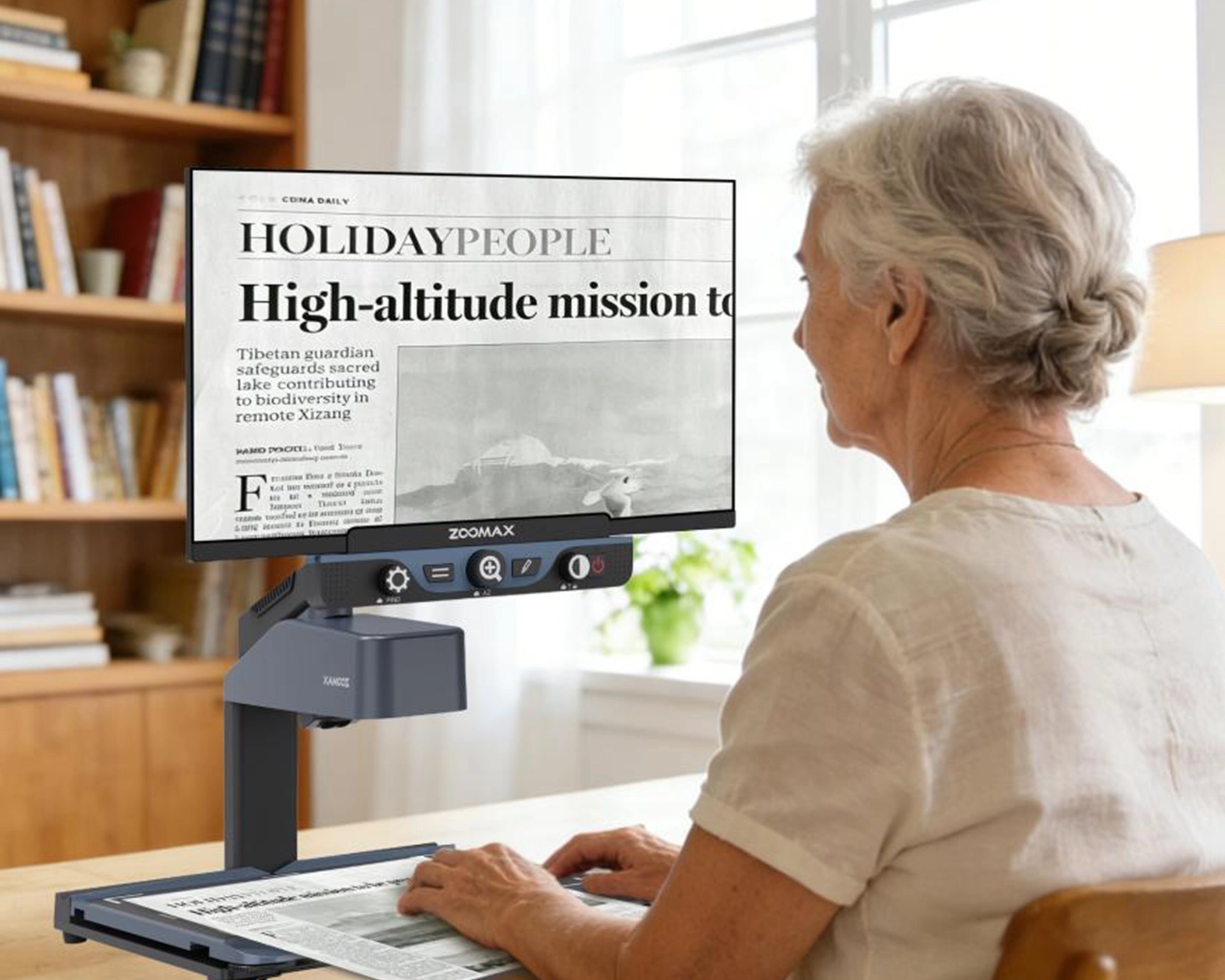
These devices do not treat glaucoma or cataracts. Instead, they help users magnify images, improve visibility, and make important details easier to see.
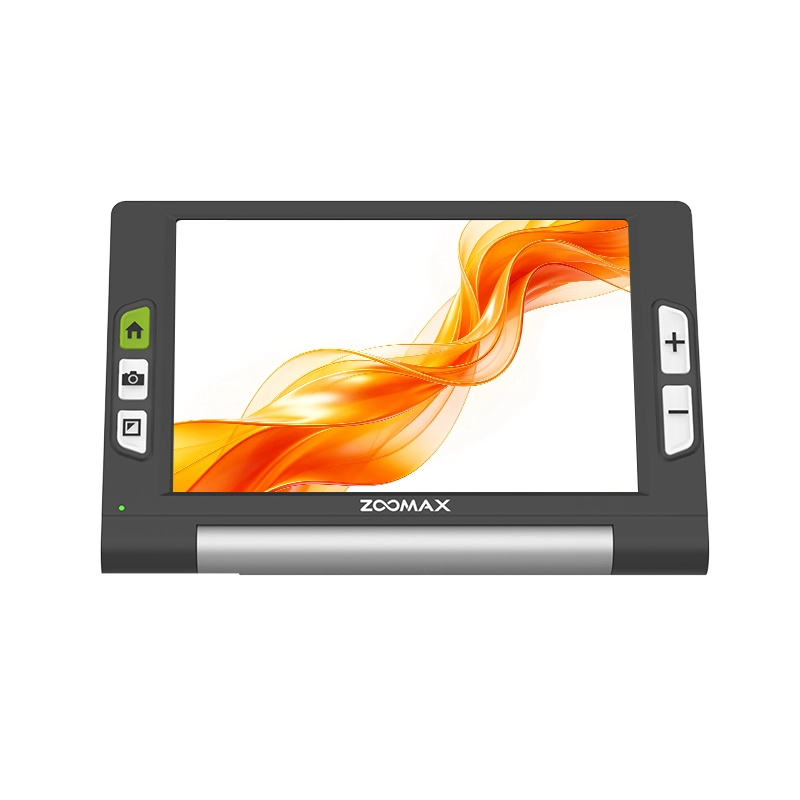
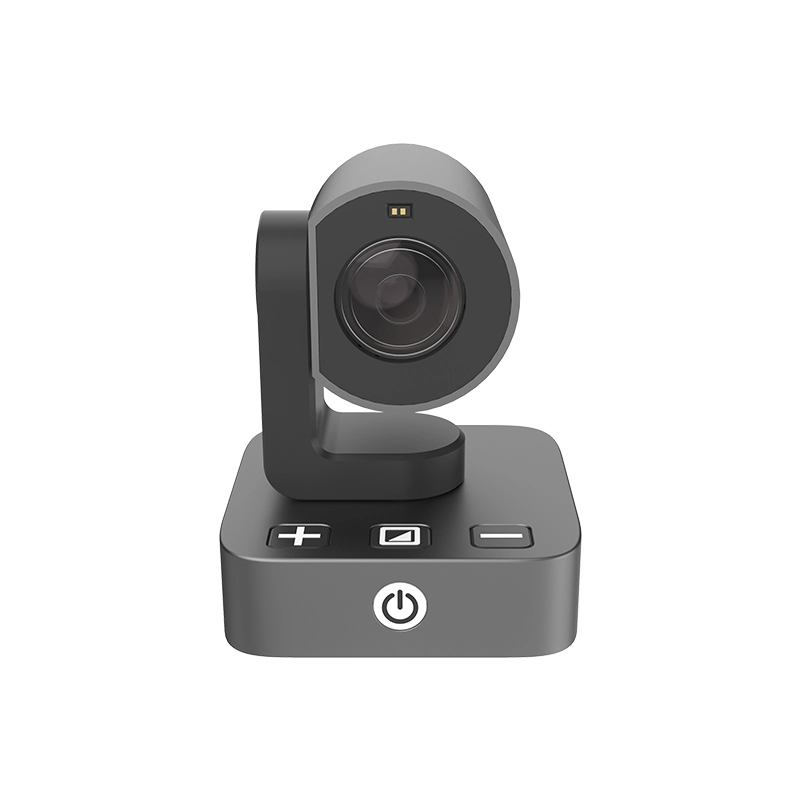
The right solution depends on each person’s vision needs, lifestyle, daily routines, and the level of vision support they require. The severity of vision loss and the type of activities a person wants to complete can also influence whether a portable handheld magnifier or a larger desktop magnifier is a better fit.
Zoomax USA recommends:
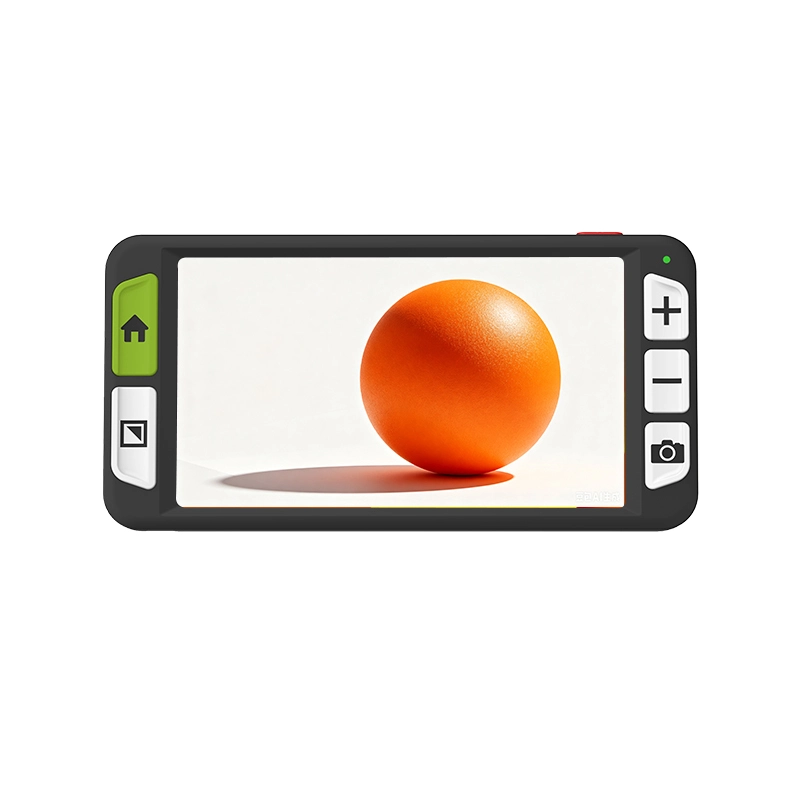
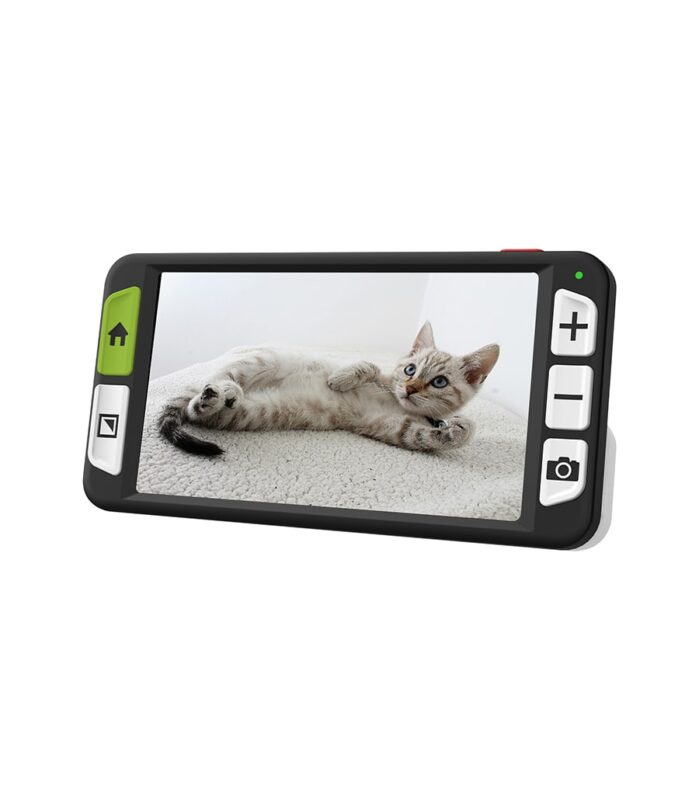
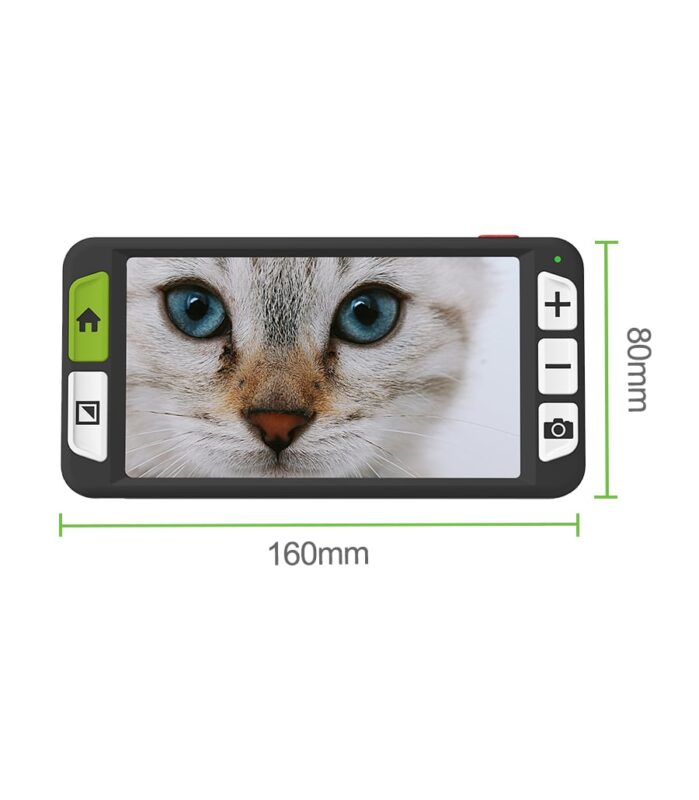
- People who need support while shopping, traveling, or reading menus may benefit from a handheld video magnifier such as Zoomax Luna 6. Its portable design makes it easier to access magnification support whenever and wherever it is needed.
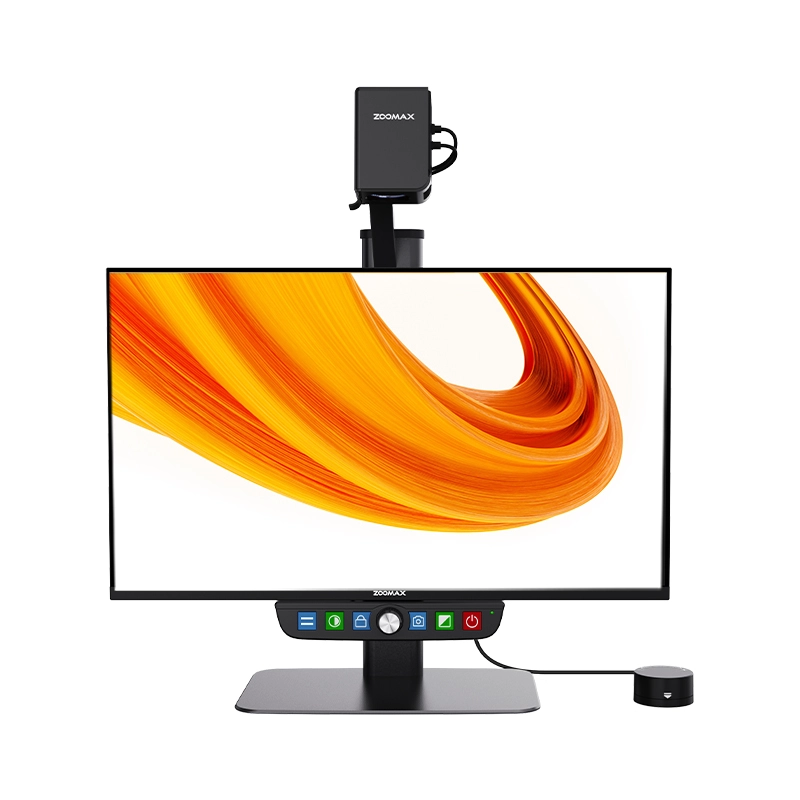
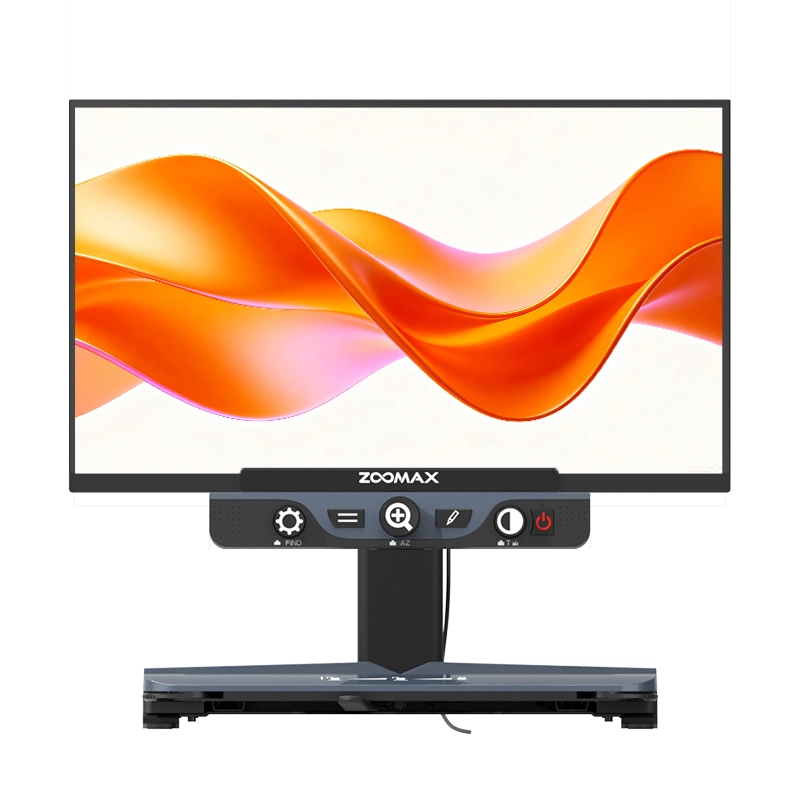
- People who spend more time reading documents, recipes, books, or completing detailed tasks at home may prefer a large screen digital desktop magnifier such as Zoomax Luna HD 24 Pro. A larger display can provide a more comfortable viewing experience for extended reading and close-up activities.
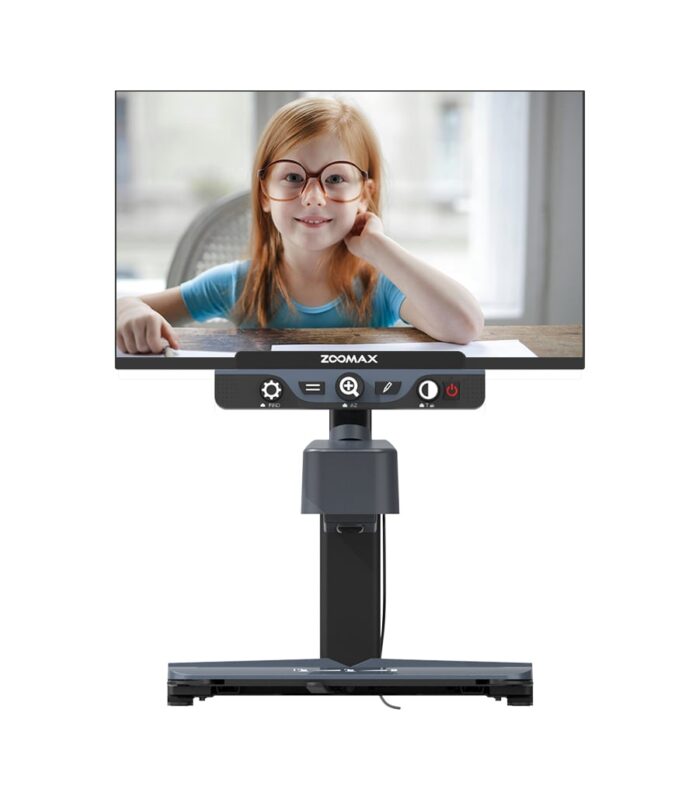
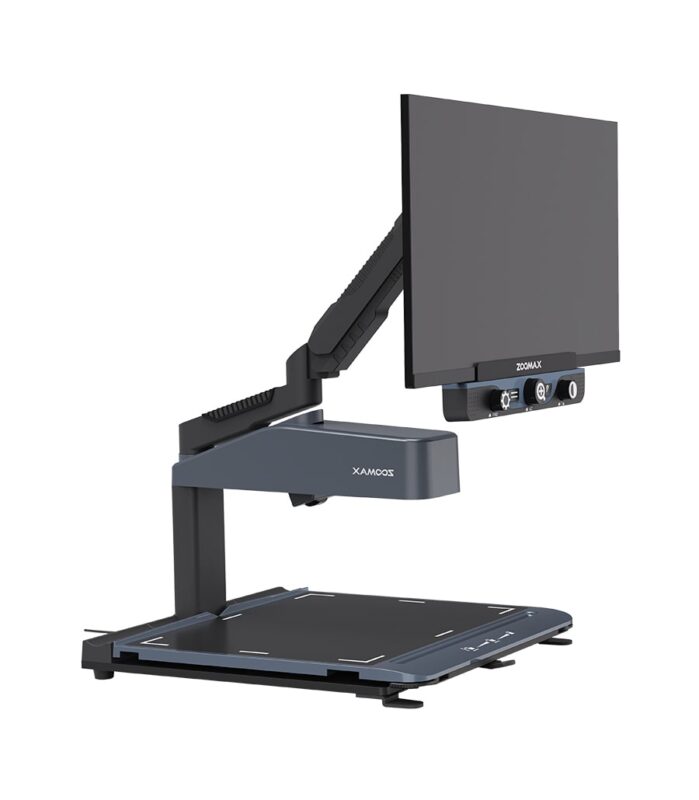
Choosing the right low vision aid is not about finding one device for everyone. It is about finding the support that matches your personal needs and helps you stay connected to the activities you enjoy.
For individuals looking for low vision aids for glaucoma or cataracts, electronic magnification technology can be an important part of a broader vision rehabilitation plan.
Understanding Your Vision Is the First Step
If you or someone you care about has noticed changes in vision, it’s completely natural to feel uncertain or even anxious. Please know that you are not alone—and understanding what’s happening is already a courageous first step.
While glaucoma and cataracts affect vision differently, both deserve attention and care—and neither has to mean giving up the life you love.
If you’ve been experiencing increasing blur, more glare, trouble seeing at night, or changes in your side vision, reaching out to an eye care professional is an act of self-compassion. Regular, comprehensive eye exams can catch conditions early and help you feel more in control, not less.
Above all, please remember: vision changes don’t have to take away the activities that bring you joy and connection. With the right medical care, thoughtful vision rehabilitation, and gentle support tools that fit your daily life, many people continue to read treasured books, stay close to family, pursue beloved hobbies, and live independently. Your story is still unfolding—and with the right help, you can keep seeing the moments that mean the most.
If you’re ready to explore how technology can help you regain independence in daily life, we invite you to visit Zoomax USA online low vision aid store or contact us to schedule a free trial, and take the next step toward seeing more of what matters.
Medical Disclaimer
This article is intended for informational and educational purposes only and is not a substitute for professional medical advice, diagnosis, or treatment.
If you experience changes in your vision or have concerns about glaucoma, cataracts, or other eye conditions, please consult a qualified eye care professional.
Low vision aids and electronic magnification devices are designed to support daily activities and maximize the use of remaining vision. They do not treat, cure, or reverse eye diseases or vision loss.
Frequently Asked Questions
Can you have glaucoma and cataracts at the same time?
Yes, many older adults manage both conditions. They affect different parts of the eye, so you may experience cloudy vision from cataracts and reduced side vision from glaucoma at the same time.
Does cataract surgery help glaucoma?
Cataract surgery can improve vision clouded by cataracts, but it does not cure glaucoma or repair optic nerve damage. Most people with glaucoma still need continued management, such as prescription eye drops and regular eye pressure checks, after cataract surgery.
Which is more serious: glaucoma or cataracts?
While both can affect independence, glaucoma is often considered more serious for long-term vision health because optic nerve damage is usually irreversible. Cataract-related vision loss, on the other hand, can often be greatly improved with surgery.
What kind of low vision aids can help after glaucoma or cataract treatment?
Electronic magnification devices, such as portable or desktop video magnifiers, can help make reading, recognizing faces, and completing daily tasks easier. These aids do not restore lost vision but help you make the most of the sight you still have.
References
- Centers for Disease Control and Prevention (CDC). About Eye Disorders and Vision Health.
https://www.cdc.gov/vision-health/about-eye-disorders/index.html - National Eye Institute (NEI).
https://www.nei.nih.gov/eye-health-information/eye-conditions-and-diseases/glaucoma - National Eye Institute (NEI).
https://www.nei.nih.gov/eye-health-information/eye-conditions-and-diseases/cataracts - American Academy of Ophthalmology (AAO). What Is Glaucoma?
https://www.aao.org/eye-health/diseases/what-is-glaucoma - National Eye Institute (NEI). Low Vision.
https://www.nei.nih.gov/eye-health-information/eye-conditions-and-diseases/low-vision